Orbital Rescue: LINK Spacecraft Deploys to Sustain NASA’s Swift Observatory
NASA confirms the deployment of the LINK spacecraft, a critical mission designed to re-boost the aging Swift Observatory and ensure the continued detection of cosmic gamma-ray bursts.
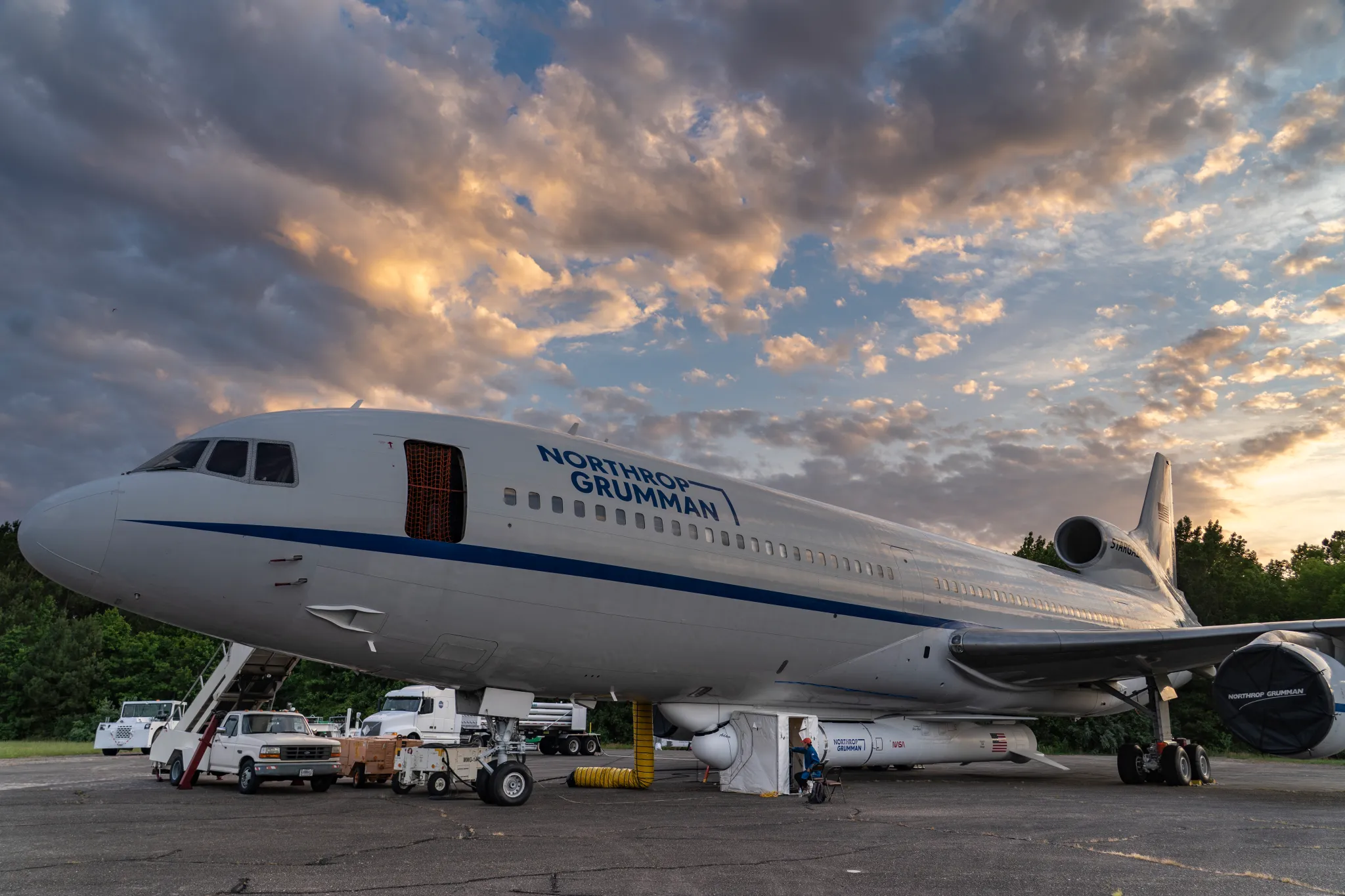
Mission Protocol: Orbital Maintenance
NASA has initiated operations for the LINK spacecraft, a dedicated logistics and propulsion vehicle tasked with the orbital sustainment of the Neil Gehrels Swift Observatory. Swift, a cornerstone of high-energy astrophysics, has spent two decades identifying gamma-ray bursts (GRBs)—the most violent electromagnetic events in the known universe.
Strategic Re-Boost
According to NASA Breaking News, the primary objective for LINK is to physically encounter and boost the observatory into a higher, more stable orbit. Atmospheric drag at Low Earth Orbit (LEO) naturally degrades a satellite's altitude over time. Without this intervention, Swift faced eventual atmospheric reentry. The LINK mission serves as a critical life-extension protocol, ensuring the observatory’s multi-wavelength instruments continue their surveillance of the transient sky.
Technical Backdrop
The Swift observatory is unique for its rapid-response capabilities, pivoting within seconds to detect X-ray, ultraviolet, and optical afterglows of GRBs. By integrating a commercial-led servicing approach, NASA aims to demonstrate that legacy assets can be preserved through precision maneuvering. This mission emphasizes a shift toward orbital sustainability and the mitigation of hardware loss due to orbital decay.
As Swift remains a vital data source for global astrophysical research, the successful docking and boost by LINK will secure the next decade of deep-space monitoring. Status updates will follow pending successful telemetry confirmation of the orbital adjustment.