Orbital Re-entry: The Thermodynamic Barrier
While launch sequences capture public imagination, the physics of returning to Earth remains the primary technical bottleneck for human spaceflight and cargo recovery.
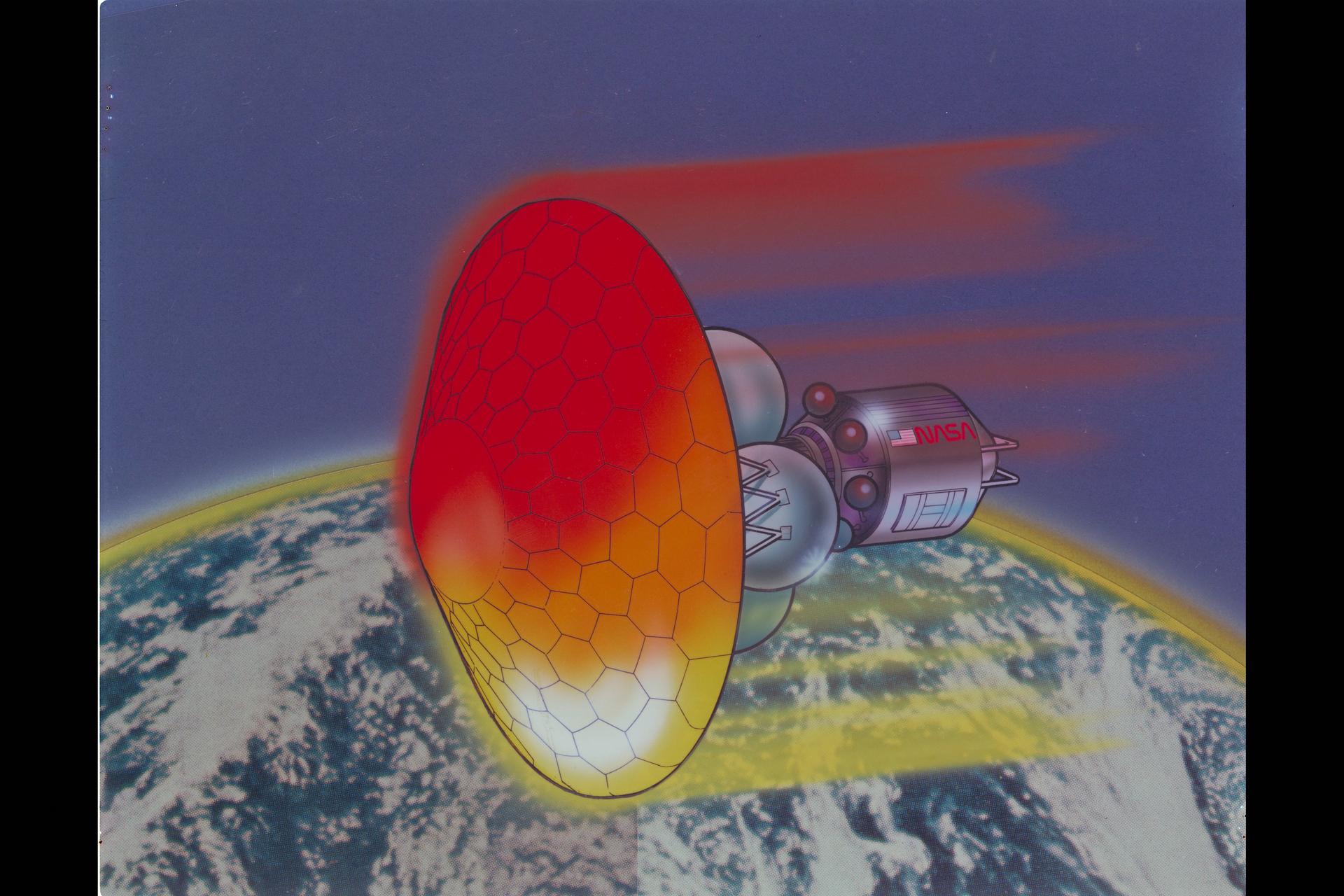
The Physics of Deceleration
In the hierarchy of orbital mechanics, the act of returning to Earth—re-entry—remains the most volatile phase of any mission. According to ESA YouTube, the difficulty lies not in the descent itself, but in the violent dissipation of kinetic energy. An object in Low Earth Orbit (LEO) travels at approximately 28,000 kilometers per hour. To land safely, that velocity must be reduced to near zero.
The Thermal Interface
When a spacecraft encounters the upper atmosphere, it does not simply glide. It strikes the air with such force that a massive shockwave forms in front of the vehicle. This compression creates a plasma field, generating temperatures that can exceed 2,000 degrees Celsius. Unlike the vacuum of space, where thermal management is a passive concern, re-entry requires active shielding. The heat is so intense it strips electrons from atoms, creating a communications blackout—a period where the spacecraft is effectively isolated from ground control.
Precision and Tolerance
Success depends on the 'entry interface' angle. If the trajectory is too shallow, the craft skips off the atmosphere like a stone on water, drifting into deep space. If it is too steep, the G-forces and thermal load exceed the structural integrity of the hull, leading to total vehicle loss. For European missions, mastering this sequence is the prerequisite for reusable launch systems and sample-return missions from Martian or lunar environments. While ignition gets us there, it is the friction that determines if we come home.