Orbital Power Grid: DIU Solicits Space-Based Energy Transmission
The Defense Innovation Unit has issued an urgent call for commercial power-beaming technology to establish an orbital energy utility for the Pentagon by 2030.
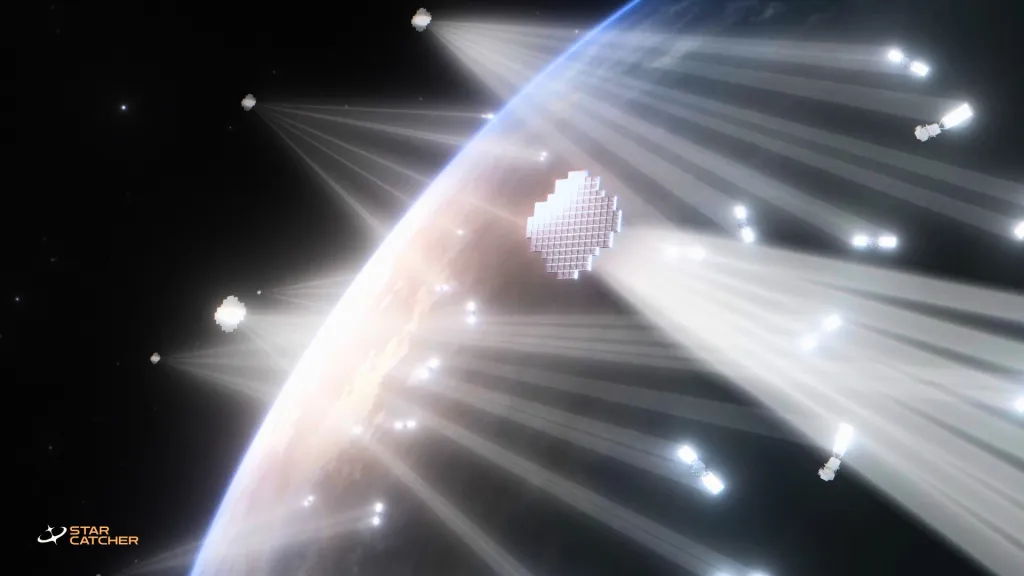
Terminal Access: Orbital Energy Distribution
The Defense Innovation Unit (DIU) is accelerating the transition of wireless power transmission from theoretical research to operational military infrastructure. According to SpaceNews, the Pentagon’s fast-track agency has issued a call for commercial proposals to beam electrical energy between spacecraft and from orbit to terrestrial receivers.
Strategic Objectives
The DIU seeks to establish a "multi-orbit utility" capable of servicing Low Earth Orbit (LEO), Medium Earth Orbit (MEO), and Geostationary Earth Orbit (GEO). By utilizing directed electromagnetic radiation, the military aims to eliminate the total reliance on onboard batteries and fixed solar arrays, allowing for more power-intensive payloads and extending the mission life of maneuverable assets. On the ground, this technology provides a critical alternative for powering autonomous systems and remote units where traditional fuel logistics are compromised.
Deployment Timeline
The solicitation, open to both U.S. and international firms until July 22, demands aggressive milestones:
- Laboratory Demonstration: Within 12 months of contract award.
- On-Orbit Prototype: Within 24 months, pending lab success.
- Operational Capability: Targeted for fiscal year 2030.
Procurement Framework
The DIU is utilizing its Commercial Solutions Opening (CSO) process, leveraging "Other Transaction" authority to bypass sluggish federal procurement cycles. This allows for rapid prototyping and Direct-to-Production paths. While the primary focus remains space-to-space and space-to-ground transmission, the agency is also seeking advanced receivers and miniaturized components to optimize hardware weight and efficiency. The Pentagon remains undecided on whether it will operate these satellites directly or purchase power as a commercial service-on-demand.