Orbital Olfaction: The Atmospheric Profile of the ISS
Astronaut reports confirm that the International Space Station possesses a distinct chemical signature, described as a metallic blend reminiscent of welding fumes and burnt steak.
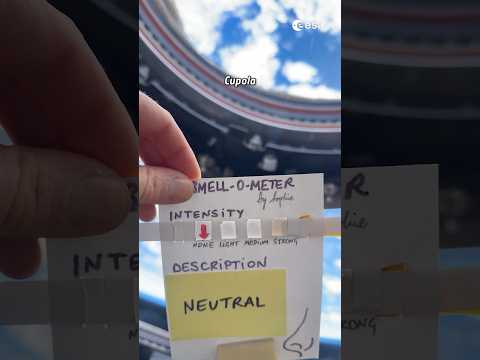
The Scent of Microgravity
Maintaining a closed-loop life support system 400 kilometers above Earth results in a unique environmental profile. While the International Space Station (ISS) utilizes advanced air filtration and scrubbing technologies to manage carbon dioxide and volatile organic compounds, the station retains a persistent, characteristic odor. According to reports shared via ESA YouTube, the interior of the orbital laboratory does not smell like a typical domestic or industrial environment.
Chemical Signatures
Astronauts frequently describe the aroma as a metallic, ozone-heavy scent. The most common comparisons involve the sharp, acrid smell produced during arc welding or the singed, savory aroma of a burnt steak. This sensory experience is not caused by debris or lack of hygiene, but rather by a combination of high-energy subatomic particles and the outgassing of station hardware.
The Vacuum Effect
When crew members open the hatch to the vacuum of space for an EVA (Extravehicular Activity) or when returning payloads are unsealed, this scent becomes more pronounced. Scientists theorize that the 'smell of space' is the result of atomic oxygen adhering to the surface of space suits and equipment. Upon repressurization, these atoms react with the station’s internal atmosphere, creating the metallic tang reported by crews. This persistent chemical footprint serves as a constant sensory reminder of the harsh, high-energy environment beyond the hull.