Orbital Night: ISS Captures Earth in High Contrast
New imagery from the International Space Station reveals the stark intersection of human urbanization and planetary boundaries, emphasizing the utility of LEO platforms for Earth observation.
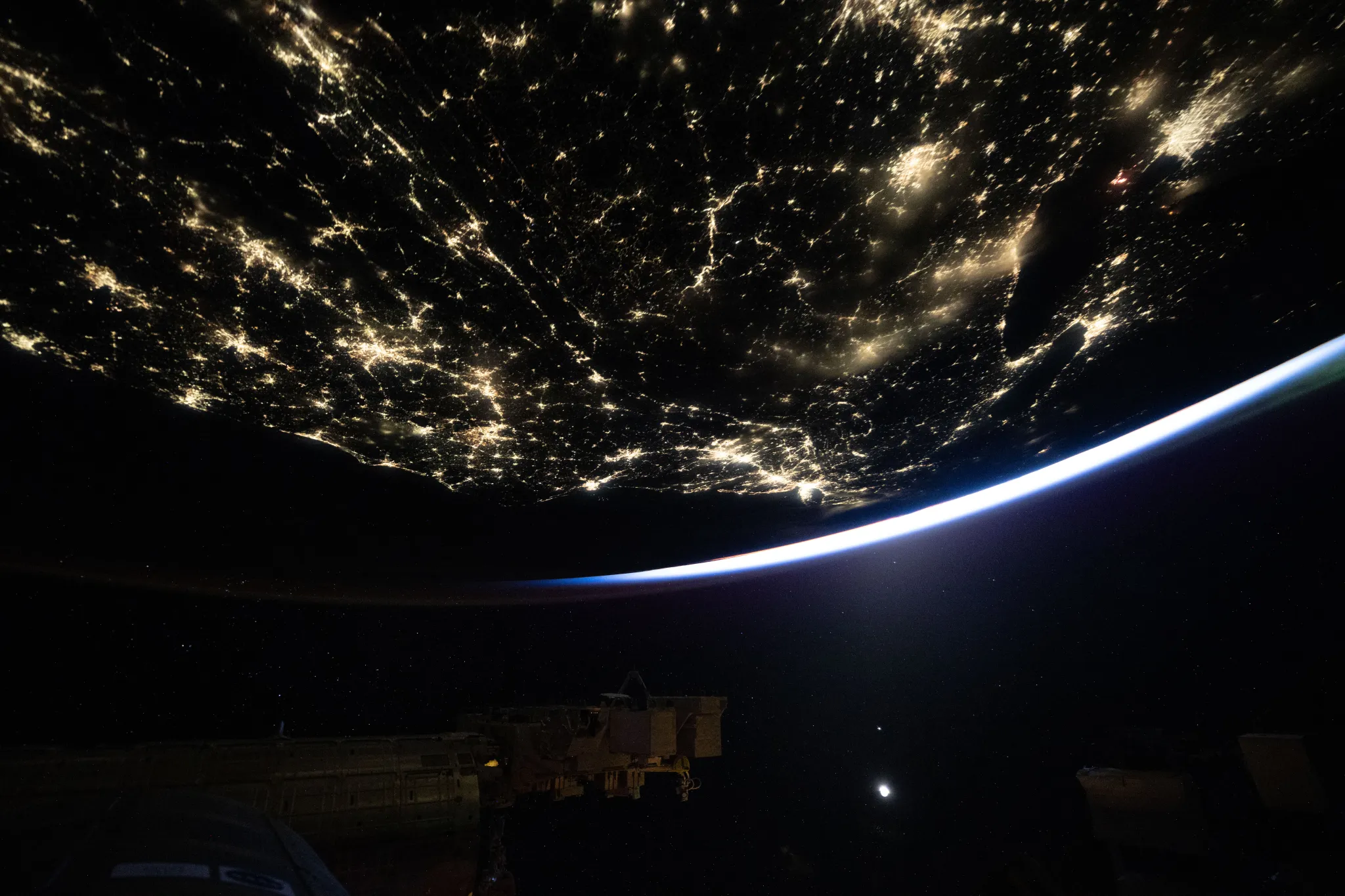
Orbital Surveillance Report
Data transmitted from the International Space Station (ISS) offers a high-fidelity perspective on terrestrial activity under the cover of darkness. According to NASA Breaking News, these imaging assets provide more than just aesthetic value; they serve as a critical tool for monitoring the scale and spread of human infrastructure across the globe.
Technical Utility
The ISS occupies a unique position in Low Earth Orbit (LEO), allowing for the capture of artificial light signatures and atmospheric phenomena that remain invisible to daytime sensors. These night-view datasets are essential for analyzing urban growth patterns, energy consumption trends, and the environmental footprint of industrialized zones. The contrast between the illuminated grid of human civilization and the vast, dark expanses of the oceans and uninhabited wilderness provides researchers with a clear map of anthropogenic influence.
Mission Context
This imagery comes amid a period of high operational activity on the station. NASA and its international partners, including Roscosmos and the Canadian Space Agency (CSA), continue to cycle crews through the orbital laboratory. Recent movements include the scheduled arrival of SpaceX Crew-13, featuring Commander Jessica Watkins and Mission Specialist Joshua Kutryk. As crew rotations like Crew-14 are finalized, the station remains the primary hub for human health research and planetary observation.
By documenting the planet from 400 kilometers above, these missions validate the necessity of a sustained human presence in orbit. The data captured at night informs climate change modeling and helps refine the logistical frameworks required for future deep-space exploration under the Artemis program.