Orbital Monitoring Confirms Global Mangrove Recovery Trend
New satellite data analysis reveals a significant slowdown in global mangrove deforestation, indicating a potential recovery for these critical carbon-sequestering ecosystems.
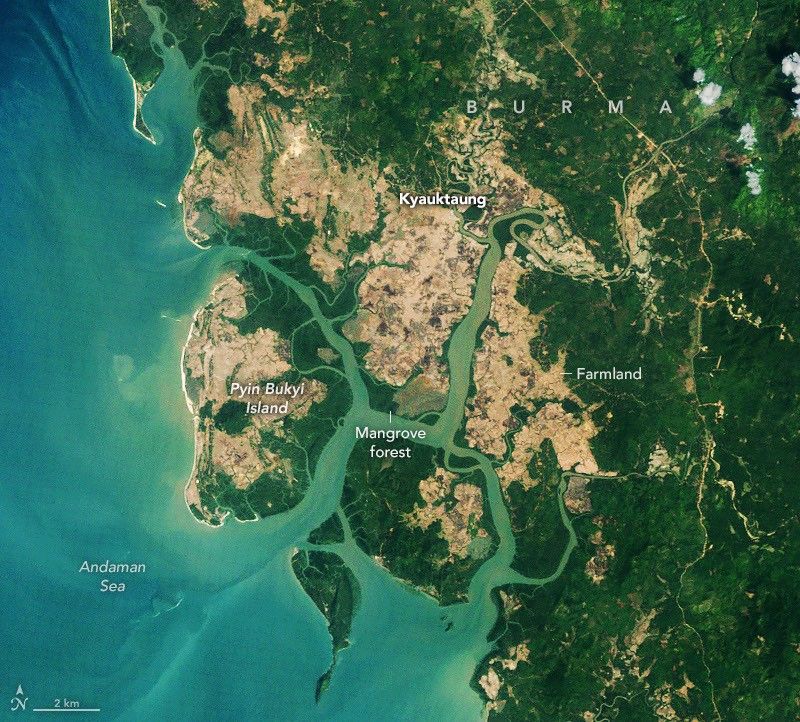
Data Inbound: Ecosystem Telemetry
Recent analysis of orbital data suggests a critical shift in terrestrial biomes. According to NASA Breaking News, the rapid decline of global mangroves—once considered a failing biological system—is decelerating. For decades, these intertidal forests were disappearing at an alarming rate, primarily due to aquaculture, agriculture, and urban expansion. However, current satellite telemetry indicates a global rebound.
The Shift in Vectors
While human interference remains the primary cause of mangrove loss, the percentage of loss attributed to anthropogenic factors has decreased significantly. In the late 20th century, human activity accounted for the vast majority of forest removal. Data now indicates that natural stressors, such as erosion and extreme weather events, are becoming the dominant drivers of change, while human-driven deforestation has stabilized or reversed in key sectors.
Carbon Sequestration and Defense
Mangroves represent a high-density carbon sink, sequestering three to four times more carbon than land-based tropical forests. Their recovery is a vital metric for planetary stability. Beyond carbon management, these ecosystems serve as biological shielding, protecting shorelines from storm surges and erosion. Restoration efforts, alongside stricter environmental protocols, have allowed these coastal buffer zones to expand in regions where they were previously eradicated. This data confirms that targeted conservation efforts, monitored via high-resolution orbital imaging, are producing measurable gains in planetary resilience.