Orbital Mechanics: Earth Reaches Equinox Alignment
Planetary data confirms Earth has reached its orbital equinox, marking a global transition in solar exposure and seasonal shifts across both hemispheres.
Orbital Status Update
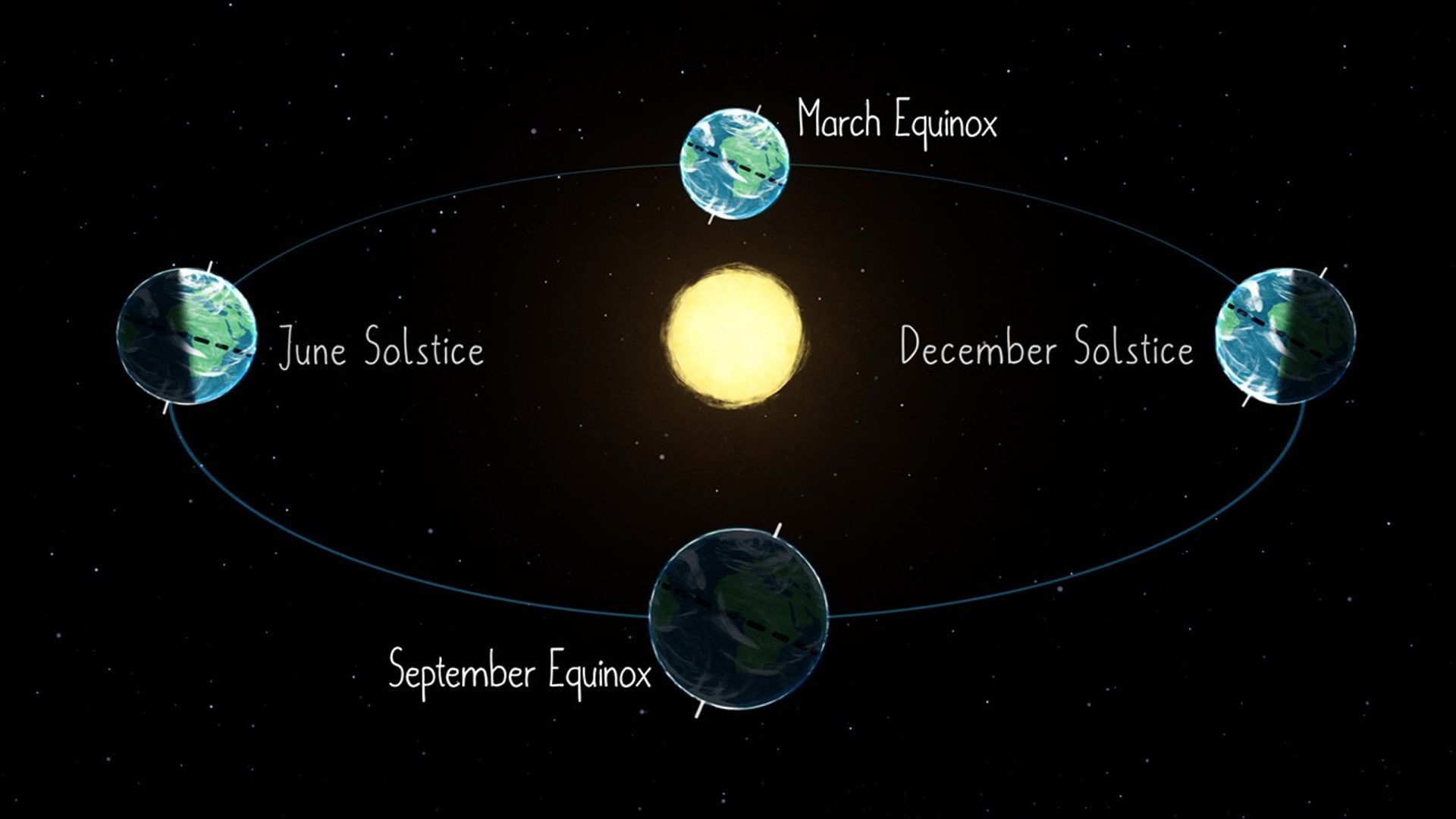
Earth has entered its latest equinox phase, a recurring point in the planetary orbit where the axial tilt neither leans toward nor away from the Sun. According to NASA Breaking News, this celestial alignment results in nearly equal periods of daylight and darkness across all terrestrial longitudes.
Planetary Data Review
In the Northern Hemisphere, this event signals the onset of the autumnal transition, while the Southern Hemisphere initiates its vernal cycle. Beyond simple calendar tracking, the equinox serves as a vital marker for atmospheric science and orbital mechanics. High-resolution data from the Lunar Reconnaissance Orbiter (LRO) and other deep-space assets continue to provide context for Earth's position within the solar system. Recent updates from these missions include the detection of a 'once-in-a-century' lunar crater, underscoring the dynamic nature of our immediate orbital neighborhood.
Associated Mission Feed
Supporting data flows from the International Space Station (ISS) and the Artemis program emphasize the critical nature of these seasonal shifts for mission planning. Concurrently, planetary exploration continues at a high tempo. NASA reports include the identification of complex ancient water systems on Mars via the Perseverance rover and the discovery of a record-breaking 'baby' planet in a distant star system. These milestones, alongside the equinox, highlight a period of significant activity in both local and deep-space observation sectors. Monitoring of Earth's climate metrics remains a priority as the planet shifts into its next seasonal quadrant.