Orbital Logistics: Preparing Sophie Adenot’s Custom Rations
ESA has initiated the complex logistical process of preparing 'bonus food' for astronaut Sophie Adenot’s upcoming ISS mission, balancing nutritional science with crew psychological well-being.
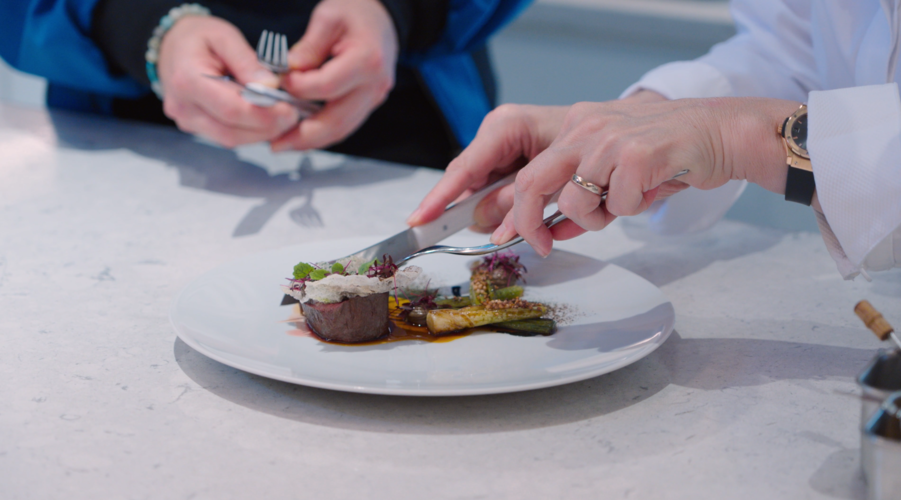
Mission Sustainment: The Bonus Food Protocol
Logistical preparations for ESA astronaut Sophie Adenot’s mission to the International Space Station (ISS) have entered a critical phase. According to ESA, specialized "bonus food" is currently undergoing rigorous processing to ensure it meets strict orbital safety and shelf-life requirements.
While standard ISS rations provide necessary caloric intake, bonus food serves a dual purpose: nutritional supplementation and psychological maintenance. These meals are often culturally significant or personally preferred items, designed to mitigate the sensory deprivation associated with long-duration spaceflight.
Certification and Logistics
The journey of these rations begins on Earth, where ingredients are selected for their ability to withstand the microgravity environment. ESA technicians must ensure that items do not produce crumbs—which pose a risk to station electronics—and maintain structural integrity during the high-G forces of launch. Each container is vacuum-sealed and tested for microbial stability, a necessity for the multi-month storage cycles onboard the ISS.
Once certified, the food is integrated into the manifests of upcoming resupply vehicles. This transport chain underscores the complexity of European mission support, where even a single meal requires international coordination and precision engineering to reach the low Earth orbit (LEO) environment. Adenot’s selection represents a vital link to terrestrial culture, providing a morale boost essential for peak operational performance during her deployment.