Orbital Integrity: Transporter-18 Encapsulation Finalized
Hardware integration for the Transporter-18 SmallSat mission is complete. This critical milestone prepares the payload for orbital insertion via the Falcon 9 launch architecture.
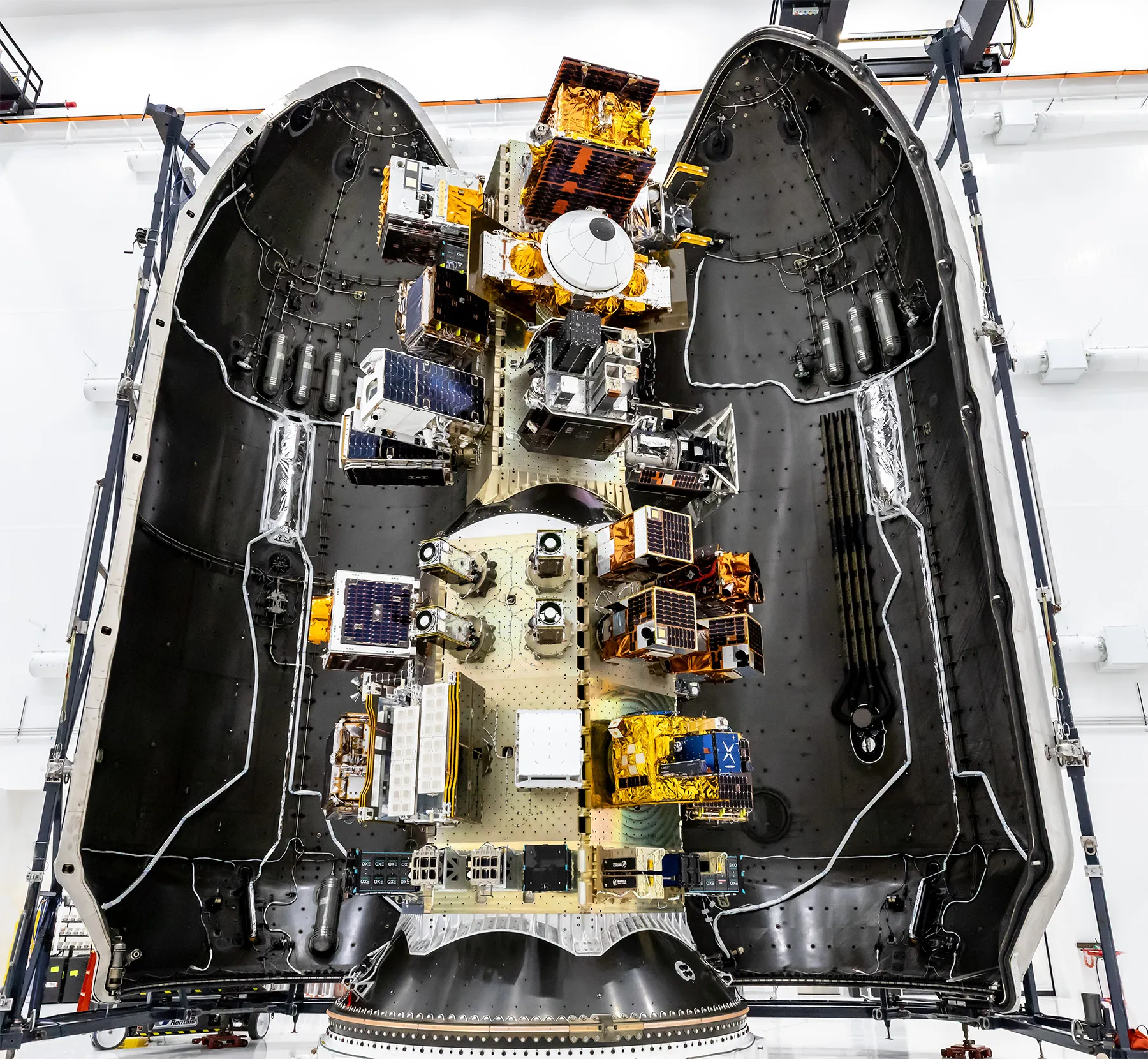
# LEO Integration Status
Operational protocols for the Transporter-18 mission have reached a critical threshold. According to NASA Breaking News, the process of SmallSat encapsulation has been successfully finalized. This phase represents the terminal stage of ground-side hardware integration before the payload is mated to the primary launch vehicle.
Structural Integrity and Shielding
The encapsulation procedure involves the secure sealing of diverse SmallSat payloads within a protective fairing. This shell is engineered to mitigate atmospheric friction, thermal gradients, and aerodynamic stresses encountered during the initial ascent phase. The mission, part of the ongoing Transporter rideshare initiative, facilitates high-frequency access to Low Earth Orbit (LEO) for governmental and commercial entities.
Launch Trajectory
With encapsulation complete, the mission focus shifts to final vehicle integration. The payload stack is scheduled for deployment via a Falcon 9 rocket. This specific mission profile emphasizes the increasing density of orbital traffic, as multiple independent satellite systems are synchronized within a single launch window. Engineers are currently monitoring telemetry to ensure all internal systems maintain structural and electronic equilibrium prior to rollout.
Technical Implications
Successful encapsulation confirms that the multi-payload adapter has met all mass-balance and interface requirements. The mission continues to demonstrate the viability of mass-rideshare architectures for the deployment of CubeSats and microsatellites, providing the necessary infrastructure for rapid constellation expansion and technological demonstration in vacuum conditions.