Orbital Integrity: Hardening the Kill Chain at True Anomaly
Cybersecurity director Pasha Kravtsov is dismantling the industry myth that unreachable spacecraft are unhackable, securing high-stakes defense assets for the new era of orbital warfare.
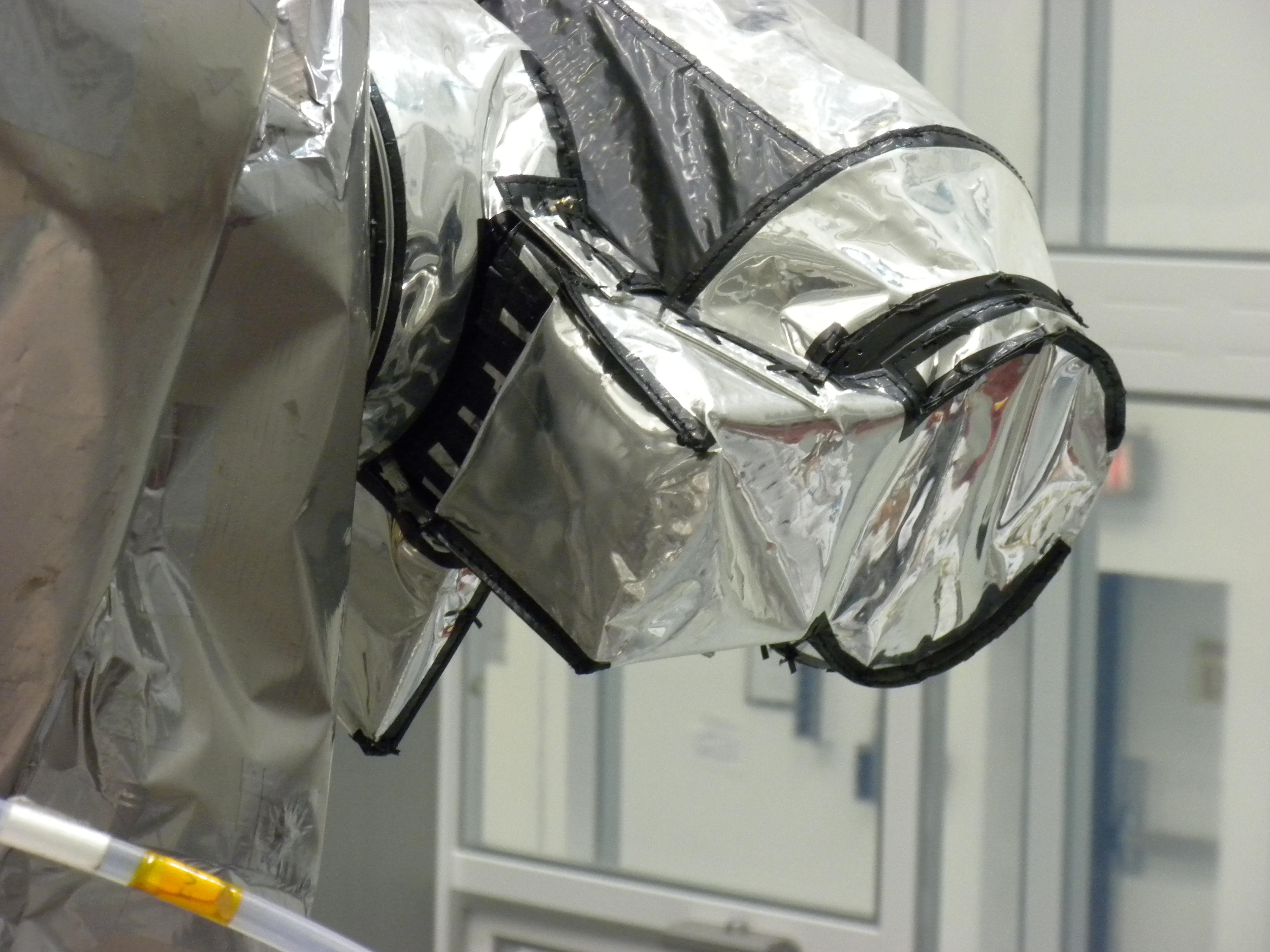
Hardening the High Ground
In the current geopolitical climate, commercial orbital assets have transitioned from auxiliary tools to critical battlefield infrastructure. According to Payload, Pasha Kravtsov, Cybersecurity Director at True Anomaly, is spearheading the effort to secure these vulnerable nodes. Kravtsov, a former Cloudflare security specialist who spent his youth reverse-engineering software, now leads a team of over 27 experts tasked with preventing unauthorized intrusions into spacecraft systems.
Kinetic Consequences
The stakes in the defense-space sector differ fundamentally from terrestrial IT. Kravtsov notes that while a breach at a typical tech firm might lead to data leaks, a compromised satellite represents a physical threat. A hijacked asset can be maneuvered into unauthorized trajectories, impacting national security missions. This reality hit home following the Russian invasion of Ukraine, where commercial satellites were immediately weaponized and targeted.
Navigating the Regulatory Vacuum
Kravtsov joined True Anomaly in early 2023, building encryption for the firm’s inaugural mission without a traditional aerospace background. His team recently navigated the intensified regulatory landscape, meeting NOAA’s new, stringent cybersecurity licensing requirements just before the Mission X-3 flight test. The success of X-3 serves as a proof of concept for Kravtsov’s primary thesis: the industry must abandon the "security through distance" fallacy.
"What I want to see is challenging the status quo of ‘if you can’t touch it, it can’t be hacked,’" Kravtsov told Payload. As orbit becomes increasingly congested and contested, True Anomaly is betting that robust encryption, not physical distance, is the only viable defense against sophisticated state actors.