Orbital Hydrology: Monitoring Texas Cotton via NASA Earth Observations
NASA is leveraging satellite data to address critical water scarcity in the Texas High Plains, providing cotton farmers with precision irrigation models to combat prolonged drought conditions.
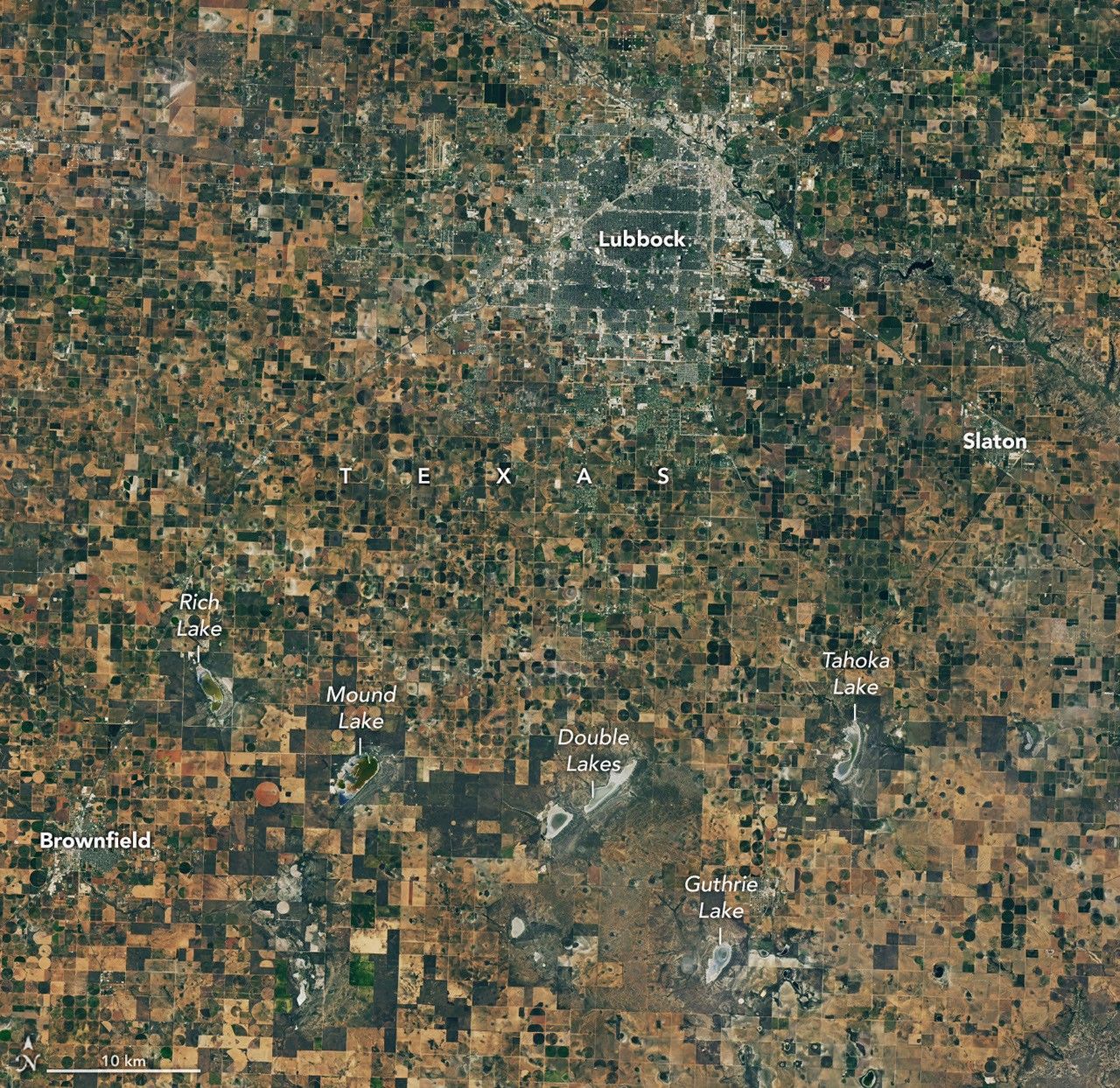
Data-Driven Agriculture in the Texas High Plains
The Southern High Plains of Texas, a global cornerstone for cotton production, is currently facing severe hydrological stress. As climate patterns shift, traditional dryland farming and reliance on the depleting Ogallala Aquifer have become increasingly untenable. According to NASA Breaking News, orbital assets are now providing the critical data needed to sustain regional agriculture through precision irrigation management.
Precision Modeling for Resource Optimization
The initiative utilizes multispectral imagery and thermal data from NASA’s Earth Observatory to map evapotranspiration rates—the process by which water moves from the soil and plants into the atmosphere. By monitoring these variables from low Earth orbit, researchers can determine the exact moisture requirements of crops at a granular level.
Standard irrigation often results in significant water waste due to over-application. The integration of satellite-derived data allows for the creation of "prescription maps." These digital blueprints enable automated irrigation systems to deliver water only where soil sensors and orbital telemetry indicate a deficit. This methodology reduces reliance on ground-based groundwater reserves while maintaining crop yields.
Strategic Importance of Earth Observation
This deployment of space-based monitoring represents a tactical shift in resource management. By converting raw electromagnetic data into actionable agricultural intelligence, the program mitigates the economic risks of crop failure. The project serves as a proving ground for planetary-scale water management strategies, demonstrating that orbital surveillance is an essential tool for terrestrial food security in an era of increasing environmental instability.