Orbital Gridlock: Resource Scarcity Threatens Megaconstellation Timelines
A surge in low Earth orbit satellite deployment is colliding with severe mineral shortages and supply chain bottlenecks, forcing operators to compromise on hardware standards.
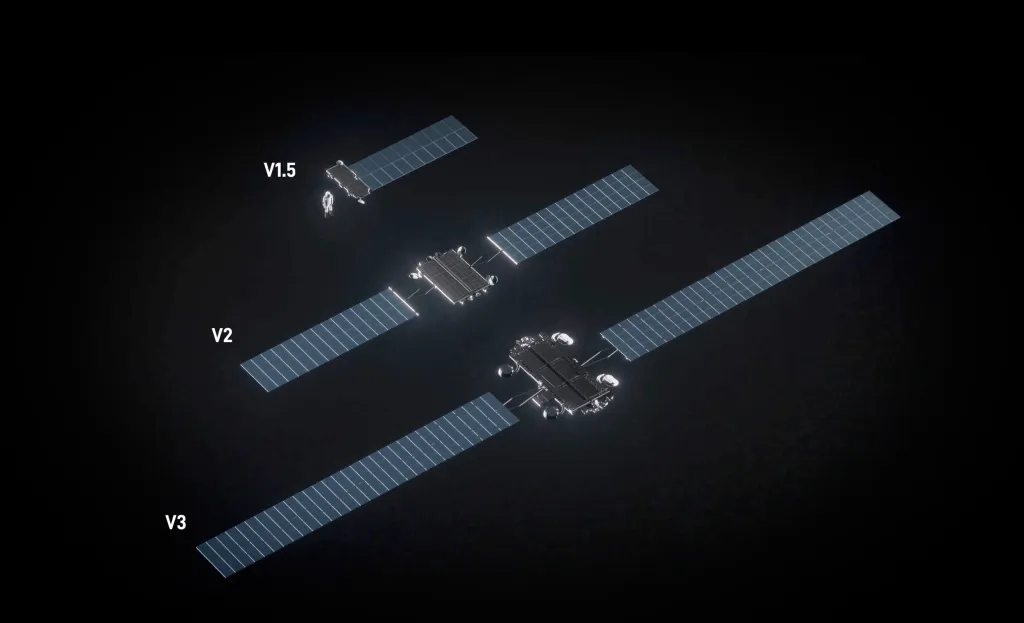
Supply Chain Fragility
The rush to populate Low Earth orbit (LEO) has hit a hard ceiling. According to SpaceNews, the industry transition from niche exploration to mass-produced megaconstellations is triggering a resource war. With SpaceX, Amazon, and Blue Origin collectively proposing tens of thousands of assets—and Elon Musk floating plans for up to one million satellites—the demand for specialized components has outpaced global production capacity.
Critical Bottlenecks
A joint analysis by the Aerospace Industries Association (AIA) and PricewaterhouseCoopers identified nine critical subcomponents currently strangling the pipeline, including actuators, valves, and transformers. Suppliers are increasingly reluctant to bid on space-grade contracts, citing high complexity and low profit margins compared to terrestrial sectors like AI data centers. Steve Jordan Tomasweski of the AIA notes that some firms are now forced to "downgrade" to non-space-qualified components or accept year-long delays to secure vital hardware.
The Mineral Geopolitics
Geopolitical instability further complicates the trajectory. The industry is dangerously reliant on China, which controls approximately 98% of Gallium Nitride (GaN) and a dominant share of Germanium production—minerals essential for high-efficiency solar cells. Carla Filotico of Novaspace warns that export restrictions or conflict in the Strait of Hormuz could cripple the sector, as space applications represent a significant market share for these specific materials.
Forecast: 2030 Peak
With LEO populations projected to grow from 19,000 to nearly 90,000 assets, the pressure will peak by 2030. The Space Development Agency (SDA) reports ongoing struggles with quality control and throughput for optical communications and focal-plane arrays. As Earth-based demand for AI infrastructure competes for the same raw materials, the space sector faces a period of forced consolidation and strategic redesign.