Orbital Forensics: NASA Imaging Logic Decodes Ancient Surface Records
A computational technique originally developed by NASA for satellite image enhancement is now being deployed to extract lost visual data from ancient archaeological sites and damaged historical artifacts.
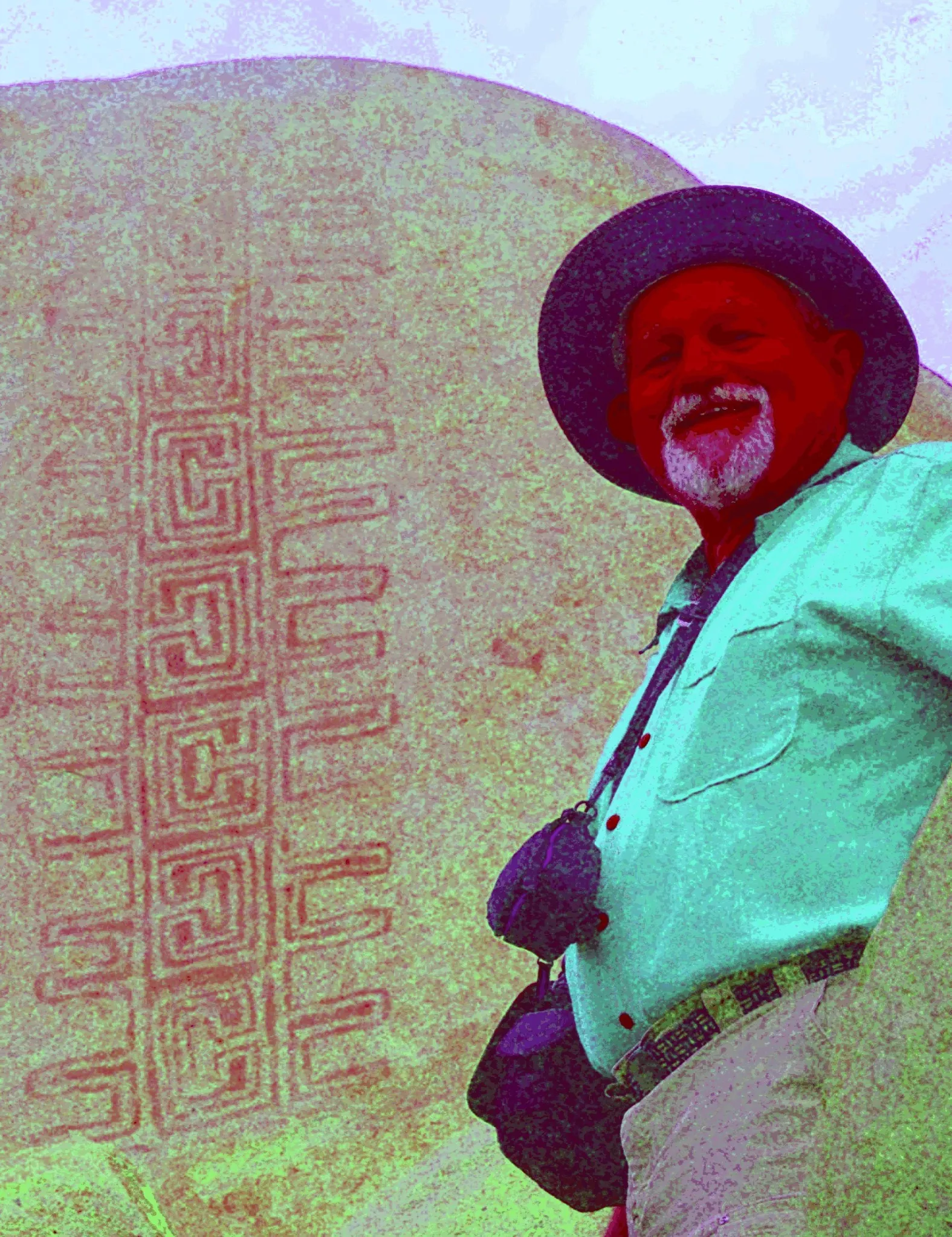
ARCHIVE EXTRACTION: ORBITAL LOGIC APPLIED TO HISTORY
Computational frameworks designed to stabilize and enhance satellite telemetry are finding a new theater of operations: terrestrial archaeology. According to NASA Breaking News, a digital imaging technique pioneered for the manipulation of high-altitude satellite photography is now being utilized to reveal data previously lost to time and environmental degradation.
FROM LOW EARTH ORBIT TO ANCIENT SITES
The core technology, a product of NASA’s Tech Transfer program, was engineered to isolate and clarify specific spectral signatures from orbital sensor arrays. By adjusting contrast and filtering visual noise, NASA scientists can distinguish between geological formations and man-made structures from hundreds of kilometers above the surface. This same mathematical approach is being reconfigured for macro-photography and ground-based scanning.
Researchers are applying these algorithms to ancient murals, scrolls, and carvings that appear blank or unreadable to the naked eye. By treating a faded artifact as a degraded satellite image, the software can reconstruct faint pigment patterns and structural indentations. This non-invasive forensics tool allows for the recovery of lost inscriptions without risking the physical integrity of the relic.
SPINOFF UTILITY
This crossover highlights the persistent value of space-grade sensor logic in civilian sectors. The ability to “de-noise” a surface and amplify hidden spectral data transforms archaeological sites into data-rich environments. As NASA continues to refine these imaging protocols for the upcoming Artemis missions and deep-space observation, the secondary applications for historical preservation are expected to expand, providing a high-definition window into the deep past using the tools of the future.