Orbital Dental Hygiene: Managing Fluid Mechanics on the ISS
Maintaining dental hygiene in microgravity requires specialized techniques to handle water tension and waste disposal without a sink.
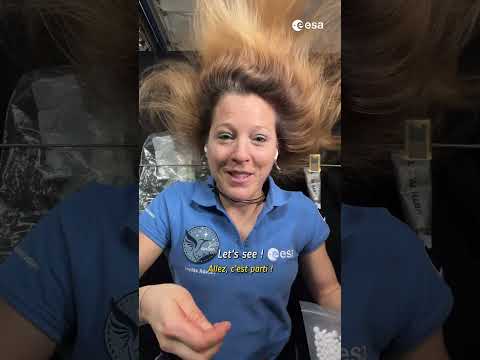
Zero-G Sanitation Protocols
Operational life aboard the International Space Station (ISS) necessitates the adaptation of basic physiological maintenance to a microgravity environment. According to data provided by the ESA YouTube channel, standard terrestrial dental hygiene routines are fundamentally altered by the absence of gravity-driven fluid drainage.
The Procedure
On the ISS, the primary challenge is the management of water. Without a sink or running water, European astronauts utilize a small, squeezable water pouch to saturate the bristles of their toothbrush. Due to surface tension, the water forms a sphere around the brush rather than dripping off, requiring precise manipulation to avoid free-floating droplets that could interfere with station electronics.
Once the toothbrush is prepared, a standard toothpaste is applied. The brushing process mirrors terrestrial methods; however, the disposal phase requires a significant deviation from earthbound habits. Since there is no drainage system to capture expelled fluids, astronauts utilize a 'swallow' technique. The mixture of water, saliva, and toothpaste is ingested, as spitting would release a hazardous cloud of bio-matter into the cabin atmosphere. Alternatively, a disposable tissue or cloth can be used to capture excess foam, though resource conservation often favors ingestion.
Equipment Maintenance
Post-cleaning, the toothbrush must be manually dried and stored in a designated hygiene kit to prevent bacterial growth. In the closed-loop life support system of the ISS, every gram of water is eventually recovered through the station's advanced filtration systems—including the moisture exhaled during this process.