Orbital Analysis: The Red Waters of Laguna Colorada
European Space Agency imaging systems provide a high-resolution look at Bolivia's Laguna Colorada, a shallow salt lake defined by its distinct crimson hue and extreme environment.
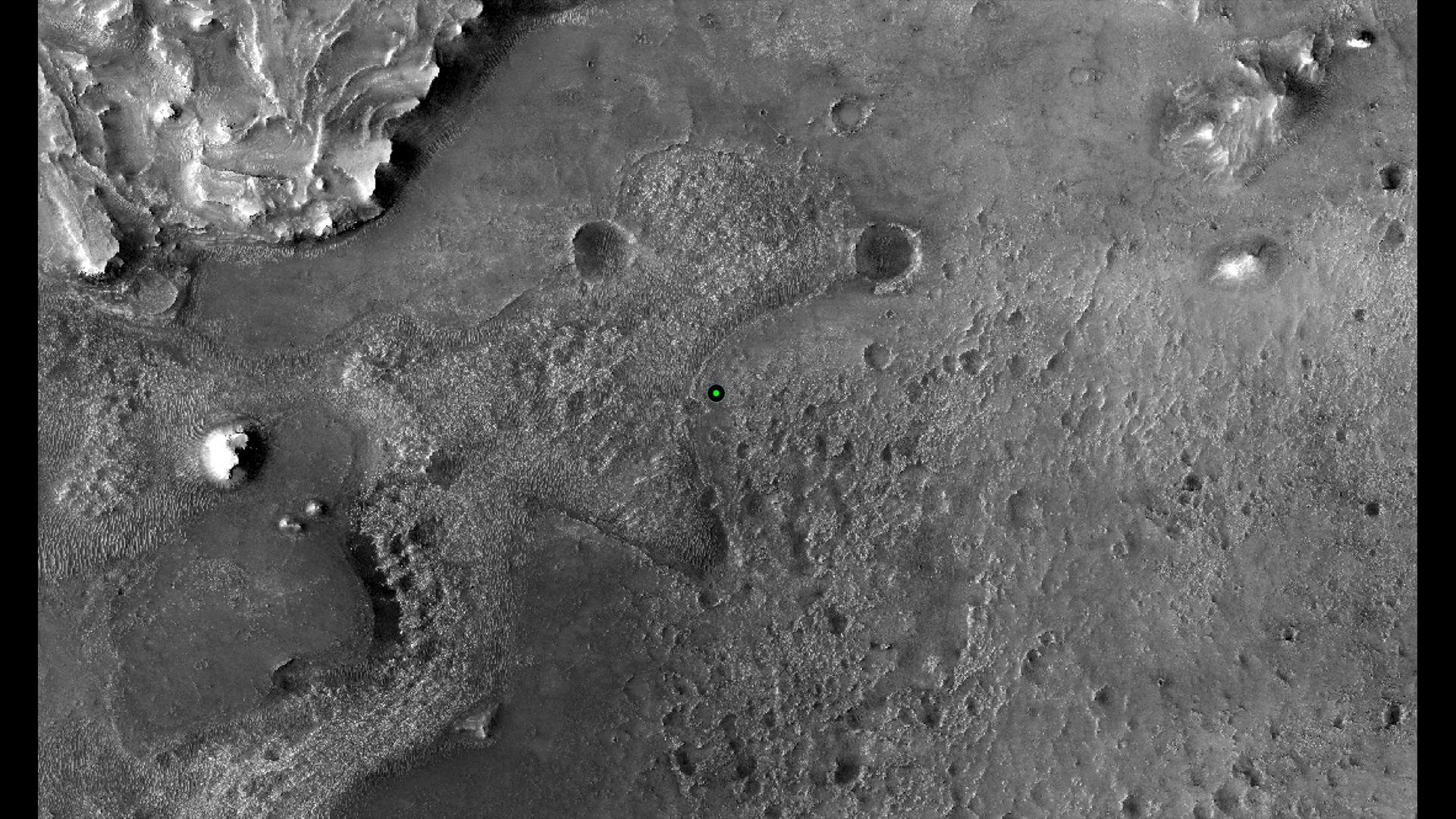
Data Acquisition: Altiplano Sector
New orbital imaging assets have captured the stark topography of Laguna Colorada, situated in the Eduardo Avaroa Andean Fauna National Reserve. Located in southwest Bolivia at an elevation of approximately 4,300 meters, this shallow salt lake serves as a critical study site for high-altitude hydrological dynamics. According to ESA, the lake spans roughly 60 square kilometers, though its depth rarely exceeds 50 centimeters.
Spectral Signature: Biological Indicators
The lake is characterized by a distinctive red hue, the result of sediment deposits and the proliferation of specific algae species. These microorganisms thrive in the highly saline environment, producing carotenoid pigments that respond to varying light intensity and temperature. The surrounding landscape, visible in the ESA imagery, consists of vast white salt flats—borax deposits that contrast sharply against the thermal and biological activity of the water.
Environmental Context
Despite the harsh conditions, the area supports a specialized ecosystem. The Laguna is a primary breeding ground for James’s flamingos, one of several species adapted to the nutrient-rich, hypersaline waters. The surrounding Puna ecoregion is dominated by volcanic peaks and arid terrain, highlighting the geological isolation of the basin.
Mission Status
This data release underscores the ongoing utility of European Earth observation platforms in monitoring remote biodiversity hotspots. By documenting the shift in sediment patterns and water levels, agencies can track the impact of climate variability on the fragile Andean water systems. Data integrity remains high, providing researchers with a precise visual log of the region's current geochemical state.