Orbital Analysis: The Mechanics of Intra-Cloud Lightning Discharge
New data from orbital sensors provides a high-resolution look at the kinetic energy exchange occurring within Earth's storm systems.
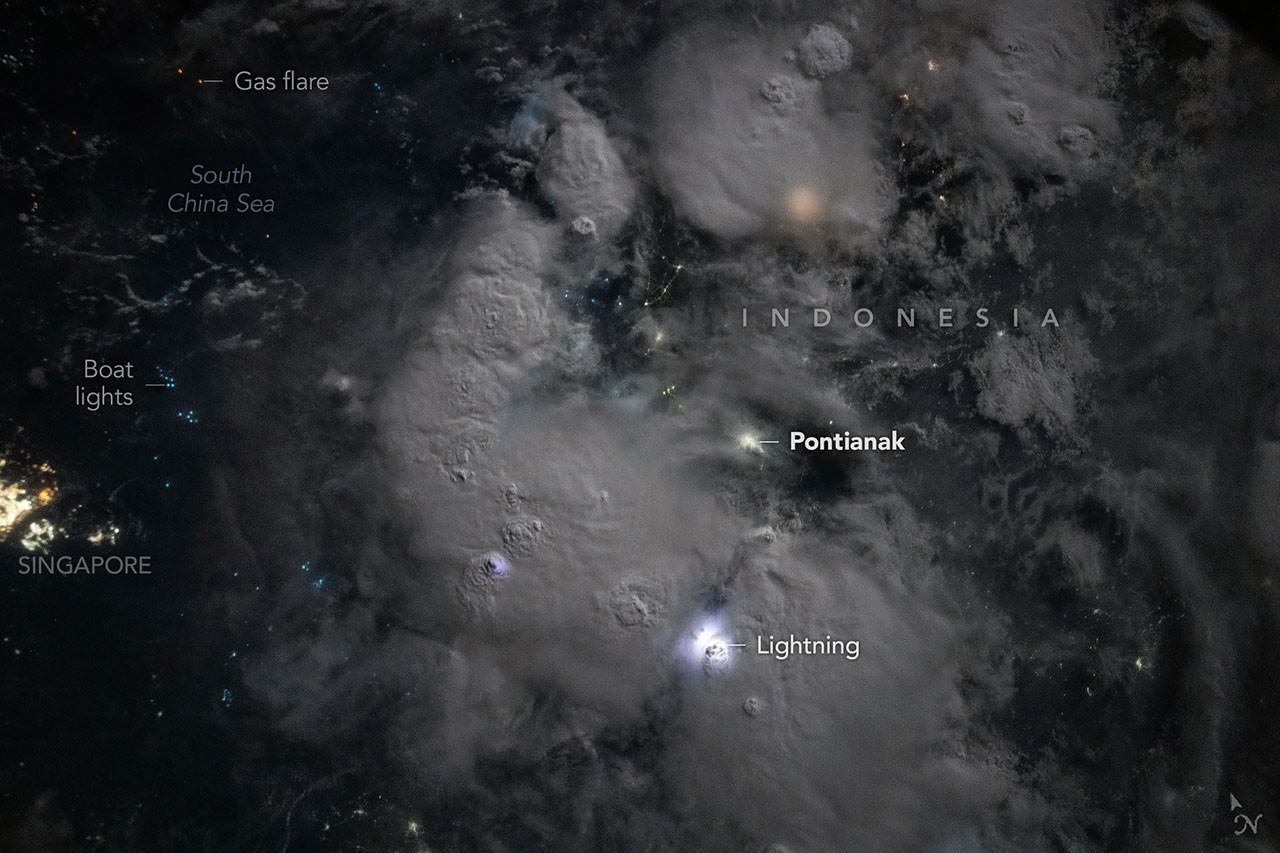
DATA OVERVIEW
Recent observations from the Geostationary Lightning Mapper (GLM) and other orbital assets have provided high-fidelity visualization of intra-cloud lightning phenomena. According to NASA Breaking News, researchers are utilizing these instruments to track the rapid transfer of electrical discharge between cloud structures—a process colloquially described as 'tossing fireworks' across the atmosphere.
TECHNICAL ANALYSIS
Unlike traditional cloud-to-ground strikes, intra-cloud discharges account for the vast majority of lightning activity. These events occur when localized electrical potential differences between regions of the atmosphere reach a critical breakdown threshold. Orbital sensors allow for the monitoring of these discharges over vast geographic areas, providing real-time telemetry on storm intensification and convective dynamics. By analyzing the frequency and intensity of these flashes, meteorologists can better predict severe weather trajectories.
INSTRUMENTATION AND SCOPE
The utilization of space-based optical sensors represents a significant shift from terrestrial radar. While ground stations are limited by line-of-sight and geographical obstacles, orbital monitoring ensures continuous coverage of oceanic and remote land regions. This data stream is integral to the broader understanding of Earth’s energy budget and atmospheric chemistry. As climate patterns shift, tracking these high-energy discharges becomes a priority for global aviation safety and disaster mitigation frameworks.
Operational status remains nominal. Monitoring continues.