Orbital Analysis: The Desert Bloom Phenomenon
Satellite data confirms a massive vegetation surge in arid regions following extreme precipitation events, offering new insights into biological resilience.
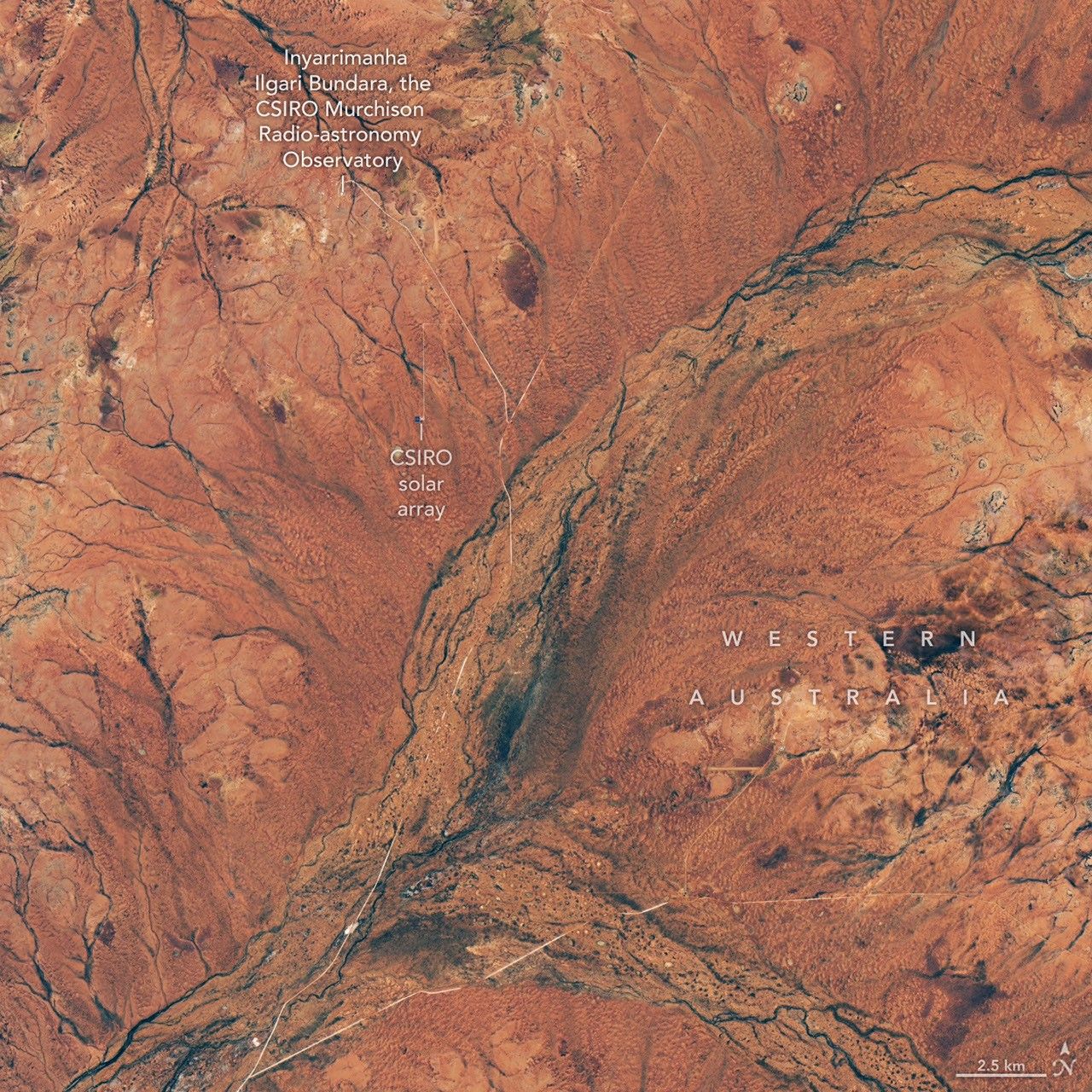
Data Analysis: Terrestrial Biosignatures
Recent telemetry from orbital platforms has confirmed a significant anomaly in terrestrial biomass distribution. According to NASA Breaking News, the Earth’s arid zones are currently experiencing a 'boom year' for desert blooms, a rare biological event triggered by specific meteorological parameters. This phenomenon, visible from Low Earth Orbit (LEO), marks a drastic shift in the albedo and spectral signature of desert landscapes.
The Mechanism of Emergence
The process is driven by intense, episodic rainfall that exceeds standard seasonal thresholds. Dormant seeds, some remaining viable for years in a state of suspended animation, respond to the sudden hydration of the topsoil. This creates a rapid, large-scale germination event that can be mapped by Earth-observation satellites. These biological surges provide critical data for climate modeling, as they demonstrate how arid ecosystems respond to the increasing volatility of the planetary water cycle.
Scientific Context
This spike in vegetative activity follows a period of extreme climate variability. While these 'superblooms' are often characterized by their visual intensity, the scientific focus remains on the carbon sequestration potential and the sudden shifts in local biodiversity. Data streams from missions like Landsat and the European Sentinel constellations are essential for tracking the duration and density of these blooms. The current data set suggests that as global temperatures fluctuate, the frequency of these desert-based biological events may deviate from historical norms, requiring refined predictive algorithms for future ecosystem monitoring.