Orbital Analysis: Nightfall on the Spooky Planet
According to NASA Breaking News, a recent imaging release highlights the atmospheric and environmental conditions of a distant exoplanet, providing critical data for planetary scientists.
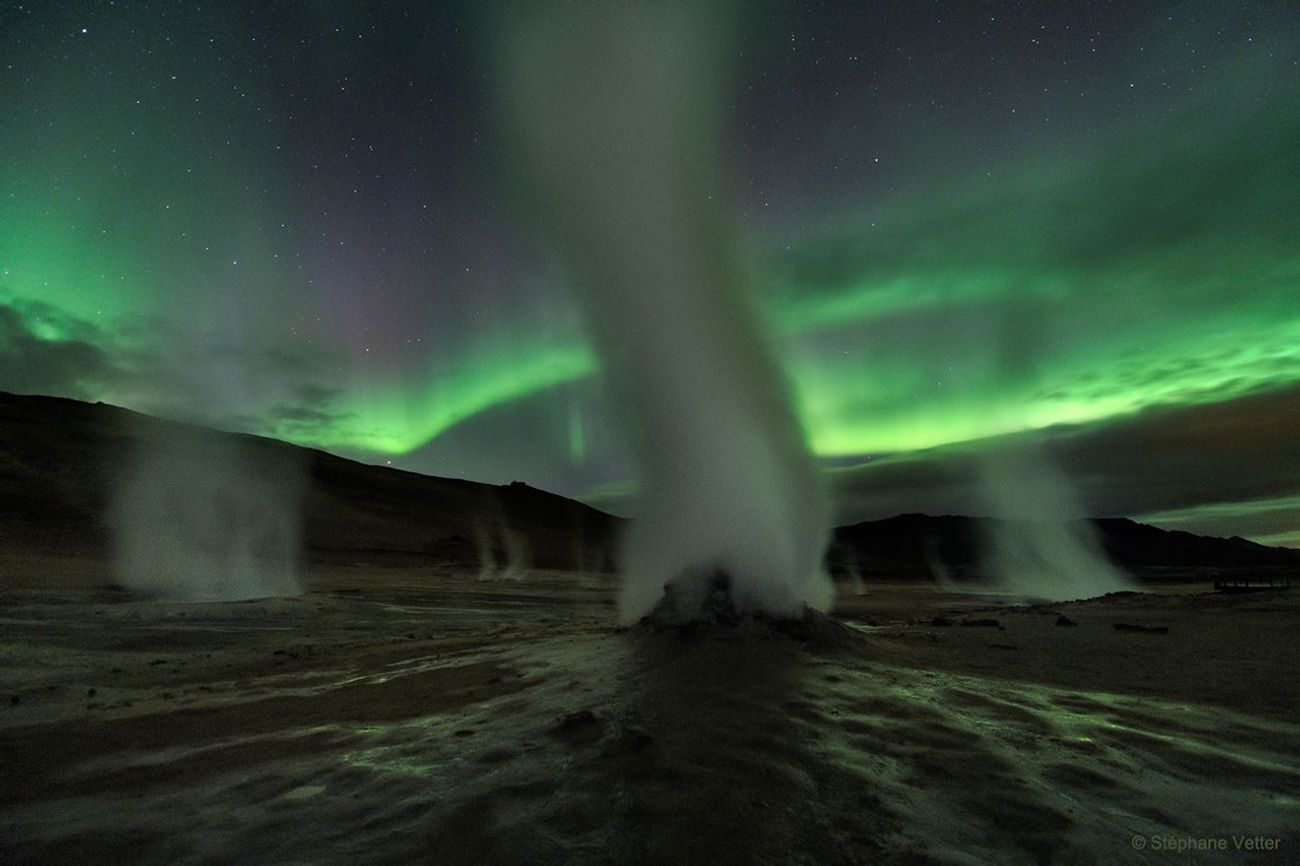
Data Stream: Planetary Observational Series
According to NASA Breaking News, the Astronomy Picture of the Day (APOD) for 31 October 2026 focuses on a high-resolution visualization of atmospheric nightfall on a distant, nicknamed "spooky" exoplanet. This data release coincides with broader agency efforts to map the physical and biological potential of extreme worlds across the Milky Way.
Mission Context and Logistical Updates
The release is situated within a high-activity period for deep-space observation. While the James Webb and Hubble telescopes continue to provide fundamental spectroscopic data, NASA is simultaneously exploring commercial servicing options for the Hubble observatory to extend its operational lifespan. This shift toward private-sector integration mirrors the European Space Agency’s (ESA) current trajectory in orbital maintenance.
Terrestrial and Martian Parallels
The environmental study of this exoplanet is supplemented by recent findings closer to home. Recent NASA-funded studies have detailed the analysis of one of the oldest Mars meteorites ever recovered, providing a chemical baseline for planetary evolution. Furthermore, data from the Perseverance rover is currently being utilized to develop mitigation strategies against Martian dust, a critical step for future crewed surface operations.
These datasets collectively enhance our understanding of planetary habitability. The "Spooky Planet" visualization serves as a terminal reminder of the diverse, and often hostile, environments that await human and robotic exploration beyond the heliopause.