Orbital Analysis: Extreme Heat Dome Terminates Northern Summer
According to NASA Breaking News, a persistent high-pressure system has locked extreme temperatures across the Northern Hemisphere, marking a volatile end to the seasonal cycle.
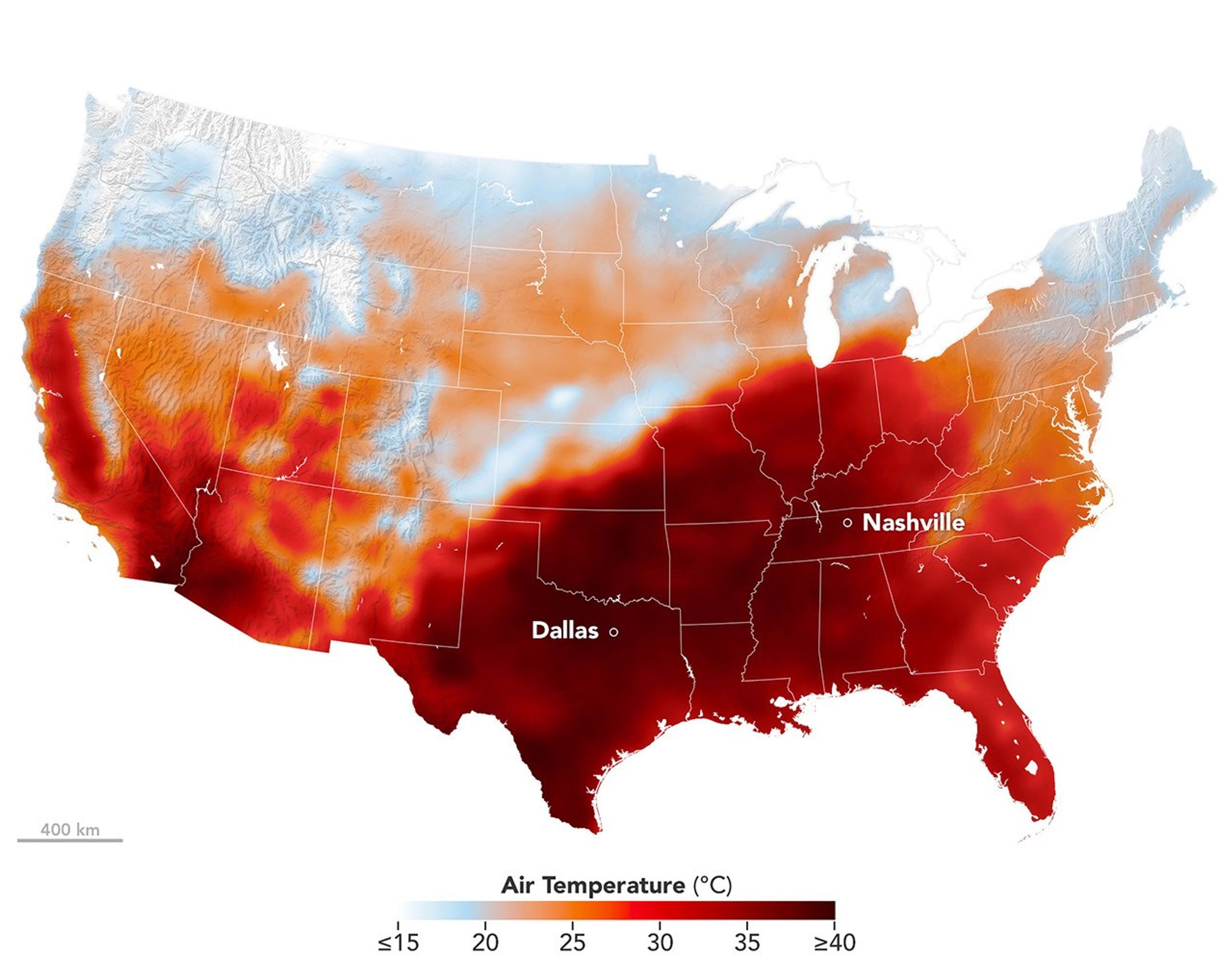
DATA OVERVIEW
Orbital sensors and Earth-observatory systems have confirmed the presence of a massive "heat dome" lingering over Northern latitudes. This meteorological phenomenon involves a high-pressure system that traps warm air in a specific region, preventing cool air from circulating and effectively baking the atmosphere beneath it. According to NASA Breaking News, this thermal anomaly has characterized the final weeks of the summer season.
MECHANICS OF THE DOME
The high-pressure ridge acts as a localized atmospheric lid. As solar radiation enters the lower atmosphere, the trapped air is compressed and heated further, resulting in temperatures significantly above historical averages. NASA data indicates that these heat domes are not merely seasonal inconveniences but are becoming more frequent and intense as the global climate equilibrium shifts. Observations from the International Space Station and dedicated Earth-observation satellites have provided high-resolution mapping of these thermal plumes, showing their scale across multiple continents.
ATMOSPHERIC TRENDS
While heat domes are natural occurrences, the duration and peak intensity of this latest event underscore ongoing concerns regarding terrestrial climate stability. NASA’s Earth Science division continues to monitor how these events interact with jet stream fluctuations. The current data suggests that the persistence of such systems could lead to increased risks of wildfires and agricultural stress, demanding more robust orbital monitoring solutions to predict future heat-trapping events. Scientists are utilizing the Artemis era's advanced data-sharing protocols to ensure international research teams can analyze these atmospheric shifts in real-time.