Orbital Analysis: Canada Enters Biological Transition Phase
Satellite imaging platforms have captured the initial stages of Canada’s autumnal foliage shift, providing critical data on the Northern Hemisphere's seasonal transition.
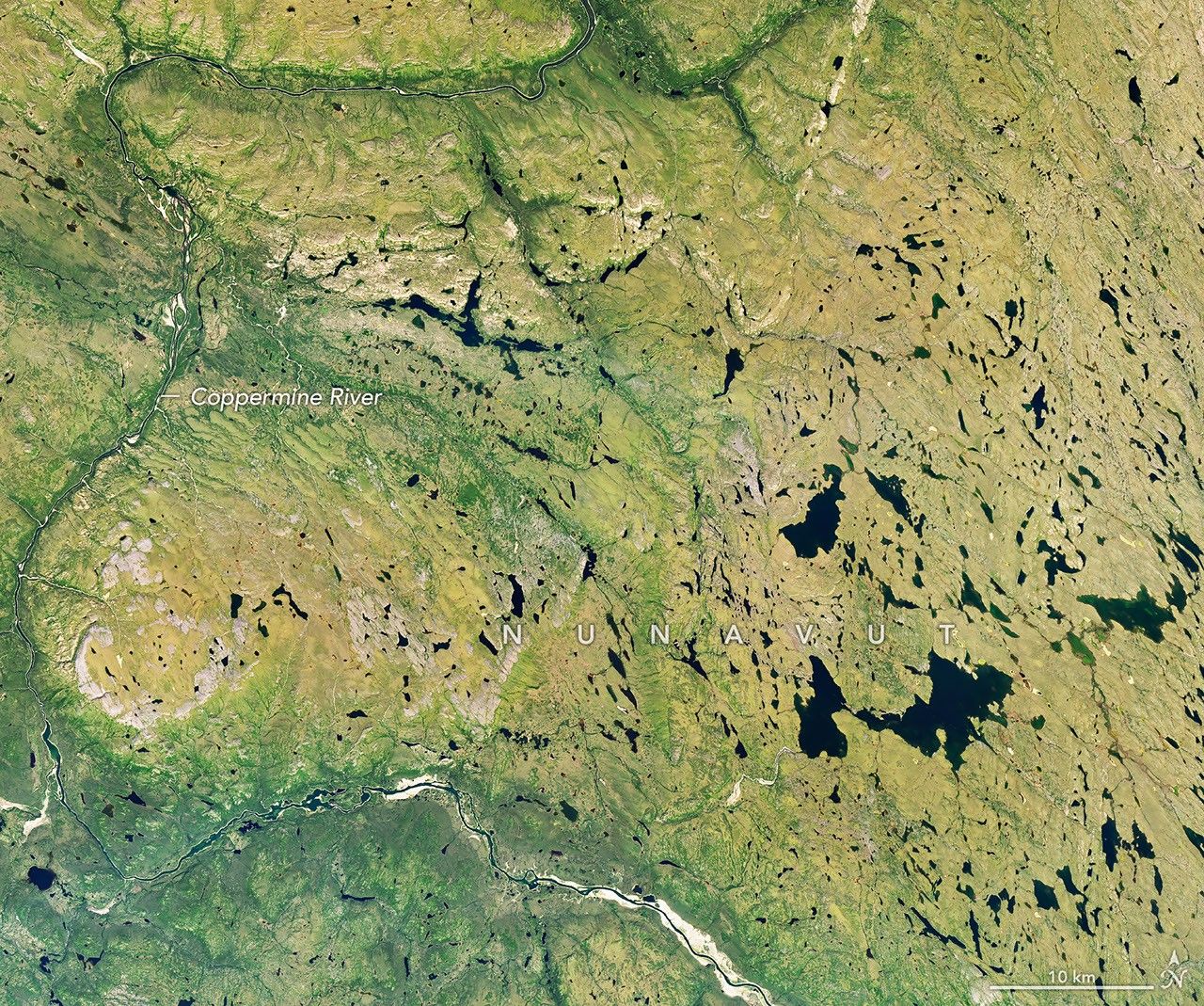
DATA ACQUISITION: NORTHERN LATITUDES
Operational assets monitoring the Northern Hemisphere have confirmed the onset of the annual biological shift across the Canadian landmass. According to NASA Breaking News, multi-spectral imaging platforms are currently tracking a significant change in vegetation reflectivity as deciduous forests transition toward dormancy.
SENSORY OBSERVATIONS
This early look at fall color represents a massive metabolic slowdown. As chlorophyll production ceases, secondary pigments—carotenoids and anthocyanins—become visible to orbital sensors. This data is not merely aesthetic; it provides a high-resolution window into the health of the boreal and temperate ecosystems. The intensity and timing of these shifts are key indicators for climatologists tracking the duration of the growing season.
CLIMATIC INTERFACE
Recent imagery reveals high-contrast signatures in regions like Ontario and Quebec, where early-onset cooling and specific photoperiod triggers have accelerated the transition. These findings align with broader atmospheric data regarding cold air masses moving south from the Arctic Circle. By utilizing Earth Observation (EO) satellites, researchers can quantify the scale of this biomass shift in real-time, offering a precision that ground-based monitoring cannot achieve.
While the visual spectrum displays hues of orange and red, the underlying data signals a hardening of the biosphere in preparation for sub-zero thermal cycles. NASA and its international partners continue to utilize these orbital vantage points to bridge the gap between biological cycles and global climate modeling.