Oncology in Orbit: Microgravity as a Tool for Cancer Research
NASA researchers are utilizing the unique microgravity environment of the International Space Station to study cancer cell behavior, aiming to unlock new therapeutic insights impossible to replicate on Earth.
# Terminal Log: Biological Research Unit
According to NASA Breaking News, the focus of orbital science has shifted toward cellular pathology. Recent mission logs confirm that the International Space Station (ISS) is being utilized as a high-altitude laboratory to observe the development and progression of cancer cells in a microgravity environment.
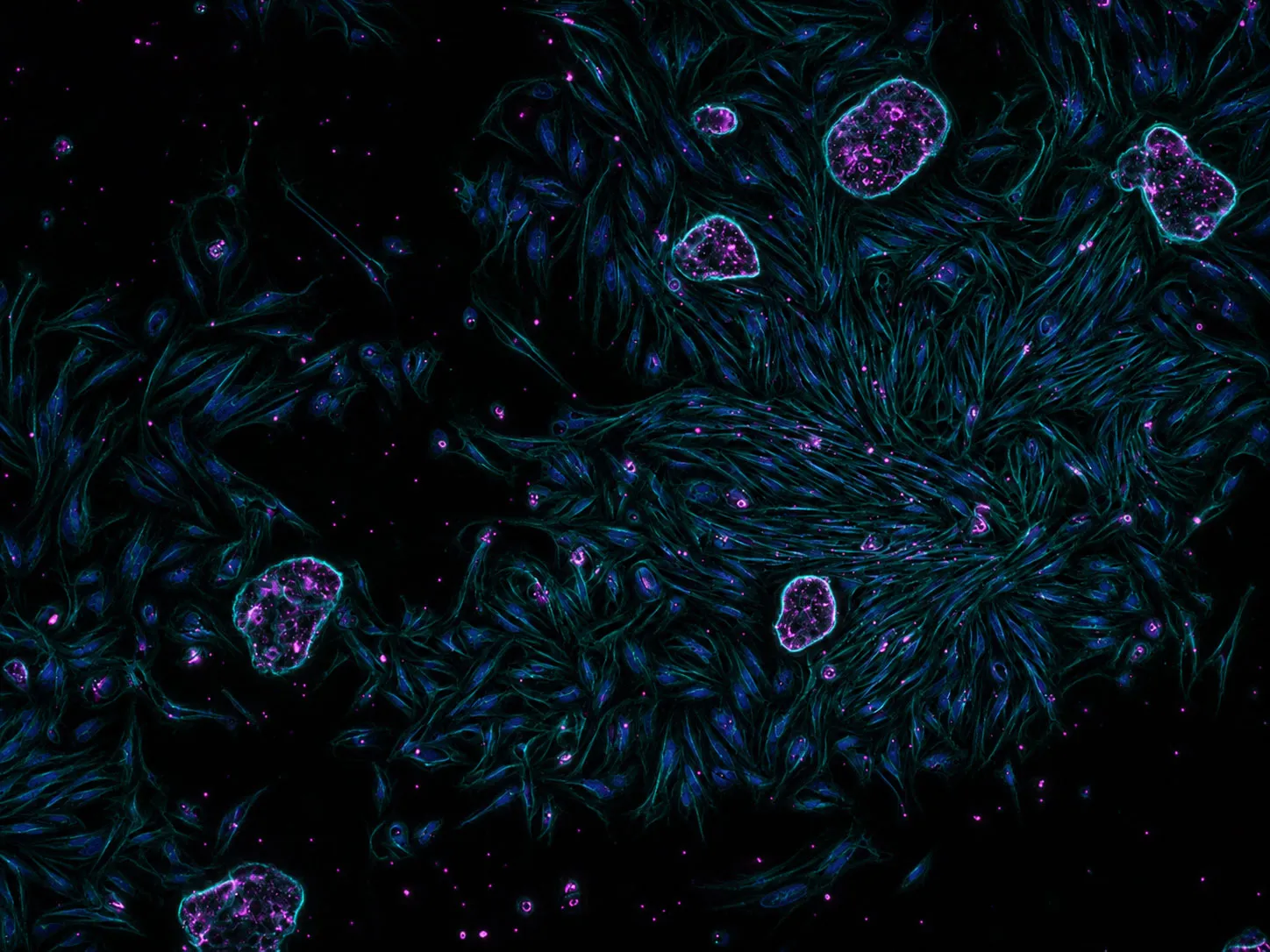
On Earth, gravity forces cells to grow in flat, two-dimensional layers. This constraint significantly limits the accuracy of biological modeling, as human tumors are complex, three-dimensional structures. In the weightless environment of the ISS, researchers can cultivate cell cultures that mimic the 3D architecture of human organs and tumors more effectively. This shift in spatial orientation allows for a more granular analysis of how malignant cells interact, proliferate, and respond to experimental drugs.
Orbital Parameters for Oncology
Data harvested from these microgravity experiments provide a clearer view of the molecular mechanisms driving cancer growth. By removing the variable of gravity, scientists can isolate specific cellular behaviors that are often masked by terrestrial forces. The objective is to identify novel pathways for targeted therapies and improve the efficacy of existing pharmaceutical interventions.
As the Artemis program continues to push toward deep-space operations, understanding the cellular impact of long-duration spaceflight becomes a critical mission requirement. The integration of cancer research into the ISS workflow represents a dual-purpose strategy: advancing terrestrial medicine while safeguarding future interplanetary crews.