Olfactory Profile: The Atmospheric Scent of the ISS
European astronauts provide a sensory audit of the International Space Station, describing a unique chemical profile of ozone, metal, and combustion.
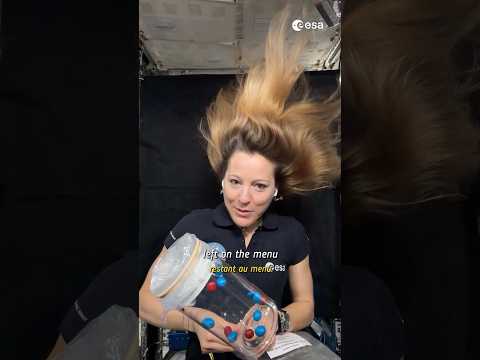
Environmental Sensor Analysis
The olfactory environment of the International Space Station (ISS) defies terrestrial comparison. According to the ESA YouTube channel, astronauts frequently identify a singular, pervasive scent that defines the orbital outpost. This sensory signature is not merely an aesthetic observation but a byproduct of high-vacuum physics and continuous life-support operations.
The Metallic Signature
Returning crew members and visitors describe the baseline aroma of the ISS as a complex mix of ozone and searing metal. Specifically, the scent is often likened to "burning metal" or the scorched air resulting from a welding torch. This phenomenon is particularly acute during the repressurization of airlocks following extravehicular activities (EVAs). When materials are exposed to the vacuum of space and then reintroduced to an oxygenated atmosphere, the resulting chemical interactions release these distinct, sharp odors.
Life Support Dynamics
Beyond the external influence of the vacuum, the internal environment maintains a persistent antiseptic quality. The constant recycling of air and the utilization of various cleaning agents contribute to a sterile, industrial undertone. However, it is the lingering essence of "space"—that metallic, gunpowder-like sharpness—that remains the most consistent feedback from ESA personnel. This olfactory data serves as a reminder of the harsh engineering realities required to maintain a pressurized volume in the vacuum of the low Earth orbit (LEO) environment.