NSSL Task Awarded Amidst New Glenn Static Fire Anomaly
Despite a launchpad explosion at Cape Canaveral, the U.S. Space Force has locked in Blue Origin for a 2027 NRO mission, signaling continued confidence in the unproven heavy-lifter.
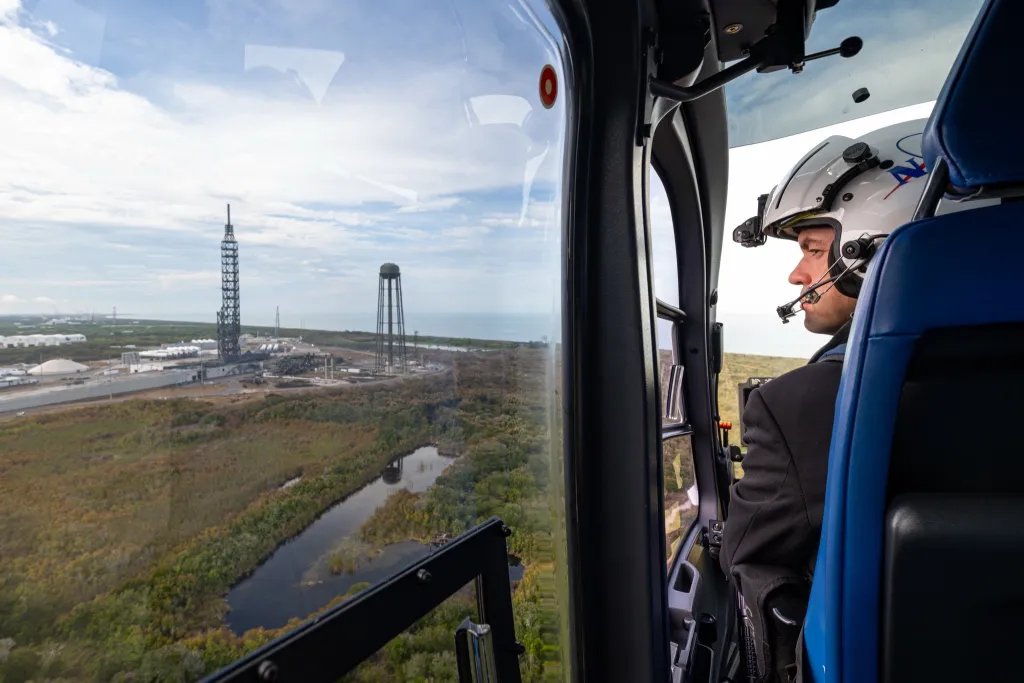
Terminal Entry: Cape Canaveral Systems Alert
Minutes before the May 28 static fire ended in the loss of a New Glenn vehicle, the U.S. Space Force finalized a high-stakes contract with Blue Origin. According to SpaceNews, the Washington-based firm was awarded a task order to deploy a National Reconnaissance Office (NRO) payload, despite the subsequent explosion at Launch Complex 36.
The Mission: NRO Task Order-4
Procured under the National Security Space Launch (NSSL) Phase 3 Lane 1 program, the contract schedules a single launch window between Q4 2027 and Q1 2028. Lane 1 is specifically architected for risk-tolerant national security missions, utilizing commercial-style procurement to onboard emerging launch providers like Blue Origin, SpaceX, and ULA.
Investigation and Recovery
Space Systems Command (SSC) reaffirmed its commitment to the partnership hours after the anomaly. Col. Eric Zarybnisky of SSC characterized the event as a “solemn reminder” of the complexities inherent in heavy-lift rocketry. Blue Origin CEO David Limp confirmed via social media that teams have regained pad access and are executing a rebuild plan.
While the value of Task Order-4 remains classified, the award underscores the Pentagon’s urgency to diversify its orbital access capabilities. The NRO and Space Force will collaborate with Blue Origin to identify the root cause of the hot fire failure before flight operations resume. The incident highlights the volatile nature of the NSSL Phase 3 transition as the U.S. shifts toward a broader industrial base.