NGSO Market Saturation: Newcomers Struggle Against SpaceX Dominance
As the FCC closes its latest spectrum filing round, a surge of satellite constellations seeks to challenge the market dominance of SpaceX and Amazon in the high-stakes LEO orbit.
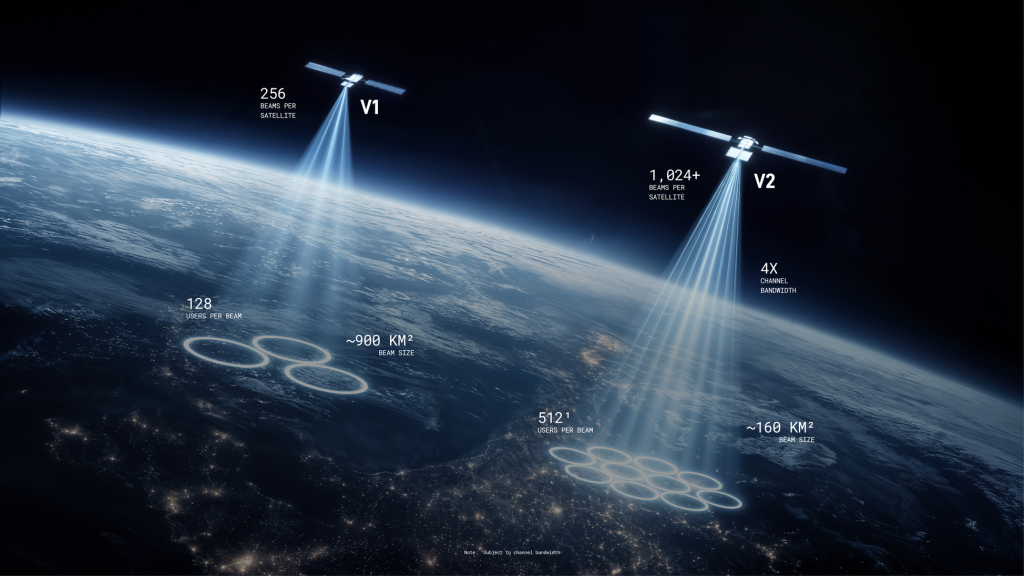
The non-geostationary orbit (NGSO) landscape is hardening into a territory of giants. According to SpaceNews, the Federal Communications Commission (FCC) recently concluded a critical processing round for Ku-, Ka-, and V-band frequencies, revealing a stark divide between established titans and ambitious startups.
The Scale of Ambition
SpaceX remains the primary disruptor, proposing a Gen 3 network of 100,000 satellites designed for AI-driven data processing. This follows its previous application for 30,000 Gen 2 units and a separate request for one million orbital data centers. Amazon follows closely; with its Project Kuiper already deploying Gen 1 hardware, the company has secured rights for 4,500 additional Gen 2 and Polar satellites.
European and Global Responses
European legacy operators Eutelsat and SES have filed for follow-on constellations to secure their existing NGSO footholds. Meanwhile, Canada’s Telesat is refining its Lightspeed design, targeting a 2028 global service launch. Blue Origin has also entered the fray with its 5,400-satellite TeraWave proposal aimed at government and enterprise sectors.
Barriers to Entry
Startups like Rivada, CesiumAstro, and SpinLaunch face a steep ascent. Industry analysts warn that "niche" strategies are vulnerable, as hyperscalers like SpaceX possess the capital and launch capacity to rapidly absorb any profitable gap in coverage. Geopolitics may offer the only viable shelter; as China develops its own megaconstellations, the market is likely to fragment based on sovereign security needs rather than pure economics. For newcomers, success depends on providing mission-specific capabilities rather than competing head-on with the broadband infrastructure of the industry's vertically integrated leaders.