New Horizons Reboot: Deep Space Veteran Re-enters Active Duty
NASA’s New Horizons spacecraft has successfully emerged from hibernation in the outer reaches of the Kuiper Belt, signaling full operational readiness for its next phase of exploration.
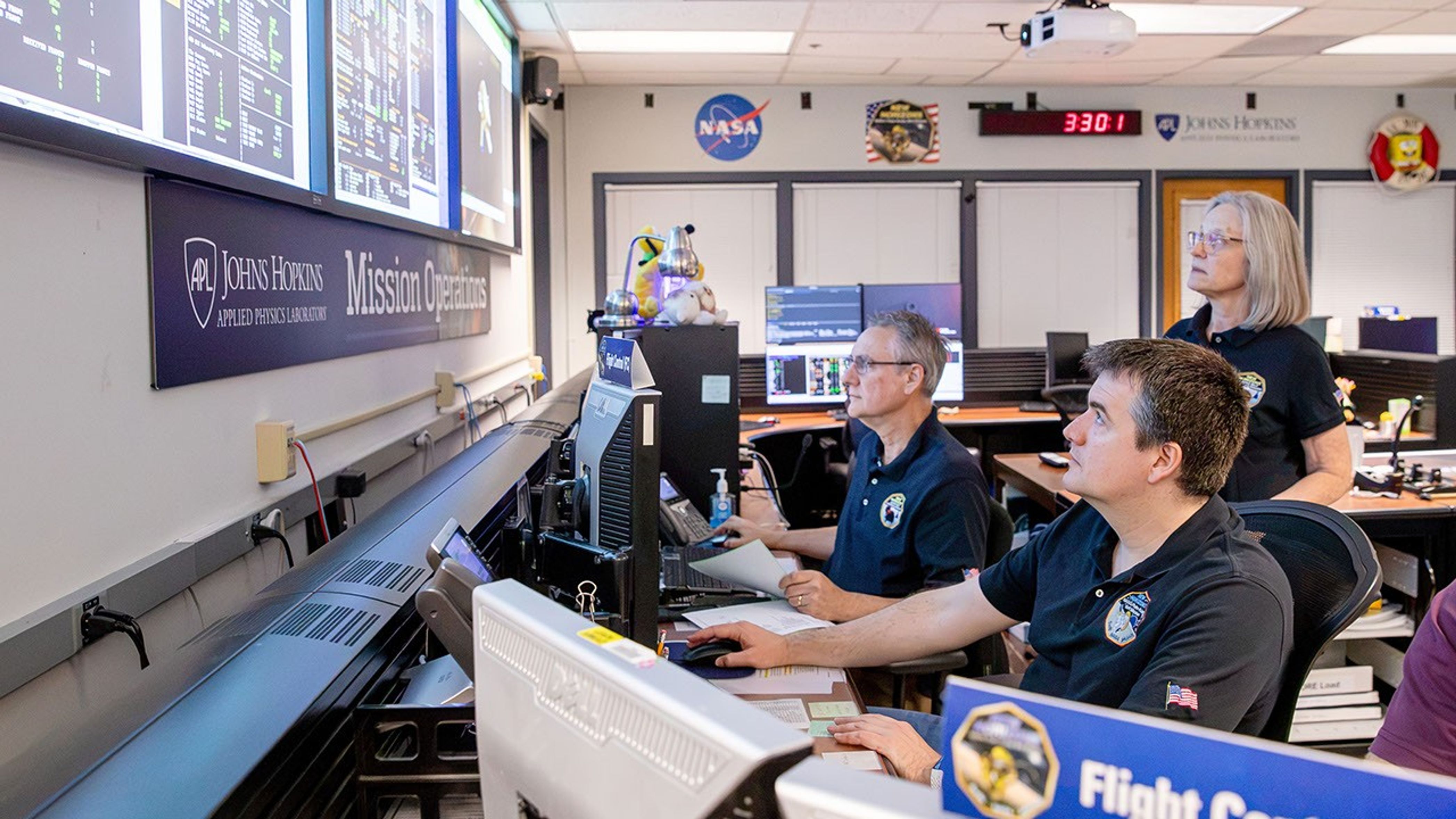
Status Report: Deep Space Network Handshake Confirmed
Following a period of scheduled electronic dormancy, the New Horizons spacecraft has transitioned back to active status. According to NASA Breaking News, the probe is in excellent health and has resumed nominal operations as it traverses the remote fringes of the Kuiper Belt.
Operational Logs
Mission controllers initiated the wake-up sequence to prepare the vessel for its continued reconnaissance of the outer solar system. During hibernation, the spacecraft deactivates non-essential subsystems, preserving its nuclear power source while maintaining a minimal telemetry heartbeat. The successful reactivation confirms that all primary systems—including propulsion, power, and scientific instrumentation—are functioning within expected parameters.
Mission Trajectory
Launched in 2006, New Horizons has already completed its primary objectives at Pluto and the Kuiper Belt Object Arrokoth. It is currently billions of kilometers from Earth, making it a critical asset for observing the unique environment of the heliosphere. The probe’s current mission involves collecting data on the solar wind and interstellar dust that cannot be gathered from within the inner solar system.
As the spacecraft continues its outward trajectory, mission teams are scanning the path ahead for potential new targets of interest. The longevity of the craft's systems remains a testament to mid-2000s aerospace engineering, providing a persistent platform for deep-space science for years to come.