NEURAL EVOLUTION: AI INTEGRATION IN ORBITAL ARCHITECTURE
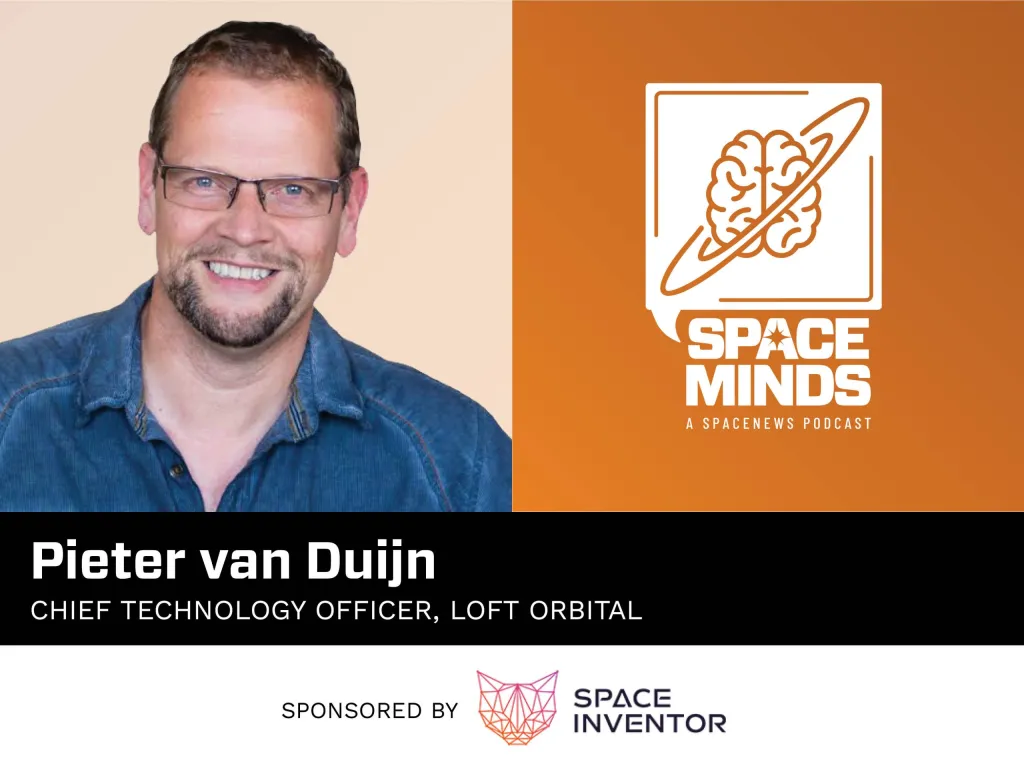
Loft Orbital CTO Pieter van Duijn reports a definitive shift in space industry trust toward AI-driven satellite autonomy, transitioning hardware into versatile, on-demand infrastructure.
DATA TRANSMISSION: ORBITAL SHIFT
In a recent report from Space Tech Expo Europe, the commercial space sector is witnessing a fundamental transition in how orbital assets are deployed and operated. According to SpaceNews, the industry is moving past its historical hesitation toward autonomous systems. Pieter van Duijn, Chief Technology Officer at Loft Orbital, indicates that trust in Artificial Intelligence (AI) has reached a critical threshold, enabling a move away from rigid, single-purpose hardware.
THE INFRASTRUCTURE-AS-A-SERVICE MODEL
Van Duijn parallels modern satellite utilization to renting a vehicle. In this emerging paradigm, customers no longer need to manage the complexities of satellite construction or launch logistics. Instead, they interface with pre-positioned orbital infrastructure. AI serves as the primary driver for this efficiency, allowing for onboard data processing and autonomous decision-making that reduces the latency inherent in traditional ground-control loops.
OPERATIONAL BARRIERS
Despite the rapid acceleration of AI integration, significant obstacles remain. The transition requires a departure from legacy mindsets that prioritize manual oversight. Van Duijn emphasizes that while the technology is ready, the primary friction point is the industry’s adaptation to automated workflows. The shift toward software-defined payloads means satellites are no longer static tools, but evolving nodes in a larger data network.
As orbital density increases, these AI systems will be essential for managing complex mission parameters without constant human intervention, marking the end of the traditional "bent-pipe" communication era.