NASA VALIDATES NEXT-GEN PLANETARY LANDING SYSTEM
A new NASA navigation experiment has successfully demonstrated precision landing technology, promising higher safety margins for future lunar and Martian descents.
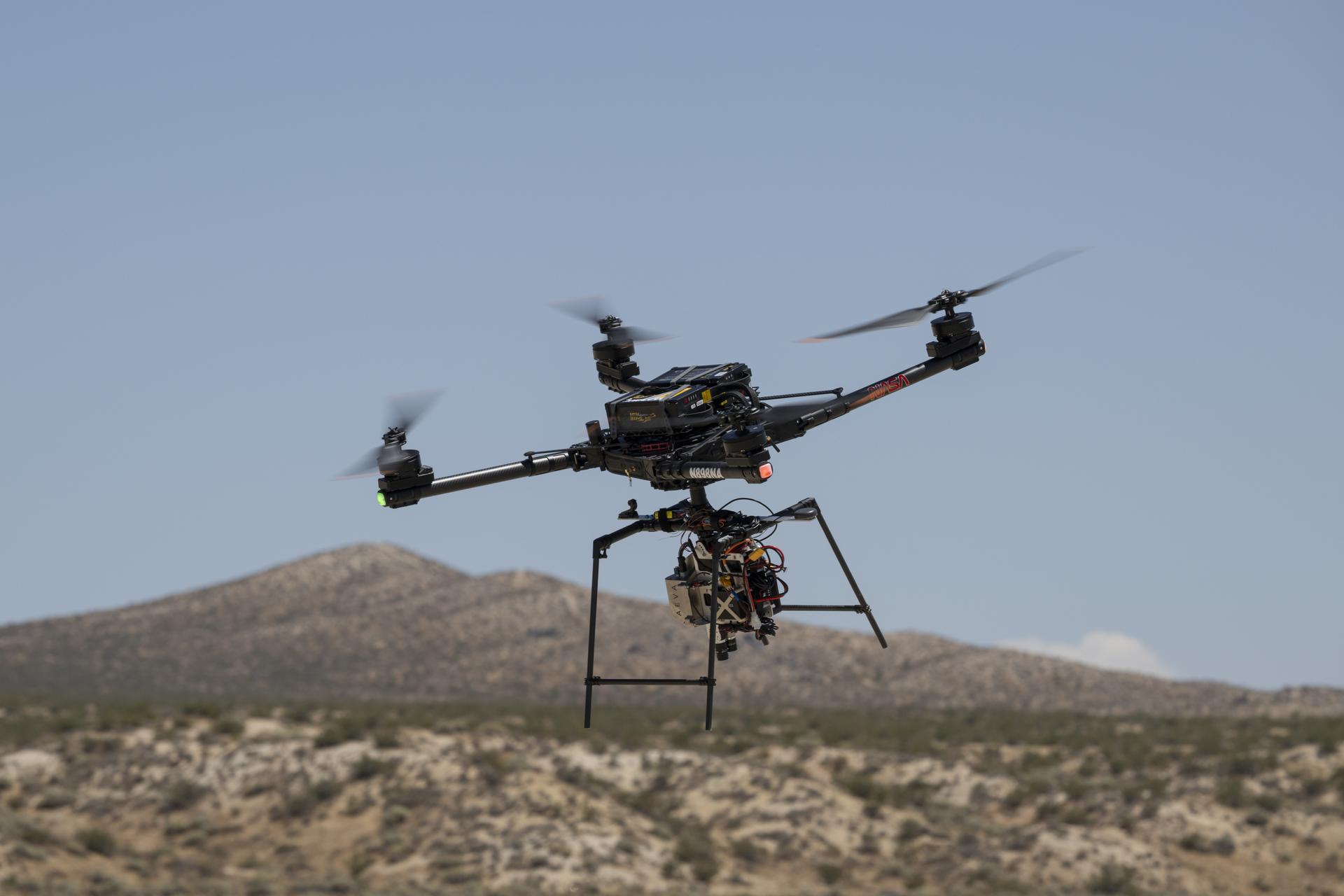
CORE PROTOCOL VALIDATED
NASA’s Armstrong Flight Research Center has concluded a critical navigation experiment aimed at revolutionizing planetary entry, descent, and landing (EDL) operations. According to NASA Breaking News, the technology, tested via high-altitude flight platforms, successfully demonstrated a new method for achieving sub-meter precision during hazardous landing phases.
TECHNICAL SPECIFICATIONS
The system utilizes a combination of advanced terrain-relative navigation (TRN) and Doppler lidar to map surface features in real-time. Unlike legacy systems that rely on pre-loaded maps, this experimental suite processes environmental data dynamically. This allows the lander to detect craters, boulders, and slopes that may have been missed by orbital surveys, adjusting the descent trajectory autonomously to ensure a safe touchdown.
MISSION INTEGRATION
The flight tests at Armstrong utilized a vertical takeoff and landing (VTOL) platform to simulate the gravitational and atmospheric conditions of extraterrestrial environments. Data harvested from these tests indicates a significant reduction in landing ellipses—the zone where a spacecraft is expected to land. Shrinking these ellipses is vital for future Artemis missions to the lunar South Pole and eventual crewed expeditions to Mars, where pinpointing specific resources or pre-deployed hardware is mandatory.
SYSTEM RELIABILITY
NASA officials confirmed that the hardware maintained operational integrity across multiple high-velocity descent profiles. By offloading computational weight to specialized flight processors, the system provides faster reaction times than previous iterations. This success paves the way for the integration of this sensor suite into upcoming commercial and governmental planetary landers, ensuring the safety of both robotic payloads and human crews.