NASA VALIDATES NEW THERMAL PROTECTION ARCHITECTURES
NASA successfully demonstrates next-generation heat shield technologies, paving the way for advanced planetary entry and atmospheric descent capabilities for future deep-space missions.
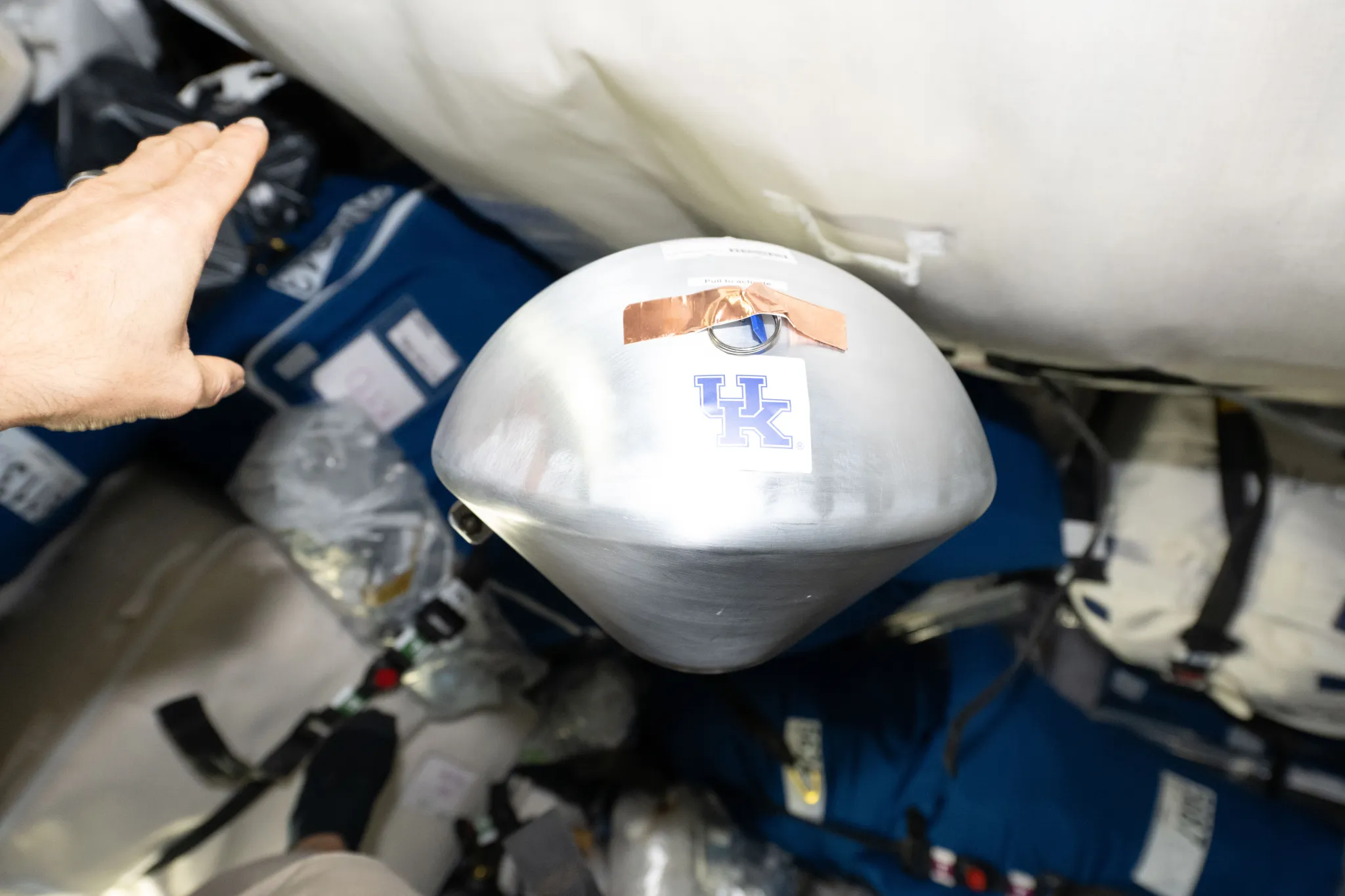
DATA INPUT: RE-ENTRY SYSTEMS ANALYSIS
Atmospheric entry remains one of the most significant kinetic hurdles in orbital mechanics. According to NASA Breaking News, the agency has successfully demonstrated a new suite of thermal protection system (TPS) technologies designed to survive the extreme heat and pressure of planetary arrival. These next-generation shields are engineered to facilitate the delivery of heavier payloads to surfaces like Mars and Titan.
CORE TECH: PICA-X AND BEYOND
The demonstration focused on refining materials that can withstand temperatures exceeding 2,000 degrees Celsius. Traditional rigid shields are limited by the diameter of the launch vehicle fairing; however, NASA’s recent developments emphasize flexible and deployable architectures. By utilizing advanced woven materials and carbon-based composites, engineers are moving toward shields that can expand upon arrival, providing a larger surface area for atmospheric braking without requiring massive, monolithic structures.
MISSION IMPLICATIONS
This technology is critical for the Artemis program and subsequent human-led exploration of the solar system. The successful testing at NASA Ames Research Center validates that these materials can maintain structural integrity under intense plasma loads. As the agency shifts toward sustainable lunar and Martian presence, the ability to protect sensitive instrumentation and crew modules during high-velocity descent is a non-negotiable requirement for mission success.
Spacechannel.eu will continue monitoring these developments as TPS hardware moves from laboratory validation to active flight integration.