NASA TECHNOLOGY GRANTS: NSTGRO 2026 CYCLE ACTIVATED
NASA launches the 2026 Space Technology Graduate Research Opportunities (NSTGRO) initiative, seeking high-priority breakthroughs to support Artemis, DAVINCI, and deep-space exploration.
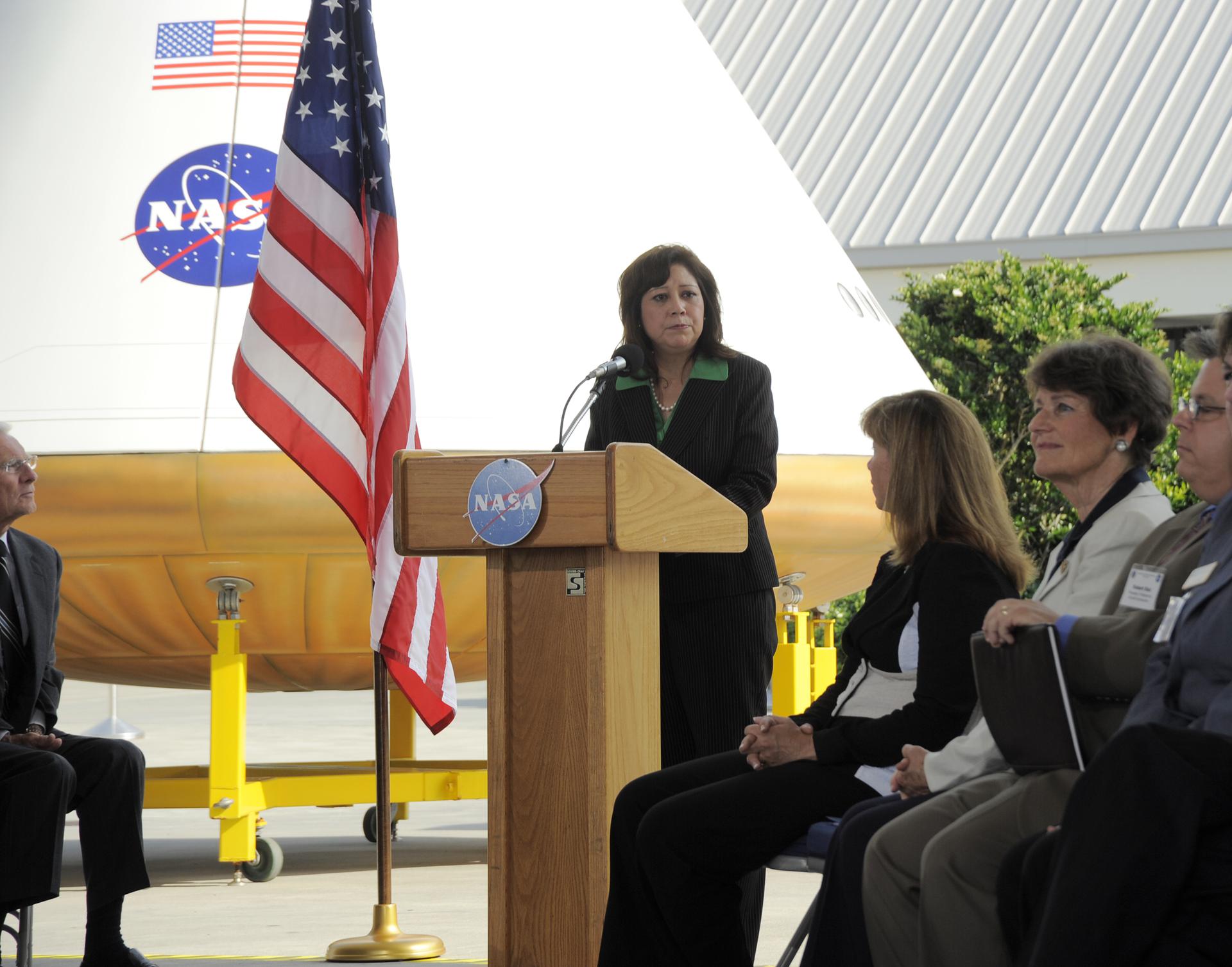
Operational Briefing: NSTGRO 2026 Strategy
NASA’s Space Technology Mission Directorate (STMD) has updated its roadmap for the 2026 Space Technology Graduate Research Opportunities (NSTGRO) cycle. According to NASA Breaking News, the agency is prioritizing technical breakthroughs required to sustain the next decade of deep-space operations, including the Artemis lunar campaign and the DAVINCI mission to Venus.
//Strategic R&D Verticals
The initiative focuses on critical infrastructure development across several key domains. These include advanced manufacturing and materials capable of surviving extreme planetary environments, and high-efficiency propulsion systems for long-duration transit. The agency is also emphasizing advancements in autonomous robotics and high-performance computing to reduce mission latency during deep-space exploration.
//Current Mission Integration
Integration of new technology remains a core objective. While the SpaceX Crew-13 mission prepares for standard orbital transit, future NSTGRO-funded researchers will address the more volatile challenges faced by missions like DAVINCI. That probe recently completed critical heat-shield testing to endure the atmospheric pressures of Venus, a feat that highlights the necessity of the materials research championed by the NSTGRO program.
//Milestone Tracking
NASA also confirmed that the Hubble Space Telescope has reached new operational milestones in its search for elusive supernovae, proving that legacy hardware continues to provide essential data. However, the NSTGRO 2026 cycle is explicitly designed to transition from legacy systems toward next-generation solutions for the Kuiper Belt, the Oort Cloud, and beyond. Academic institutions are encouraged to align their research proposals with these specific STMD technological roadmaps to ensure mission viability in the 2030s.