NASA Swift Mission Extends Operational Lifespan Through High-Altitude Re-boost
NASA engineers have successfully completed a multi-stage orbital adjustment of the Swift Observatory, utilizing atmospheric drag and precise thruster burns to extend the mission's science window through 2035.
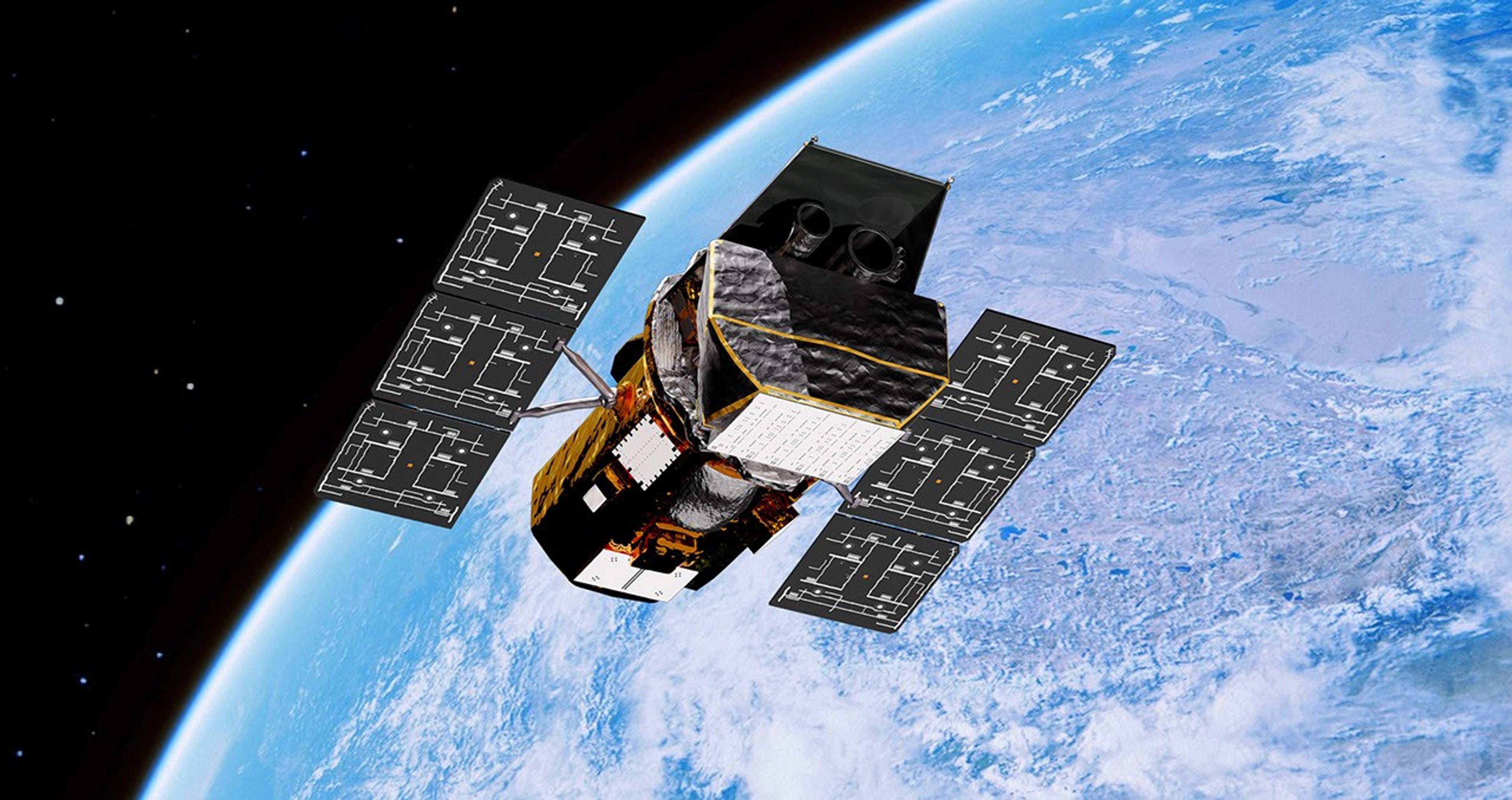
# Orbital Correction Success for Swift Observatory
NEIL GEHRELS SWIFT OBSERVATORY — Mission controllers have finalized a critical orbital maintenance operation aimed at preserving the long-term scientific output of the Neil Gehrels Swift Observatory. According to NASA Breaking News, the Agency has successfully completed the "Swift Boost" mission, an initiative designed to counteract atmospheric drag and elevate the spacecraft’s altitude to ensure stability into the next decade.
Tactical Maneuvers
Launched in 2004, Swift was beginning to succumb to the natural decay of its low-Earth orbit (LEO). To mitigate re-entry risks and hardware degradation, engineers executed a series of calculated thruster ignitions. This re-boost maneuver was not without risk; the spacecraft's aging propulsion hardware and fuel reserves required precise management to avoid catastrophic system failure. The operation was managed by the Goddard Space Flight Center, focusing on maximizing scientific longevity while maintaining strictly regulated orbital parameters.
Scientific Implications
The altitude adjustment ensures that Swift remains in a stable position to detect gamma-ray bursts (GRBs)—the universe’s most powerful explosions. By extending the mission's operational life to approximately 2035, the international scientific community retains a crucial asset for multi-messenger astronomy. Swift’s ability to rapidly pivot and observe transient phenomena remains unmatched, providing vital data to ground-based observers across Europe and the globe.
Operational Lessons
NASA highlights several "lessons learned" from the Boost mission, particularly regarding the performance of heritage hardware under high-stress maneuvers. Data gathered during the burns will inform future end-of-life strategies for similar LEO assets. The observatory is now back to full science operations, monitoring the high-energy sky with renewed orbital stability.