NASA Stress-Tests Ultra-Efficient Wing Architectures
Engineers at NASA’s Armstrong Flight Research Center are pushing high-aspect-ratio wings to their physical breaking point to validate the next generation of fuel-efficient aircraft.
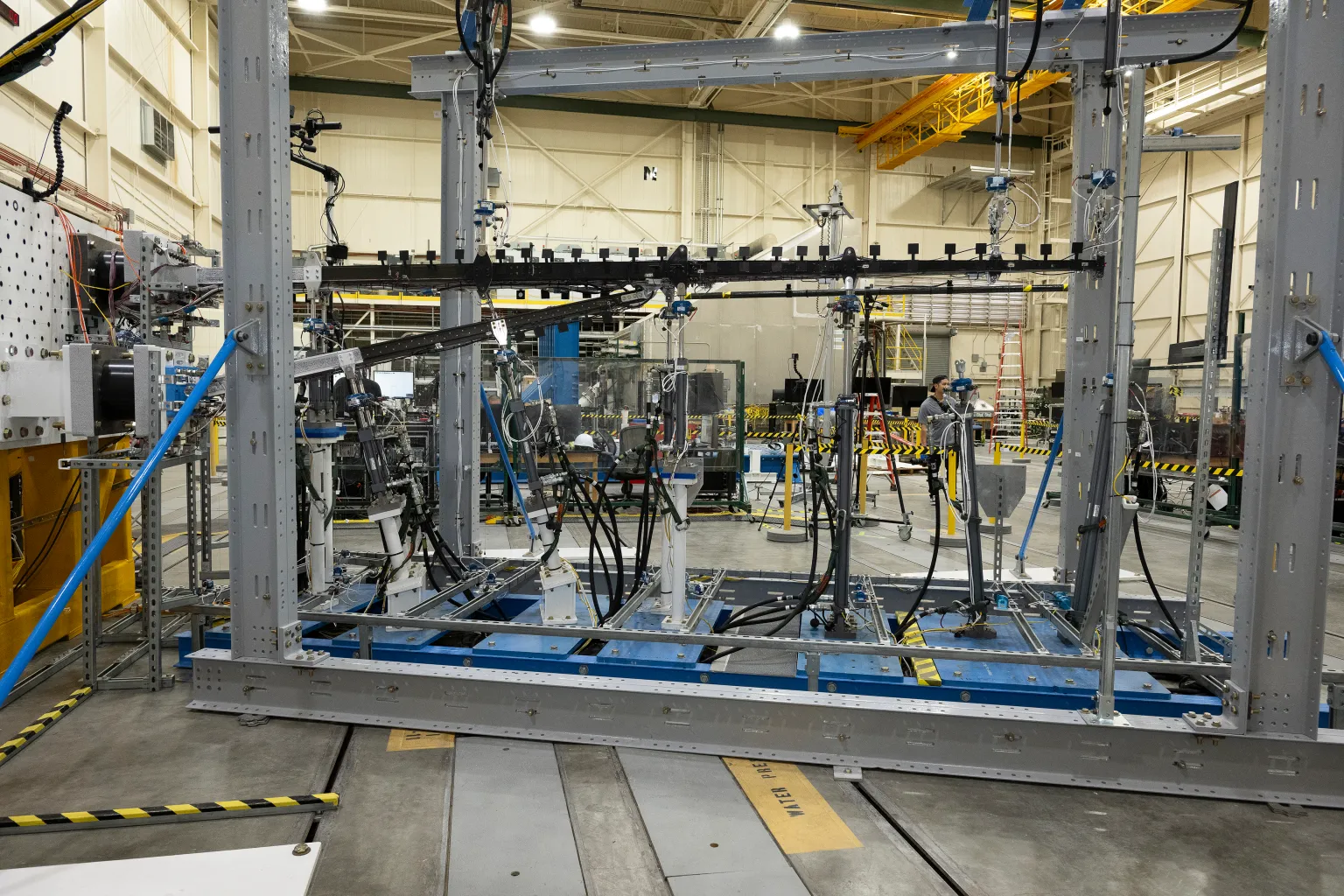
Structural Validation Underway
Navigation toward next-generation aviation efficiency requires confronting the structural limits of current material science. According to NASA Breaking News, engineers at the Armstrong Flight Research Center have commenced rigorous structural testing on a high-aspect-ratio wing design. This architecture, characterized by its long, thin profile, is central to reducing aerodynamic drag and improving fuel economy for future transients.
The Failure Threshold
Testing protocols involve the application of extreme mechanical loads to the wing components. The objective is not merely to observe performance, but to verify the precision of computational models by pushing the hardware to the point of catastrophic failure. By reaching these structural limits, NASA can calibrate the predictive software used to design future Sustainable Flight Demonstrators.
Data Acquisition
The test rig utilizes advanced sensors to monitor strain, deflection, and fiber-optic data in real-time. This high-fidelity telemetry allows researchers to identify micro-fractures and stress concentrations before the final structural collapse. According to NASA, this empirical data is vital for certifying lightweight composite structures that must survive extreme turbulence while maintaining a flexible, high-efficiency geometry.
Standardising these failure models ensures that future airframes—potentially including those developed within the ESA ecosystem—can utilize thinner, longer wings without compromising passenger safety or vehicle integrity. The current test phase is a critical milestone in the transition from theoretical carbon-reduction goals to flight-ready hardware.