NASA SkyFall Hardware Undergoes Critical Antenna Testing
Hardware for NASA’s upcoming SkyFall mission has entered anechoic chamber testing to ensure signal integrity and system resilience for its upcoming orbital deployment.
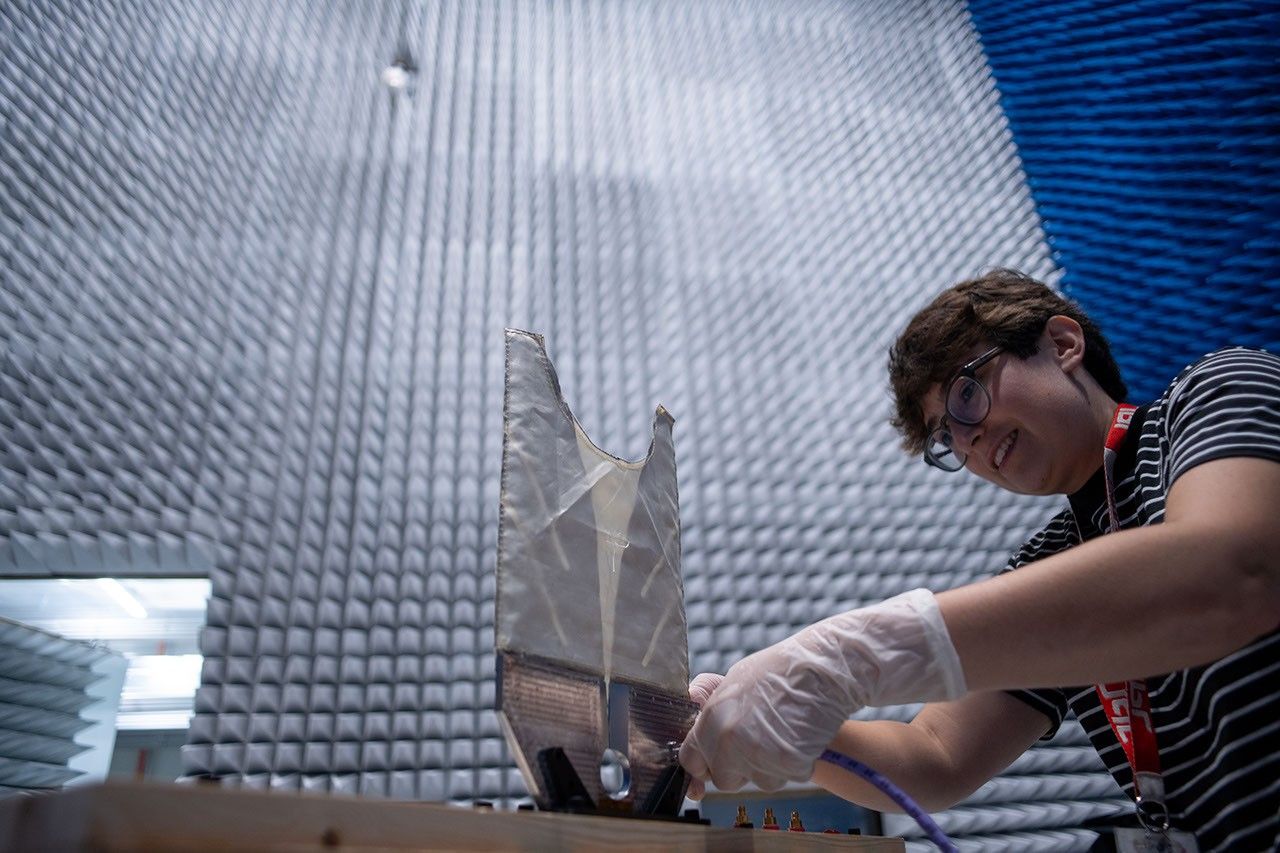
Hardware Calibration: SkyFall Phase
NASA has initiated critical antenna characterization for the SkyFall mission, a deployment focused on high-stakes orbital data collection. According to NASA Breaking News, engineers have moved the mission’s primary communication hardware into specialized testing facilities to verify performance parameters before the spacecraft leaves the atmosphere.
Anechoic Verification
The current testing phase utilizes an anechoic chamber—a room designed to completely absorb reflections of electromagnetic waves. This environment allows the SkyFall team to measure the antenna's radiation patterns and gain without terrestrial interference. Ensuring the signal remains focused and robust is essential for a mission designed to operate in the harsh electromagnetic climate of Low Earth Orbit (LEO).
Mission Context
While specific payload details remain high-clearance, the SkyFall mission represents a significant step in NASA's current technology demonstrator roadmap. The mission joins a busy manifest that includes the Artemis lunar initiatives and the expansion of the International Space Station’s commercial capabilities. According to NASA Breaking News, the successful calibration of these antennas is a prerequisite for the next stage of vehicle integration.
If the hardware meets the required decibel thresholds and signal-to-noise ratios during these trials, the mission will proceed to environmental stress testing. For now, the focus remains on the invisible architecture of the mission: the data links that will connect SkyFall to the ground stations back on Earth.