NASA Selects Eight Bio-Physical Research Proposals for Deep Space Ops
NASA’s Biological and Physical Sciences division has awarded funding for eight new research projects focused on crop optimization and astronaut physiology to sustain long-duration lunar and Martian missions.
Protocol Update: Deep Space Sustainment
NASA’s Biological and Physical Sciences (BPS) division is shifting its focus toward the logistical and biological realities of long-term survival beyond Low Earth Orbit (LEO). According to NASA Breaking News, the agency has greenlit eight new research proposals designed to mitigate the risks inherent in the Artemis missions and eventual transit to Mars.
Crop Optimization in Microgravity
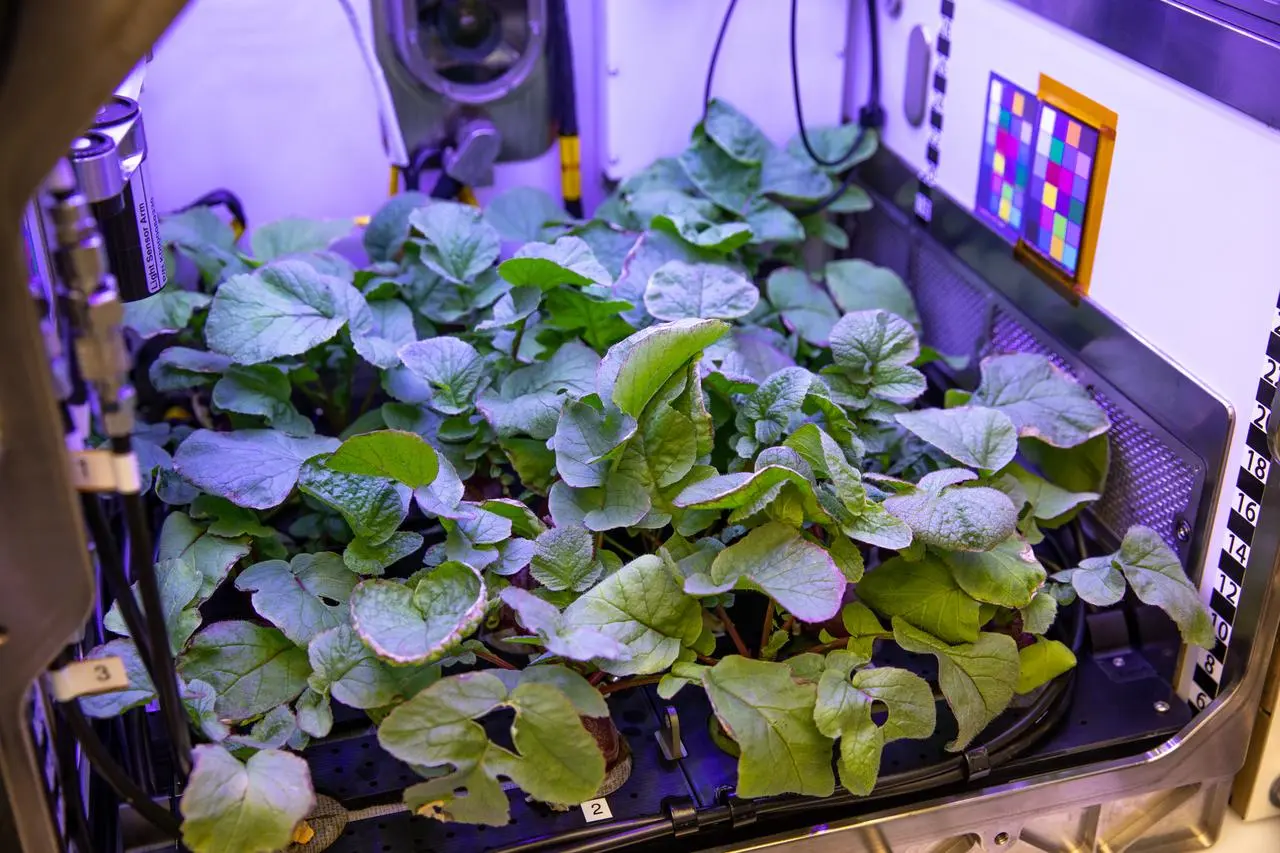
A primary vector of this research concerns orbital agriculture. The selected projects aim to refine hydroponic and aeroponic systems, ensuring that future crews can maintain nutritional self-sufficiency. Engineers are tasked with developing resilient plant strains that can thrive despite high radiation levels and reduced gravitational forces. The goal is to move beyond experimental gardens toward a reliable, automated food production infrastructure.
Human Physiological Resilience
The second pillar of these proposals addresses the human factor. Prolonged exposure to the space environment induces significant physiological shifts, including bone density loss and altered fluid dynamics. These studies will investigate the cellular mechanisms of these changes, seeking countermeasures to ensure crew viability during multi-year deployments. Data gathered from these investigations will directly inform the design of medical protocols for the Lunar Gateway and Mars-bound vessels.
Strategic Alignment
These awards represent a targeted effort to bridge the gap between current orbital capabilities and the requirements of deep space exploration. By prioritizing biological stability and physical health, NASA is laying the technical foundation for permanent off-world habitats. The integration of these findings into the Artemis framework remains a high-priority directive for the agency’s science mission directorate.