NASA SCRAPS DRAPER MISSION OVER DELAYS
NASA has terminated its $73 million CLPS task order with Draper after redesigns pushed the expected lunar landing date to 2030.
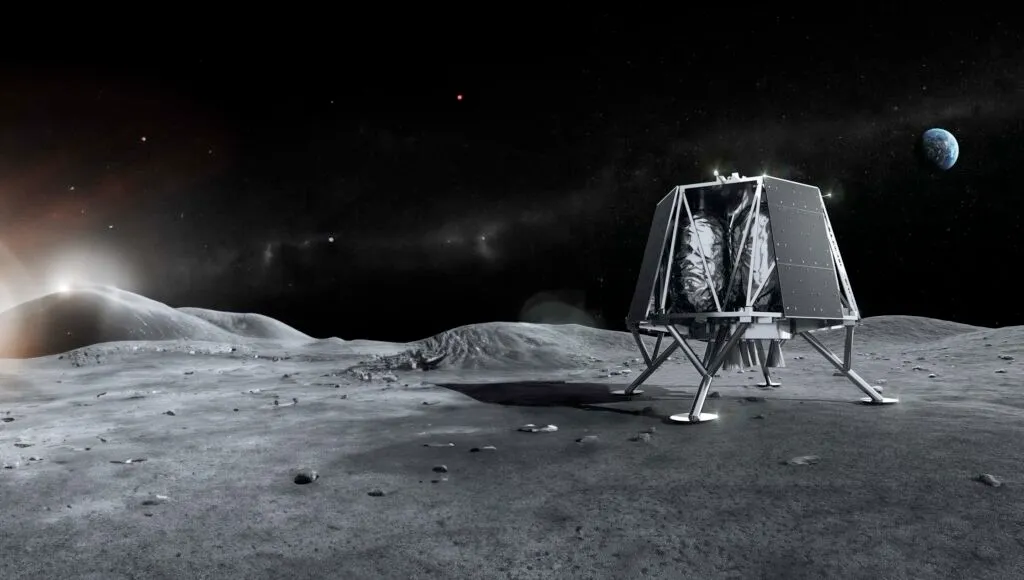
MISSION TERMINATED
NASA has officially pulled the plug on its lunar lander mission with Draper, citing intractable development delays. According to SpaceNews, the agency and Draper mutually agreed to terminate task order CP-12, a Commercial Lunar Payload Services (CLPS) contract awarded in 2022. The mission was originally valued at $73 million, with $43 million already paid to Draper for completed milestones.
CHRONIC DE-ORBIT
The mission’s projected touchdown has suffered from severe timeline drift. Early goals targeted a 2025 launch, but successive redesigns from subcontractor ispace-U.S. pushed the window to 2026, then 2027 following engine changes. In early 2024, a consolidation of Japanese and American business units led to a final delay into 2030 or 2031—a timeline NASA deemed unacceptable. NASA officials stated that future milestones were projected to take years to complete, necessitating the cancellation.
PAYLOAD STATUS
The termination strands three critical experiments destined for the lunar far side’s Schrödinger Basin:
- Farside Seismic Suite (FSS): Precision seismometers.
- LITMS: Thermal and electrical conductivity measurements.
- LuSEE-Lite: Electromagnetic field sensors.
NASA confirms it remains committed to these science objectives and will seek alternative transport through future CLPS missions. However, finding a lander capable of far-side operations remains a logistical hurdle.
SYSTEMIC RISKS
This is not the first failure in the CLPS risk-sharing model, following the previous exits of Orbit Beyond and Masten Space Systems. While Draper's subcontractor ispace-U.S. claims it remains dedicated to the American market via its new 'Ultra' lander design, the CP-12 task order is officially void.