NASA PROMISE: High Price Tag for Repurposed Mars Hardware
A proposal to convert Mars rover test models for lunar exploration faces skepticism as cost estimates climb above $1 billion, sparking a debate between rapid hardware reuse and scientific budget priorities.
Terminal Feed: Mission PROMISE Analysis
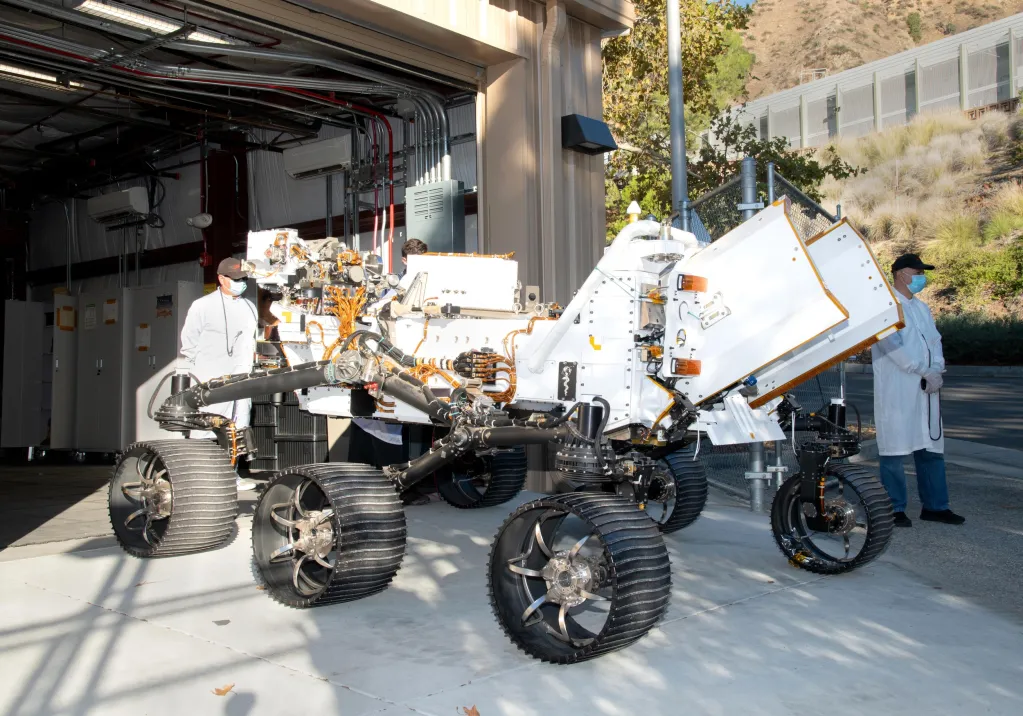
NASA Administrator Jared Isaacman is pushing a strategy to "raid the pantry" of existing hardware to accelerate lunar surface operations. The centerpiece of this initiative is PROMISE (Polar Rover for Observation, Mapping and In-Situ Exploration), a mission designed to repurpose engineering models of the Curiosity and Perseverance Mars rovers for the lunar south pole.
While leadership suggests that utilizing existing chassis like OPTIMISM offers a fast-track to the Moon, independent assessments indicate the path is neither cheap nor immediate. According to SpaceNews, an analysis by The Planetary Society estimates the conversion and launch costs between $723 million and $1.33 billion. The report suggests the rover would likely not be flight-ready until the early 2030s.
Hardware Constraints
The conversion requires more than a simple software patch. Critical issues include:
- Power Systems: The mission would consume NASA’s last spare radioisotope thermoelectric generator (RTG), potentially cancelling future deep-space science missions.
- Space-Rating: The OPTIMISM model lacks flight-certified communications, radiation shielding, and scientific instrumentation.
- Mission Risk: Stripping testbeds from Mars operations removes the primary diagnostic tool for the rovers currently active on the Red Planet.
Isaacman has rejected the billion-dollar price tag, stating that if costs exceed 20% of the low-end estimate, the project will be scrapped. He maintains that utilizing decaying Plutonium-238 fuel and existing hardware is a necessary gamble to "put wins on the board" for the Moon Base initiative. However, the planetary science community remains concerned that PROMISE will divert funding from established priorities and delay the next New Frontiers mission cycle.