NASA Outlines Uncrewed Test Protocols for Artemis III Lunar Access
NASA details the rigorous uncrewed demonstration flight required for the Starship Human Landing System before astronauts return to the lunar surface. The mission will stress-test orbital docking and deep-space cryogenic propellant transfer.
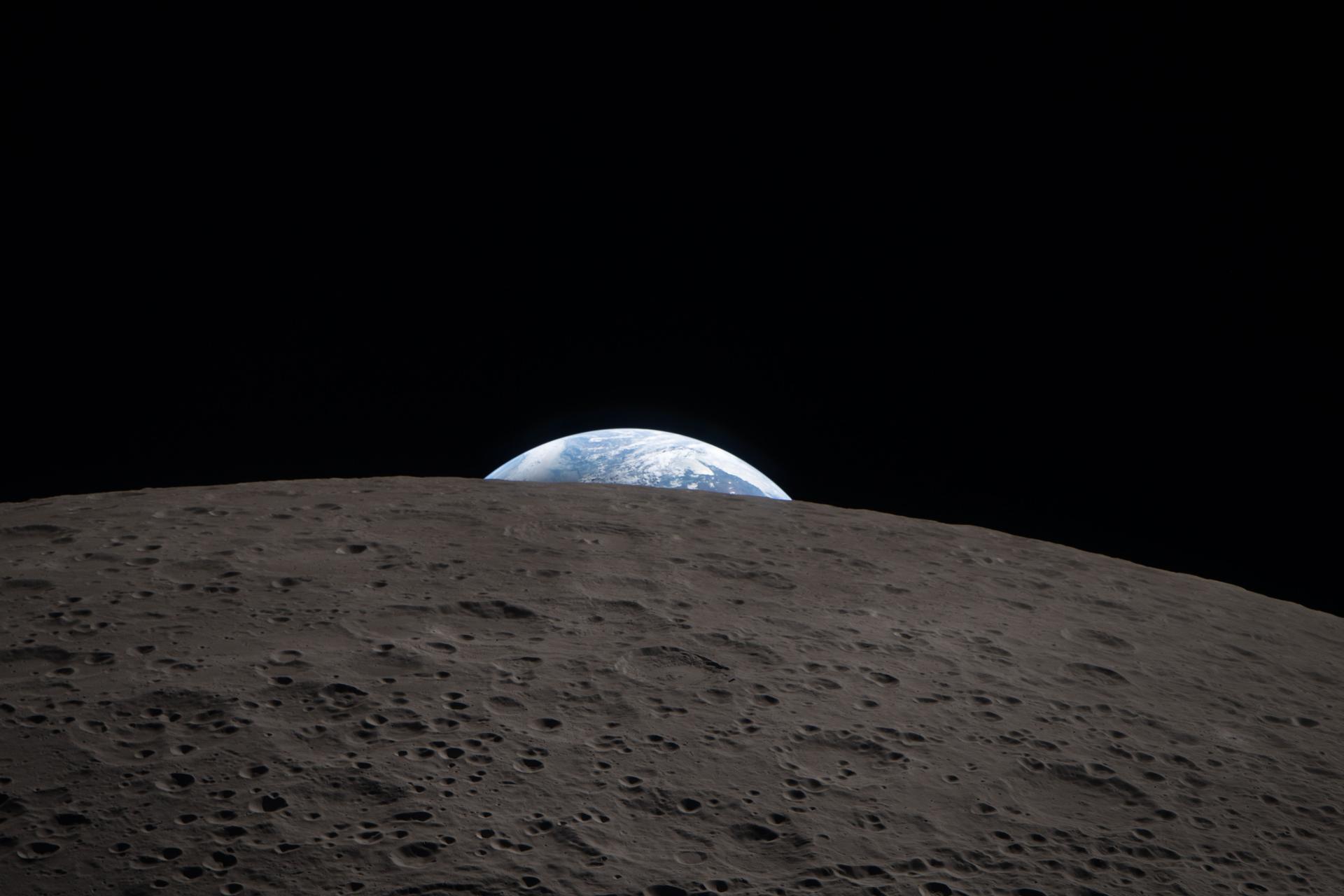
Systems Verification: The Artemis III HLS Pre-Flight
In preparation for the first crewed lunar landing since 1972, NASA is implementing an exhaustive uncrewed flight test regime to qualify the Human Landing System (HLS). According to NASA Breaking News, SpaceX’s Starship HLS must complete a full-scale demonstration in the lunar environment before human operators are permitted to board for the Artemis III mission.
//Operational Parameters
The test sequence is designed to validate several high-risk maneuvers. Primary among these is the successful execution of an orbital fuel transfer in Earth-orbit, followed by a trans-lunar injection. The uncrewed Starship must navigate to a Near-Rectilinear Halo Orbit (NRHO), the staging ground for subsequent crewed operations. This phase is critical to ensuring the vessel can maintain life-support standards and structural integrity during the transit through deep space.
//Lunar Surface Demands
Upon reaching lunar proximity, the HLS must demonstrate autonomous precision landing within the South Pole region. This terrain presents extreme lighting conditions and thermal gradients, necessitating high-performance sensor suites and propulsion control. The uncrewed vehicle will serve as a definitive proof-of-concept for the descent and ascent stages, confirming that the technology can safely ferry astronauts from the Orion spacecraft to the lunar regolith and back.
By executing this end-to-end verification, NASA aims to mitigate risks associated with cryogenic fluid management and autonomous navigation, ensuring that the hardware is battle-hardened for human occupancy.