NASA Intensifies Research into Supercooled Droplet Risks
New atmospheric research initiatives at NASA are targeting Supercooled Large Droplet (SLD) icing, a critical aviation hazard that threatens aerodynamic stability during flight.
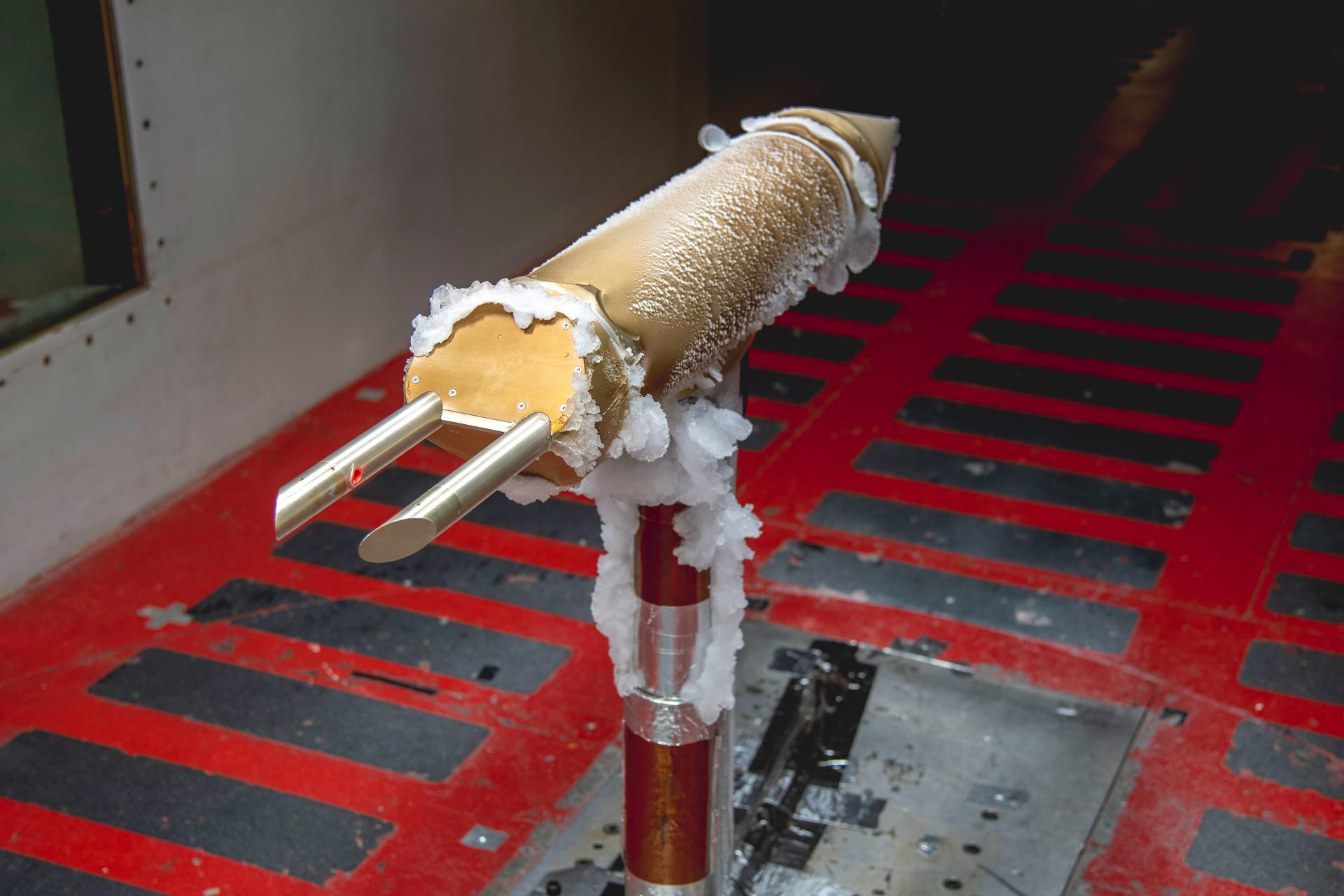
Atmospheric Threat Mitigation
Recent data from NASA Breaking News confirms that the agency has initiated a specialized testing campaign to address the safety risks associated with Supercooled Large Droplets (SLD). These atmospheric conditions present a severe hazard to airframes and propulsion systems, as liquid water maintains a fluid state despite being well below freezing temperatures.
The Physics of SLD Icing
Standard icing occurs when small droplets freeze immediately upon contact with an aircraft’s leading edges. However, SLD involves larger liquid masses that do not crystallize instantly. Upon impact, these droplets flow further back along the wing and tail surfaces before freezing, forming irregular ice ridges that degrade lift and increase drag. This phenomenon can bypass traditional de-icing systems designed for smaller particles, leading to unpredictable aerodynamic behavior.
Operational Objectives
NASA’s research aims to refine detection methods and defensive technologies. By simulating these specific atmospheric conditions in controlled environments, engineers are working to define the exact parameters of SLD formation. The objective is to provide pilots and autonomous flight systems with better predictive data to avoid high-risk zones. This testing cycle is vital for the development of next-generation certification standards for both commercial and experimental airframes operating in cold-weather corridors.