NASA Greenlights SSPICY Mission for Autonomous In-Orbit Inspection
NASA's upcoming SSPICY mission will deploy a CubeSat to demonstrate autonomous proximity maneuvers and detailed characterization of space debris, marking a shift toward active orbital debris management.
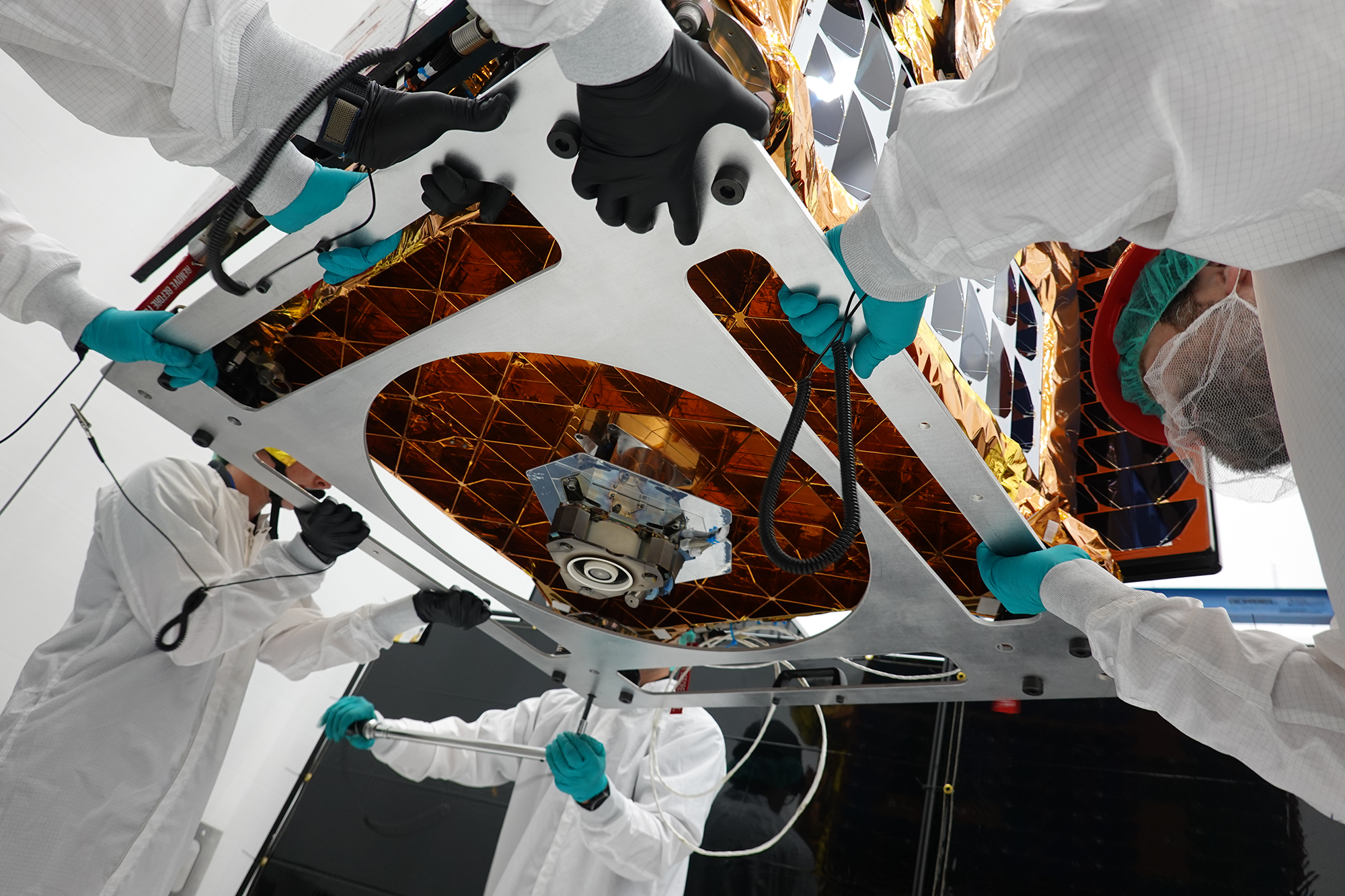
Mission Parameters: Project SSPICY
NASA is shifting its focus toward active orbital debris management with the newly announced SSPICY (Stopping Star-formation and Proximity Inspection CubeSat Yield) mission. According to NASA Breaking News, the agency has selected a small-satellite mission to demonstrate high-precision autonomous inspection of defunct orbital assets.
Operational Objectives
The primary mission objective involves a CubeSat identifying and approaching a pre-existing piece of space debris to perform a 'close-look' characterization. Unlike previous passive monitoring, SSPICY aims to validate technologies required for In-Space Servicing, Assembly, and Manufacturing (ISAM). The mission will utilize advanced sensors and computer vision to navigate within close proximity of a non-cooperative target—meaning an object that provides no active telemetry or docking assistance.
Technical Significance
By gathering high-resolution data on the physical condition, rotation, and degradation of debris, NASA intends to build a foundational dataset for future debris removal efforts. The mission is managed by NASA’s Ames Research Center and represents a critical step in maintaining the long-term sustainability of the Low Earth Orbit (LEO) environment. As orbital lanes become increasingly congested, the ability to autonomously inspect and eventually relocate derelict hardware is no longer optional; it is a tactical necessity for continued space operations.
The SSPICY mission will test the limits of miniaturized propulsion and autonomous navigation, providing the technical blueprint for a fleet of inspection drones that could monitor the structural health of critical space infrastructure without human intervention.