NASA Greenlights CAPSTONE 2: Advancing Lunar Navigation Systems
NASA has confirmed a follow-up technology demonstration mission to the Moon, building on the CAPSTONE initiative to refine small-satellite navigation within the lunar gravity well.
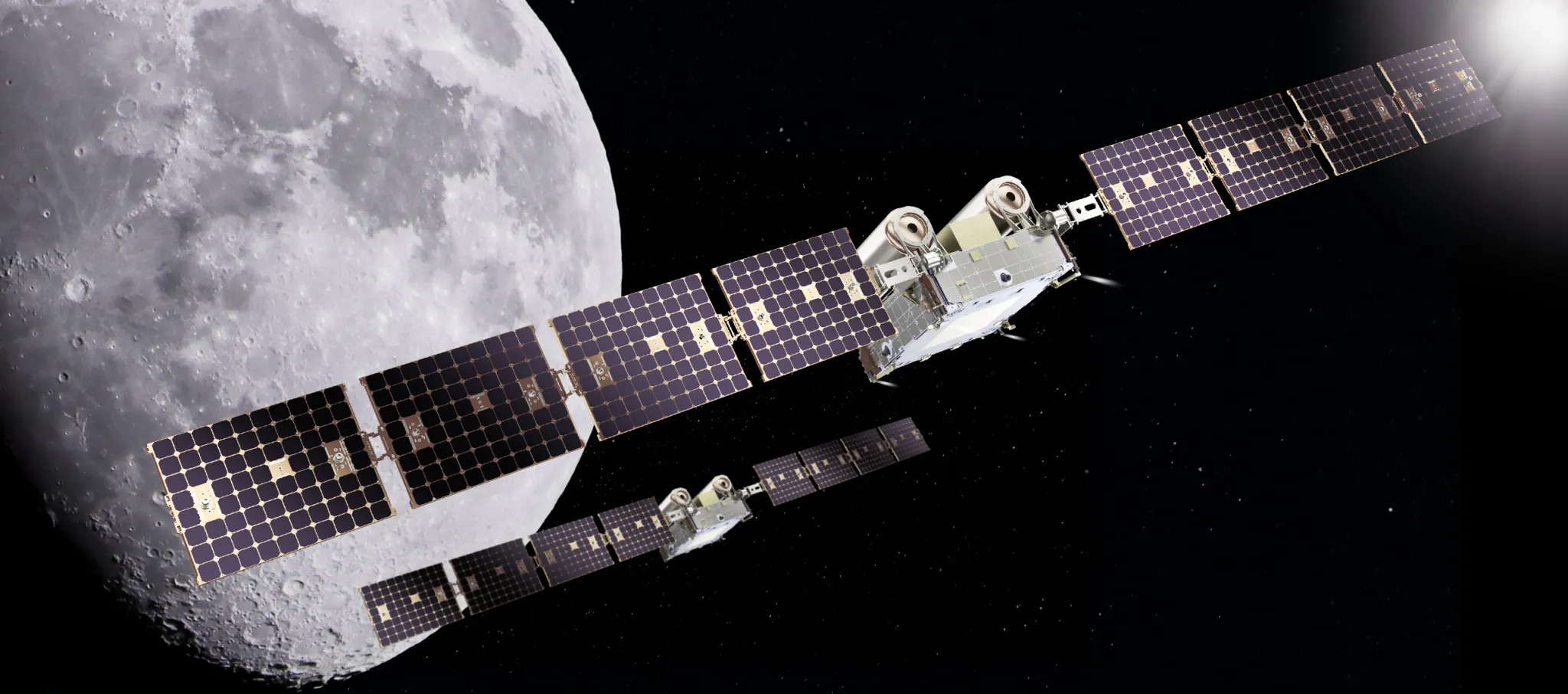
Mission Parameters: CAPSTONE 2
According to NASA Breaking News, the agency has formalized plans for a new spacecraft technology demonstration aimed at enhancing lunar orbital operations. This mission serves as a direct successor to the original CAPSTONE (Cislunar Autonomous Positioning System Technology Operations and Navigation Experiment) initiative, utilizing small-satellite architecture to validate precision maneuvers near the Moon.
Technical Objectives
The primary focus of the demonstration is the continued testing of autonomous positioning technologies. By operating in the complex Near-Rectilinear Halo Orbit (NRHO)—the same orbital path prioritized for the upcoming Gateway lunar station—NASA aims to reduce reliance on ground-based tracking. This orbital environment is characterized by its high stability and unique gravitational balance between the Earth and the Moon, making it a critical hub for future deep-space logistics.
Strategic Implementation
The mission will leverage CubeSat platforms to prove that low-cost, high-efficiency hardware can perform mission-critical data relay and navigation tasks. CAPSTONE 2 is expected to refine the Cislunar Autonomous Positioning System (CAPS) software, enabling spacecraft to determine their location without constant terrestrial intervention. This autonomy is essential for high-frequency traffic anticipated under the broader Artemis framework.
Operational Outlook
As the lunar economy scales, these demonstrations provide the foundational data required for multi-vehicle coordination. The mission reinforces a shift toward decentralized orbital management, ensuring that both crewed and uncrewed assets can maintain operational integrity in the lunar vicinity with minimal latency.