NASA Explores Robotically Assembled Metamaterials for Long-Range Surveillance
A new NASA NIAC study investigates the use of autonomous swarm robotics to construct massive electromagnetic metamaterials for enhanced space situational awareness.
# DEEP SPACE SURVEILLANCE: ROBOTIC METAMATERIALS
STATUS: INVESTIGATION UNDERWAY
According to NASA Breaking News, the space agency is exploring a radical shift in long-range Space Situational Awareness (SSA). The project centers on the robotic assembly of electromagnetic metamaterials to create massive, high-performance sensing apertures from orbit.
The Problem: Detection Limits
Current ground-based and orbital monitoring systems face resolution limits when tracking small objects or distant debris. Traditional solid apertures are restricted by launch vehicle mass and volume. To survive the increasingly crowded orbital environment, operators require a new generation of deep-space eyes.
The Solution: Autonomous Assembly
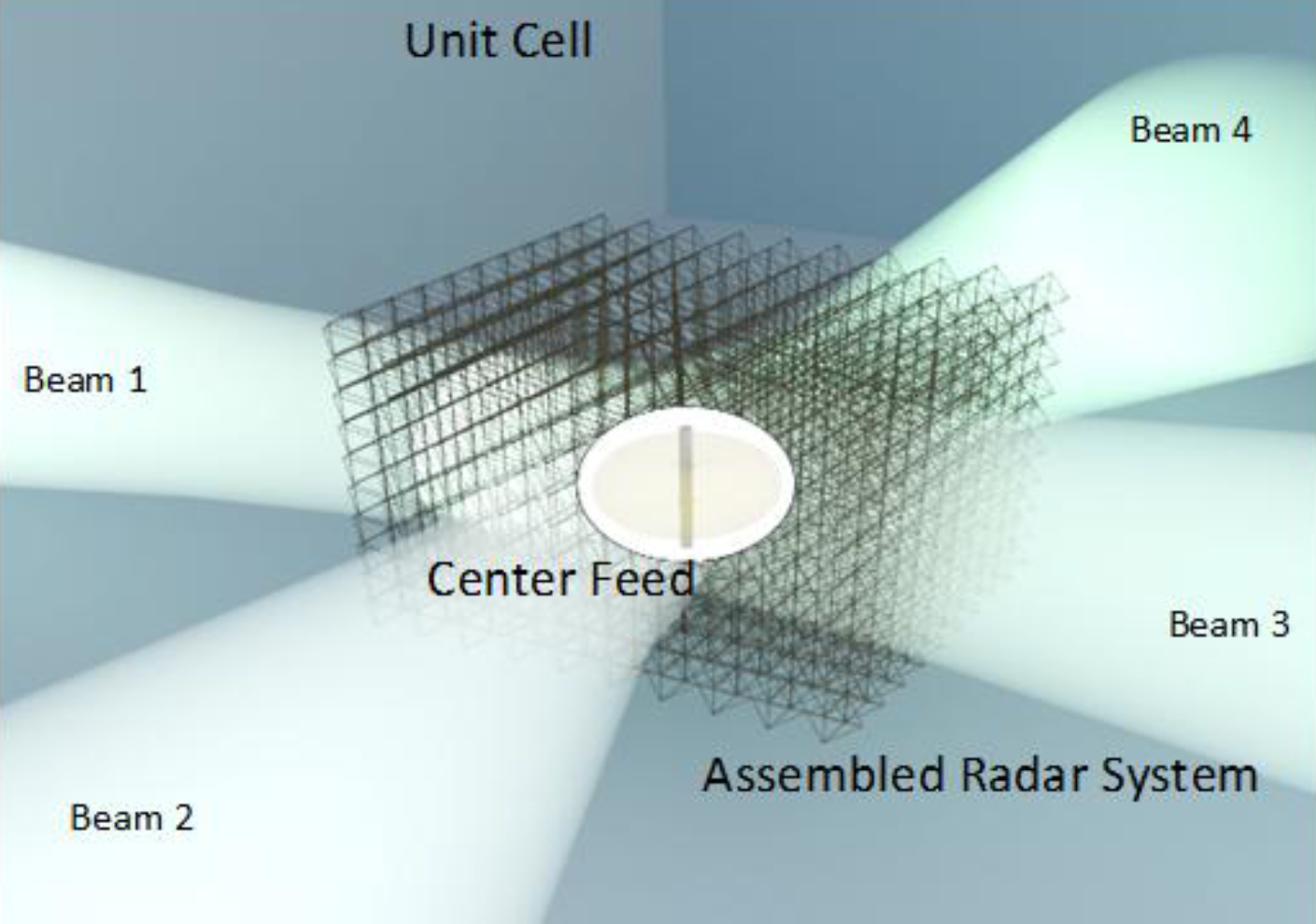
The NASA-funded NIAC study proposes utilizing swarms of autonomous robots to construct large-scale structures in situ. By moving away from monolithic mirrors and antennas, the project focuses on metamaterials—engineered substances capable of manipulating electromagnetic waves in ways natural materials cannot.
Operational Parameters
- Scalability: Robotic swarms can assemble arrays far larger than any single-launch payload.
- Precision: Metamaterial structures allow for extreme sensitivity and beam-steering without moving mechanical parts.
- Mission Profile: The technology is intended for long-range surveillance, tracking silent or small-cross-section targets across vast distances.
This architecture bypasses the "tyranny of the fairing," allowing the deployment of sensors measuring hundreds of meters across. By assembling these arrays in microgravity, NASA aims to secure a permanent, high-resolution vantage point over the cis-lunar environment and beyond.