NASA Expands Artemis III Science Manifest for Lunar Base Operations
NASA has finalized three new science investigations for the Artemis III mission, focusing on lunar seismology, plant biology, and volatile measurement to support long-term human presence.
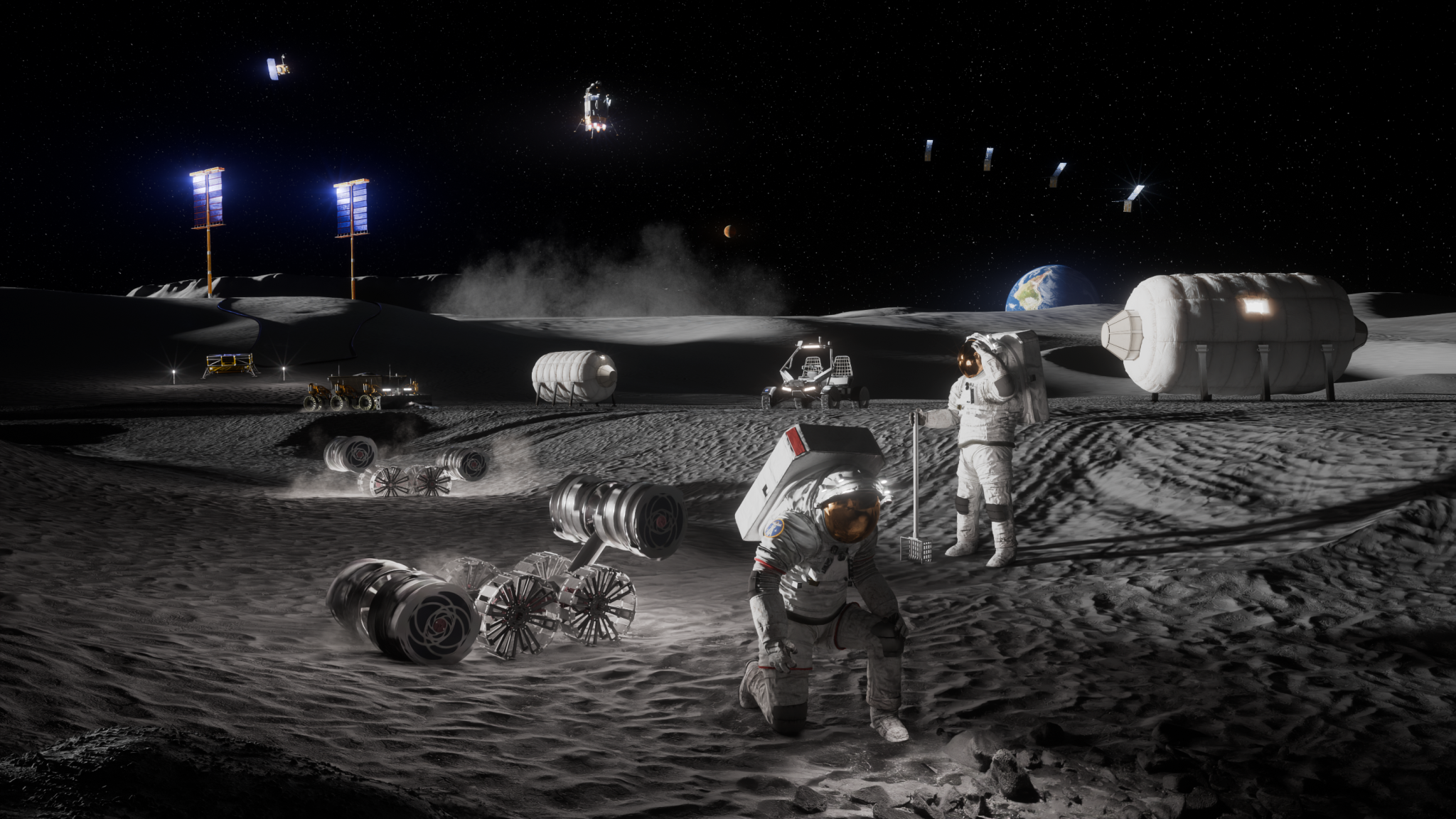
# LUNAR LOGISTICS UPDATE: ARTEMIS III SCIENCE SUITE EXPANDED
Operational directives for the Artemis III mission have been updated with a primary focus on long-duration sustainability. According to NASA Breaking News, the agency has integrated three new science investigations designed to evaluate the physical and biological challenges of the lunar south pole.
Primary Research Deployments
1. Lunar Effects on Agricultural Flora (LEAF): This experiment will analyze how the lunar surface environment—characterized by low gravity and high radiation—impacts plant photosynthesis, growth, and systemic stress responses. Data collected will be critical for future closed-loop life support systems.
2. Lunar Dielectric Analyzer (LDA): This instrument is tasked with measuring the ability of lunar regolith to propagate electric fields. Specifically, it will scan for subsurface ice and volatiles, essential resources for fuel and life support in permanent lunar habitats.
3. Lunar Environment Monitoring Station (LEMS): A long-term autonomous seismometer suite designed to survive the harsh lunar night. LEMS will monitor ground motion and 'moonquakes' to characterize the crustal structure and geological activity near the south pole.
Mission Context
Artemis III marks the return of human boots to the lunar surface for the first time in over five decades. Unlike the Apollo era, these investigations are focused on identifying localized resources and validating biological survival strategies. These instruments represent a shift from purely exploratory science to infrastructure-building research. The agency confirms that these payloads were selected for their ability to function within the restricted weight and power envelopes of the Artemis III landing module while maximizing data return for the projected Lunar Gateway ecosystem.