NASA Estimates $2B for Nuclear-Powered Mars Transit
NASA signals a shift toward nuclear propulsion with the $2B SR-1 Freedom mission, aiming for a late 2028 launch to deliver scout helicopters to the Martian surface.
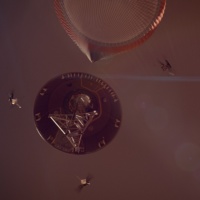
NASA has finalized a $2 billion price tag for Space Reactor-1 (SR-1) Freedom, its first fission-powered interplanetary spacecraft. According to Payload, the mission is currently slated for a late 2028 launch window.
SR-1 Freedom serves as the primary transport for SkyFall, a pair of advanced Martian helicopters designed to scout landing sites for future manned exploration and map subsurface ice. Unlike its predecessor, Ingenuity, SkyFall will deploy mid-air after an orbital release from SR-1, operating independently without the need for a rover-based communications relay.
Budgetary Reallocation
To fund the ambitious project, NASA is cannibalizing existing programs. Funds are being diverted from the FY27 budget and the 2025 Working Families Tax Cut Act, which originally allocated $2.6 billion to the now-paused Lunar Gateway station. A document viewed by POLITICO breaks down the fiscal requirements:
FY26: $640M
FY27: $890M
FY28: $415M
FY29: $180M
Notably, these figures exclude SkyFall costs. NASA expects to source additional funding from its science directorate, despite concerns from researchers that this may starve other Mars research missions.
Technical Efficiency
To minimize development overhead, Associate Administrator Lori Glaze confirmed that SR-1 will repurpose the Gateway's Power and Propulsion Element (PPE). The agency is partnering with the Department of Energy to leverage national lab expertise for the reactor's assembly.
Industry observers remain skeptical of the timeline. With only two years of primary development planned for a nuclear interplanetary asset—a pace usually reserved for small satellites—the agency faces a high-velocity engineering challenge to meet its late-decade window.