NASA Escalates Nationwide Aerospace Workforce Strategy
NASA has launched a comprehensive initiative to secure the future of the American aerospace sector, aiming to integrate STEM resources and diversify the talent pipeline for the Artemis era.
# STATUS: WORKFORCE INTEGRATION INITIATED
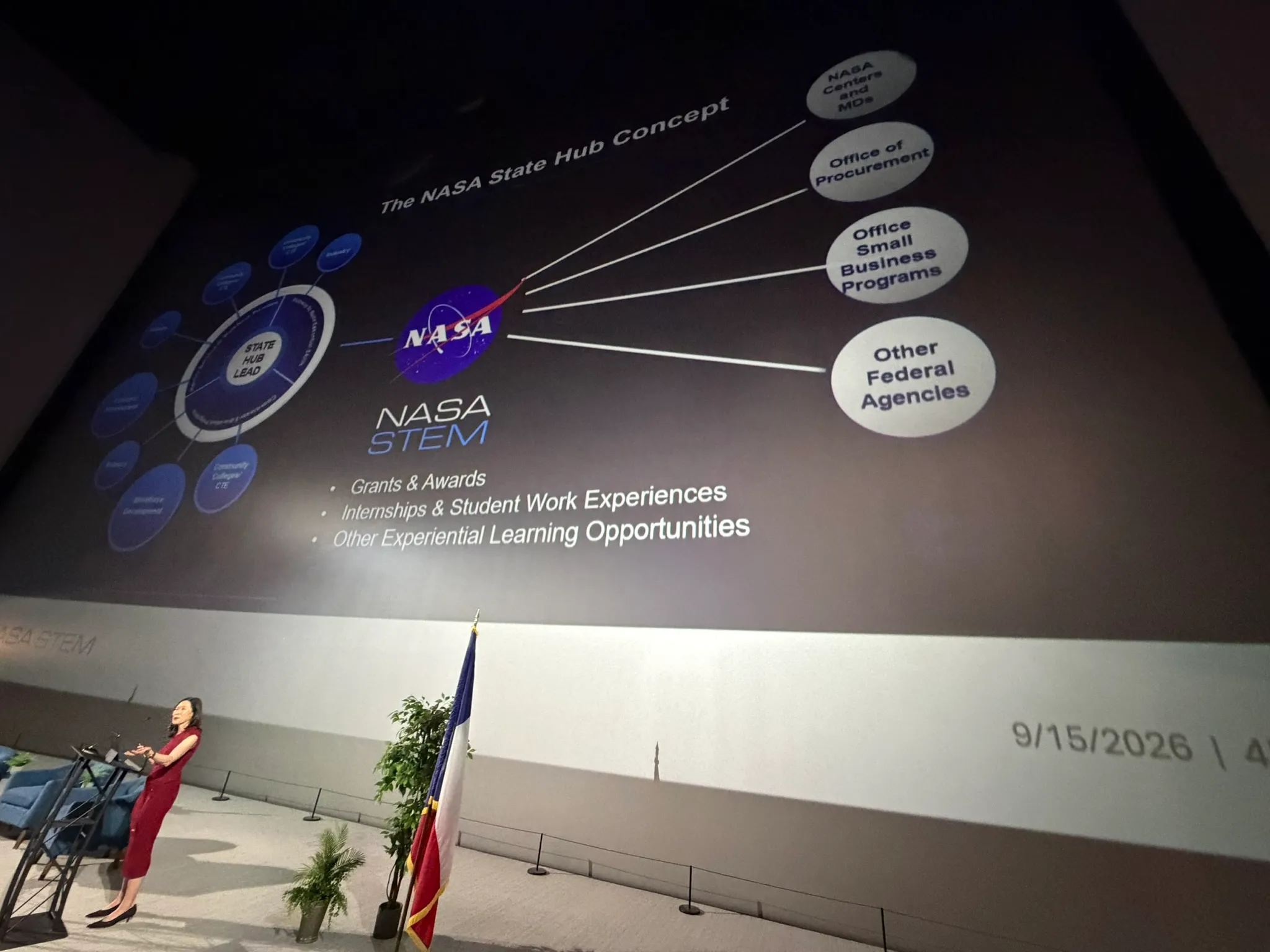
According to NASA Breaking News, the agency has launched a sweeping nationwide effort to fortify the next generation of aerospace personnel. This strategic mobilization is designed to bridge the gap between academic environments and the rigorous technical demands of the emerging space economy.
Objective: Artemis Generation Readiness
The initiative focuses on expanding access to Science, Technology, Engineering, and Mathematics (STEM) programs across all demographics. As the agency moves toward sustainable lunar operations via the Artemis missions and prepares for eventual Martian exploration, the requirement for a resilient, specialized labor force has reached critical levels. By centralizing learning resources and diversifying the talent pool, NASA aims to ensure the longevity of U.S. space leadership.
Sector Analysis and Resource Deployment
The project leverages a multi-tiered approach, targeting everyone from primary education students to post-doctoral researchers. Key components include:
- STEM Integration: Directing agency data and mission success metrics into educational curricula.
- Diversity Mandate: Actively recruiting from underserved communities to ensure a broad spectrum of technical perspectives.
- Infrastructure Support: Providing educators with the necessary tools to translate complex orbital mechanics and aeronautical engineering into actionable lessons.
This isn't merely an educational outreach program; it is a logistical necessity for the survival of the industry. The agency is positioning itself as the primary architect of a self-sustaining human capital ecosystem. Without a steady influx of engineers, data scientists, and technicians, the ambitious timelines for deep-space exploration remain at risk. NASA's current trajectory emphasizes that the hardware of the future is only as capable as the biological intelligence operating it.