NASA DEPLOYS VTE PREDICTION ALGORITHM FOR DEEP-SPACE BIOLOGICAL RISK
NASA's Office of the Chief Health and Medical Officer is formalizing a Venous Thromboembolism (VTE) risk score to mitigate blood clot hazards in microgravity for long-duration missions.
DATA FEED: MEDICAL SYSTEMS LOG
SOURCE: NASA Breaking News / OCHMO
STATUS: OPERATIONAL PROTOCOL
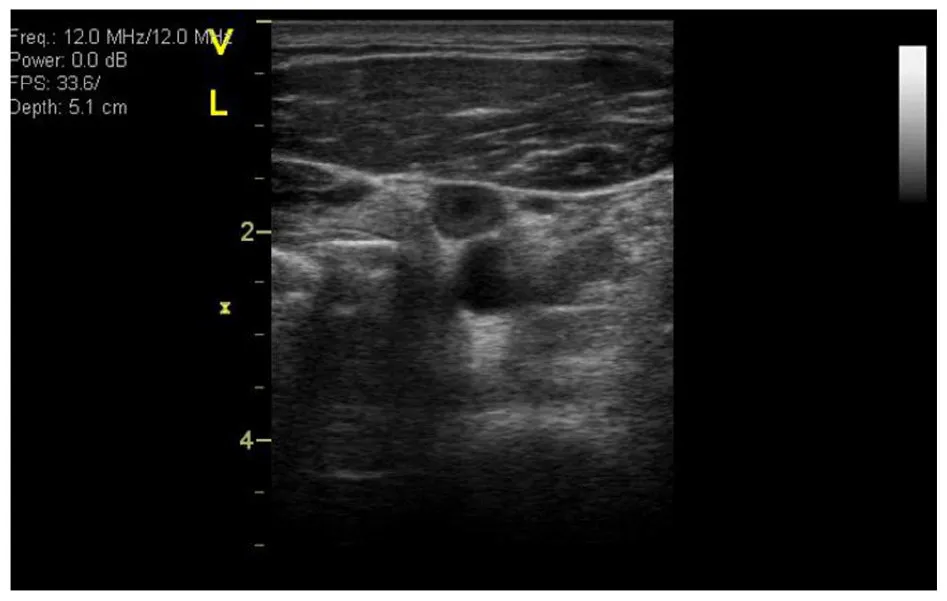
NASA has initiated the development of a precision algorithm to assess Venous Thromboembolism (VTE) risk for personnel operating in microgravity environments. The initiative, spearheaded by the Office of the Chief Health and Medical Officer (OCHMO), aims to quantify the physiological threat posed by deep-vein thrombosis during extended orbital and transit stays.
According to NASA Breaking News, the agency is establishing a specific VTE risk score that integrates multiple biological and environmental variables. While VTE is a known risk in terrestrial medicine, the shift in fluid dynamics experienced in microgravity—specifically the upward migration of body fluids toward the head and torso—creates unique circulatory stressors that standard clinical models may fail to predict accurately.
This algorithmic approach is designed to identify high-risk individuals before launch and monitor vascular health during missions. By formalizing this scoring system, mission surgeons and flight medical officers can implement targeted prophylactic measures, such as individualized exercise regimens or pharmacological interventions. As exploration targets shift toward the Moon and Mars, where medical evacuation is not an immediate option, the ability to predict and prevent vascular blockages is mission-critical. The project highlights a shift toward data-driven biological monitoring to ensure human hardware remains functional in the harsh vacuum of deep space.