NASA Data Review: Orbital Imaging Reveals Hidden Lunar Chemical Signatures
New spectral analysis of the Moon’s surface highlights intense chemical diversity, providing critical topographical data for upcoming Artemis missions and commercial lunar servicing.
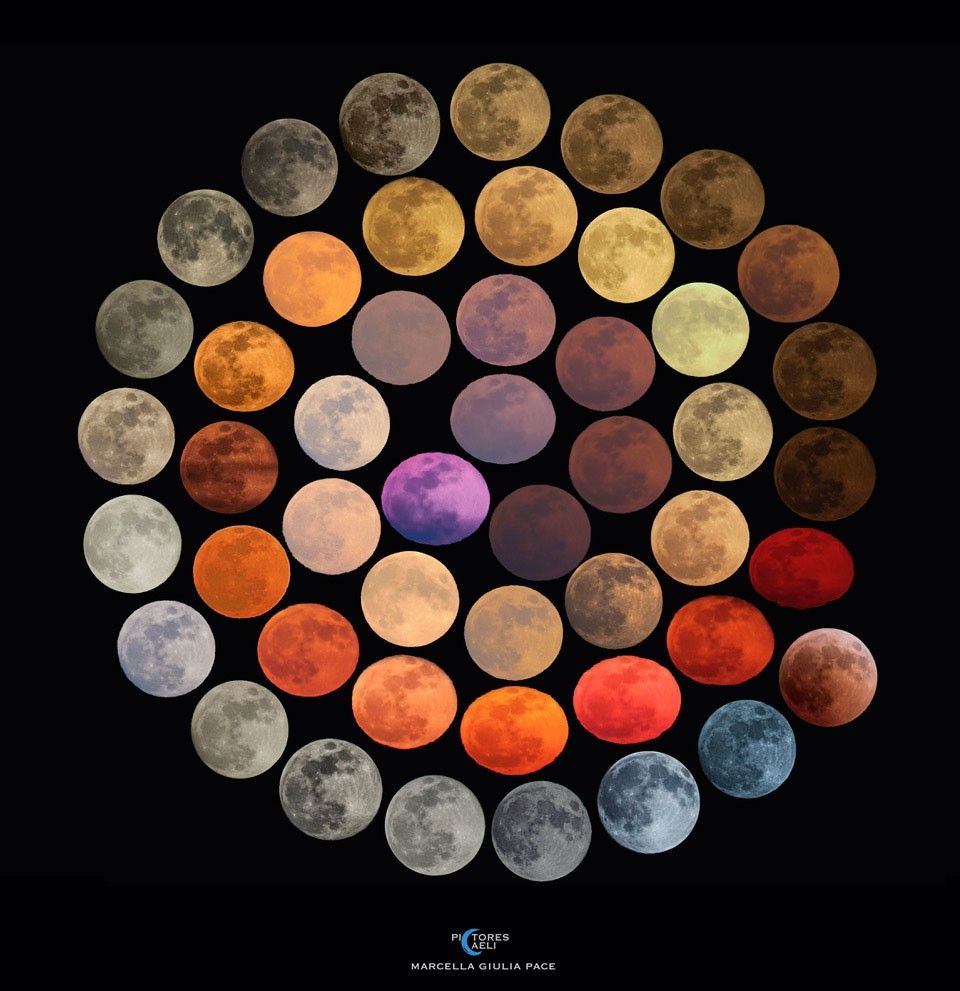
Mission Telemetry: Lunar Spectro-Analysis
According to NASA Breaking News, the Astronomy Picture of the Day (APOD) for 01 November 2026, titled "Colors of the Moon," serves as a high-fidelity reminder of the chemical complexity hidden beneath the lunar regolith. While the Moon appears monochromatic to the unaided human eye, advanced orbital imaging reveals a landscape defined by sharp mineralogical variations.
Geological Composition
Recent data highlights how false-color processing differentiates surface materials. Deep blue hues identify titanium-rich basaltic regions, while lighter, orange-toned sectors indicate areas low in titanium and iron. These colorimetric shifts are not merely aesthetic; they are indicators of the Moon's volcanic history and the impact of solar wind over eons. The ability to map these resources is foundational for the Artemis program and the proposed Moon Base infrastructure.
Broad-Spectrum Research Initiatives
NASA’s current operational focus extends beyond lunar imaging. Terminal logs indicate simultaneous progress in Martian geology, with a NASA-funded study currently analyzing one of the oldest known Mars meteorites. Parallel to this, the Perseverance rover continues to transmit data regarding Martian dust behavior, a critical metric for protecting future human crews.
Furthermore, NASA is currently exploring commercial servicing options for the Hubble Space Telescope. This transition toward private-sector maintenance models aligns with the agency's broader strategy of integrating commercial space capabilities—ranging from ISS logistics to deep-space instrumentation—into its core mission architecture.