NASA Critical Systems Under Strain as Workforce Shrinks 22 Percent
A Government Accountability Office report reveals that mass civil servant departures are putting 25 major NASA projects at risk of cost overruns and delays.
TERMINAL ACCESS GRANTED // ANALYSIS: NASA WORKFORCE DEGRADATION
A comprehensive audit by the Government Accountability Office (GAO) confirms that NASA’s operational integrity is facing significant friction. According to SpaceNews, the agency lost 22% of its civil servant workforce over the last year, primarily through deferred retirement programs. This exodus has left 25 out of 36 major projects reporting negative impacts.
CRITICAL PROJECT EXPOSURE
Data indicates the personnel shortage is unevenly distributed but strategically damaging:
Orion & SLS: The Orion program lost 10% of its specialized staff, while the Space Launch System (SLS) saw a near 20% reduction. Officials have classified workforce stability as a formal program risk.
DAVINCI: This Venus-bound science mission faced severe disruption, losing key personnel and forcing a revision of planned risk-reduction activities.
* Goddard Space Flight Center: The facility was hit hardest, losing 34% of its civil servants.
FINANCIAL AND SCHEDULE VECTORS
While current schedule slips remain minimal—limited to one-month delays for most—the GAO warns of latent risks. Net overruns have already reached $478.2 million, largely concentrated in the SLS Block 1B and Orion sectors. Systemic "skill gaps" have been identified in aerospace, mechanical, and computer engineering, alongside cybersecurity.
MITIGATION PROTOCOLS
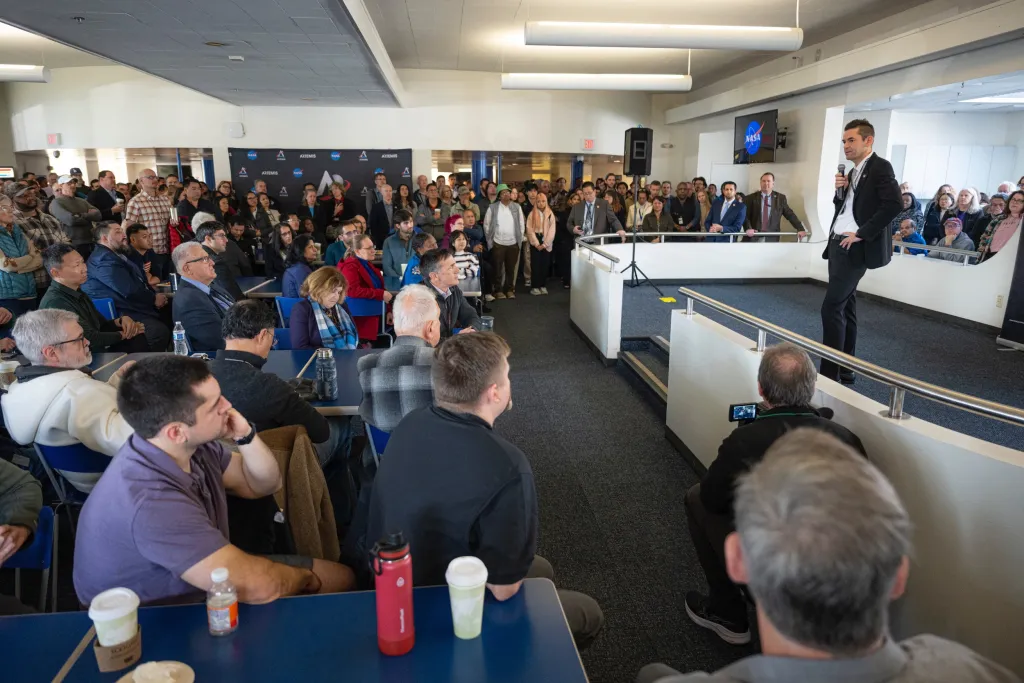
Administrator Jared Isaacman has initiated "NASA Force," a recruitment strategy aimed at converting contractors to civil servants and bringing in temporary technical talent via the Office of Personnel Management. However, the GAO warns that if the FY2027 budget cuts are enacted, NASA may face further involuntary workforce reductions, potentially stalling recovery efforts. The full impact of this talent drain is not expected to be realized until early 2026.