NASA CO-SCIENCE: THE DISTRIBUTED SENSOR NETWORK
NASA acknowledges the critical impact of citizen scientists in processing orbital data, from exoplanet identification to tracking Jovian atmospheric shifts.
DATA ACQUISITION: THE HUMAN VARIABLE
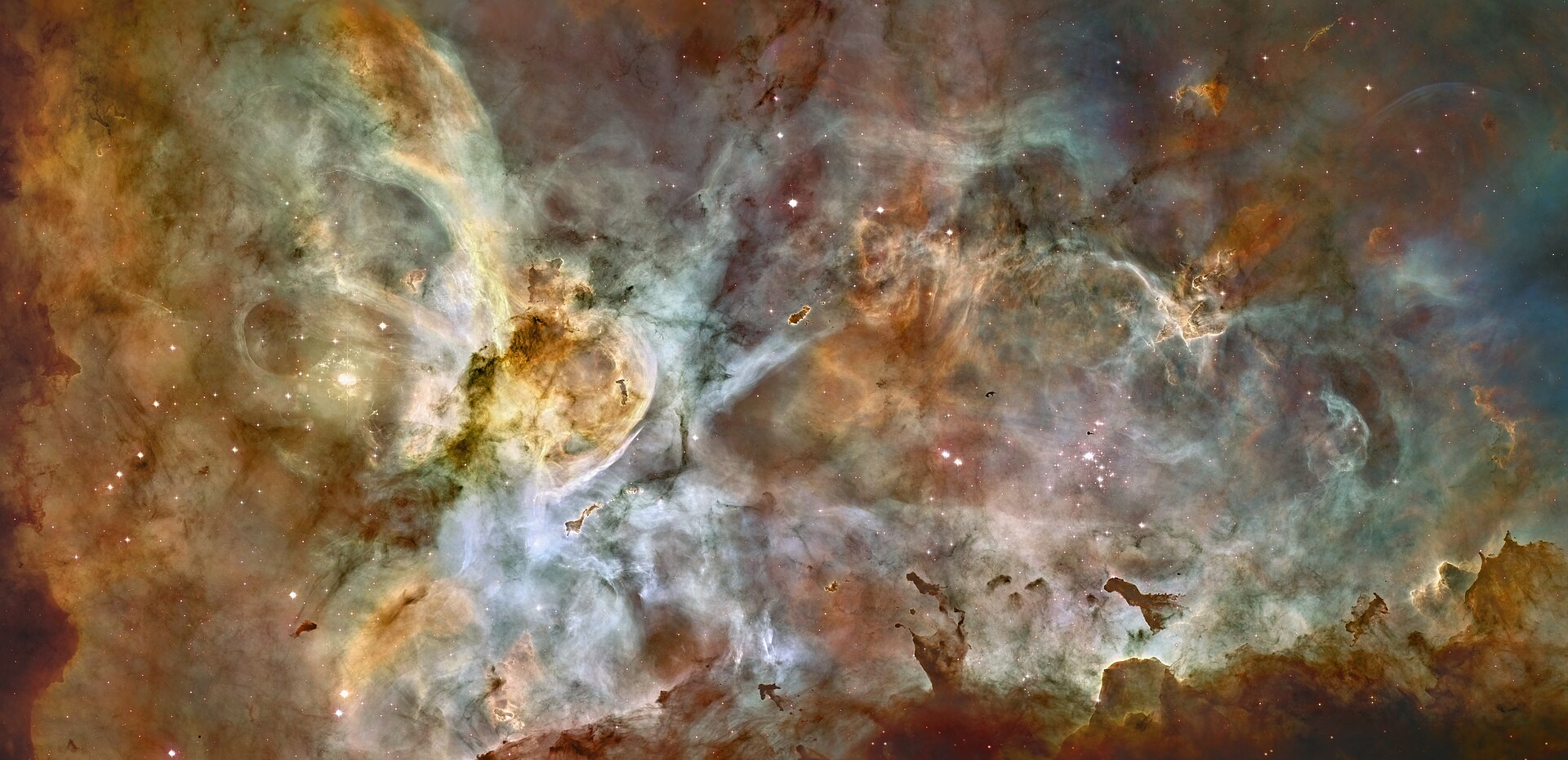
According to NASA Breaking News, the agency is officially recognizing the expanding role of public participants—designated as citizen scientists—in the execution of high-priority orbital objectives. This distributed intelligence network is currently engaged in the analysis of raw telemetry from deep-space assets including the James Webb Space Telescope (JWST) and the Nancy Grace Roman Space Telescope.
ACTIVE SECTORS
The initiative covers a broad spectrum of research modules:
- Exoplanetary Research: Identifying anomalies in light-curve data.
- Heliophysics: Monitoring solar wind and coronal mass ejections.
- Planetary Defense: Tracking Near-Earth Objects (NEOs) and asteroids within the Kuiper Belt and Oort Cloud.
- Atmospheric Analysis: Evaluating terrestrial climate change and the gas giant dynamics of Jupiter and Saturn.
LOGISTICS AND ACCESS
Participants utilize NASA-provided open-source data to contribute to peer-reviewed publications. Current focus areas include the Artemis lunar campaign and the ISS laboratory environments. These contributions extend beyond passive observation; volunteers are actively assisting in the calibration of the Quesst supersonic platform and the optimization of future Moon Base life-support systems.
By decentralizing the workload, NASA effectively increases the resolution of its scientific output. For those operating outside traditional institutional frameworks, this program represents the primary interface for direct contribution to the expansion of the human domain.