NASA ARMSTRONG DEPLOYS SUBSCALA FLEET TO ACCELERATE FLIGHT SYSTEMS
NASA’s Armstrong Flight Research Center is utilizing scaled-down aircraft to test high-risk aeronautics and autonomous systems before full-scale deployment.
Operational Report: Subscale Aircraft Platforms
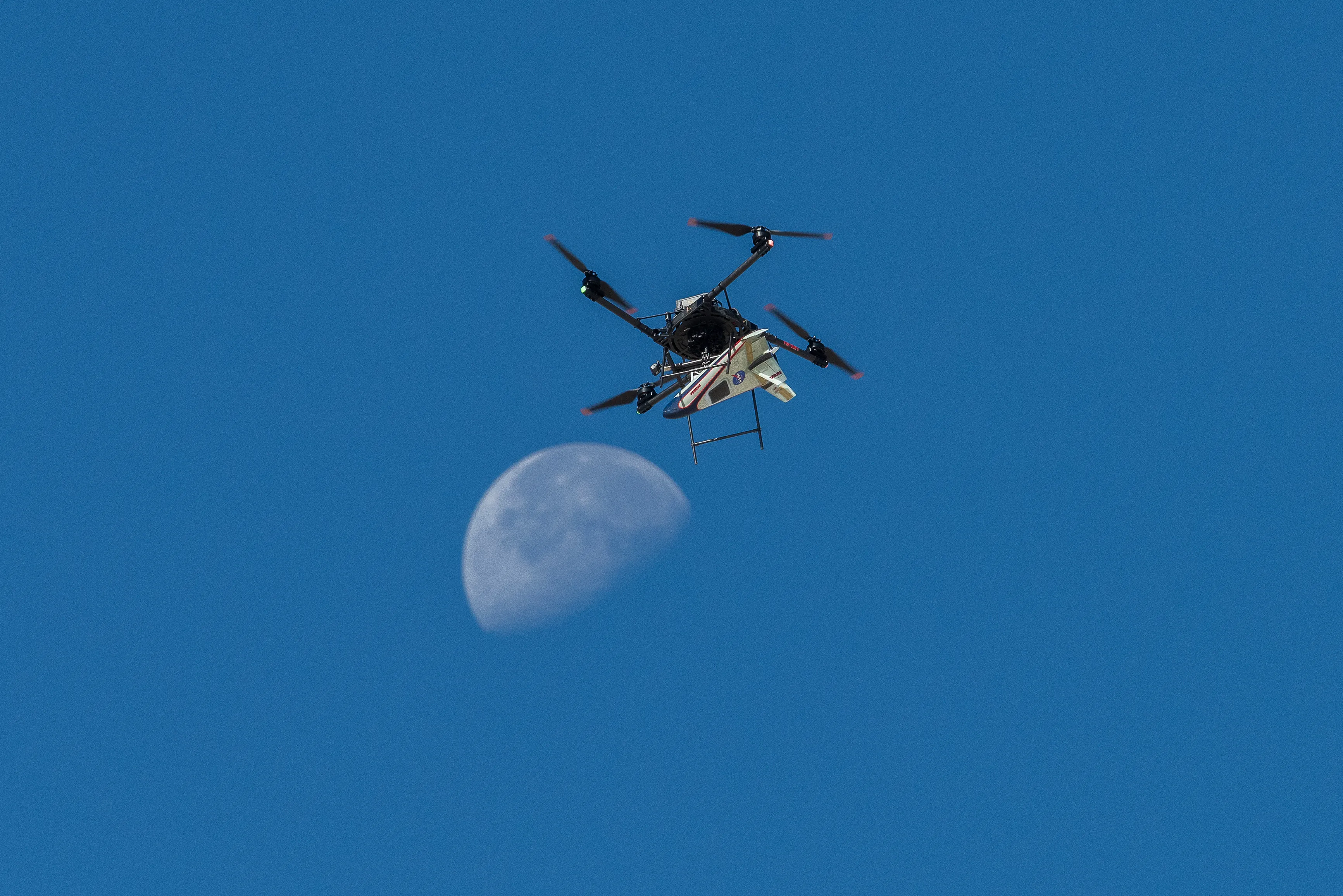
According to NASA Breaking News, engineers at the Armstrong Flight Research Center are leveraging subscale aircraft to bypass the logistical and financial bottlenecks of full-scale aeronautical testing. These subscale models—ranging from unmanned gliders to jet-powered drones—offer a high-fidelity environment for evaluating experimental flight dynamics and next-generation propulsion systems.
Strategic Utility
The primary advantage of the subscale fleet is the mitigation of risk. By deploying smaller, remotely piloted vehicles, NASA can push airframes to the edge of the flight envelope without endangering human pilots or multi-million-euro full-scale prototypes. This methodology is currently being applied to several critical development tracks, including sustainable aviation designs and advanced autonomous flight software.
Technical Implementation
The subscale vehicles are equipped with modular sensor suites that mirror the telemetry capabilities of their larger counterparts. This enables researchers to gather granular data on aerodynamic performance and structural integrity. Key projects involve testing 'blended wing-body' configurations and electric vertical take-off and landing (eVTOL) systems. By validating computational fluid dynamics (CFD) models in a real-world atmosphere, the agency accelerates the transition from conceptual design to operational certification.
NASA’s focus remains on 'fail fast, learn faster.' The rapid iteration cycle provided by these subscale assets ensures that only the most robust flight architectures proceed to the expensive full-scale development phase.