NASA and GE Aerospace Achieve Critical Hybrid-Electric Milestone
A joint effort between NASA and GE Aerospace has successfully integrated a megawatt-class hybrid-electric propulsion system, signaling a tectonic shift in aeronautical engineering.
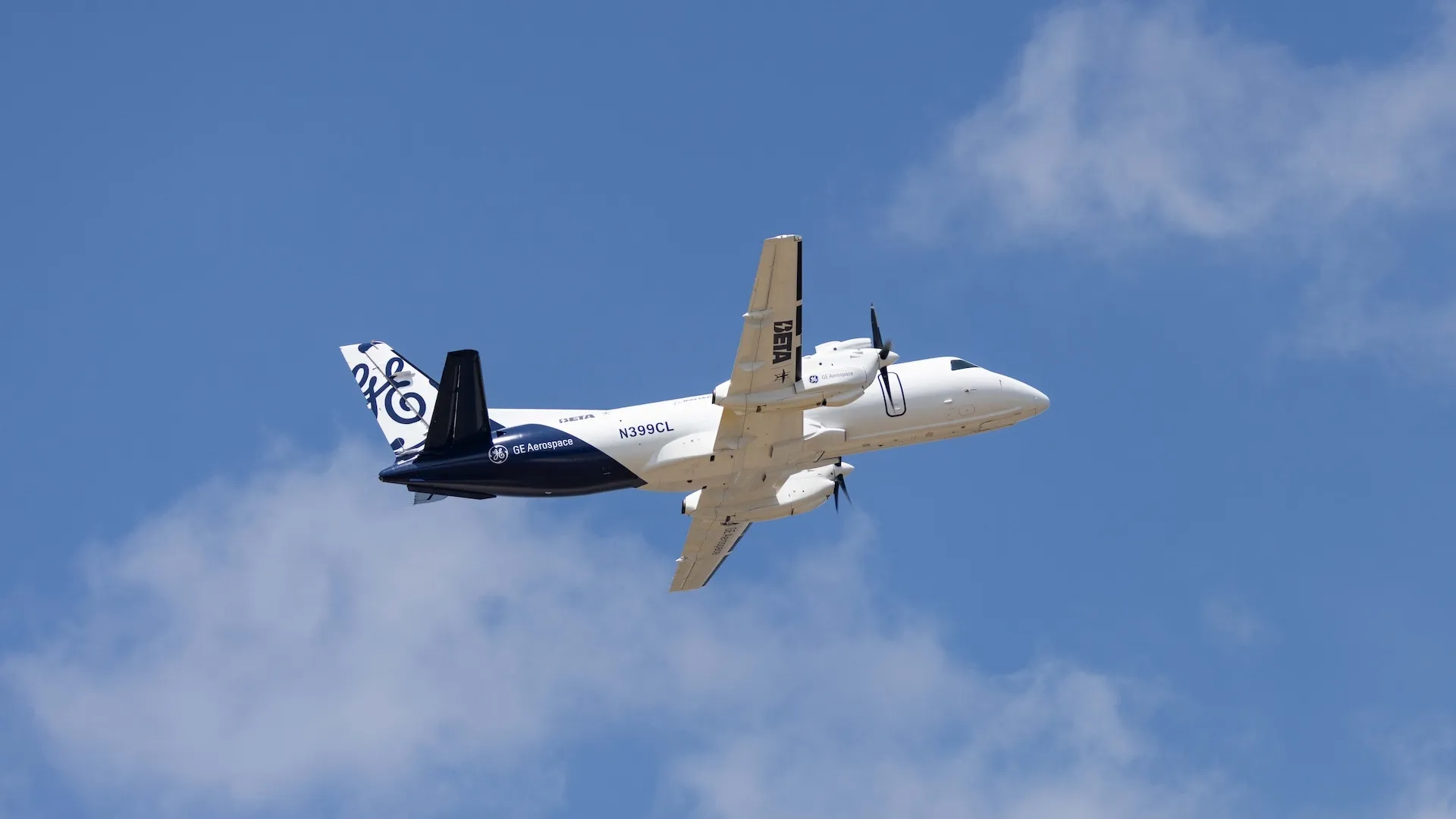
Operational Integration Complete
According to NASA Breaking News, a collaborative initiative between NASA and GE Aerospace has reached a pivotal stabilization point in the Electrified Powertrain Flight Demonstration (EPFD) project. Engineers have successfully conducted a baseline ground test of a megawatt-class hybrid-electric propulsion system, simulating flight conditions and cross-system power distribution.
Technical Parametrics
This milestone involves the synchronization of high-voltage components with existing gas turbine technologies. By offloading traditional thrust requirements to an electric motor during high-demand flight phases, the system aims to reduce carbon emissions and operational fuel consumption by double-digit percentages. NASA’s Glenn Research Center and GE Aerospace’s test facilities served as the proving grounds for this architectural validation.
Toward Full-Scale Flight
This achievement confirms the viability of power-dense motors and high-performance electronics within the rigorous constraints of commercial aviation. The EPFD project is now transitioning toward atmospheric trials. The objective is to demonstrate that hybrid systems can be safely integrated into narrow-body aircraft, which account for a significant portion of current global air traffic.
Strategic Trajectory
The partnership emphasizes a broader mandate to reach net-zero aviation emissions by 2050. Leveraging computational modeling and physical integration tests, the team has mitigated risks associated with high-altitude electromagnetic interference and thermal management. The data acquired from these ground runs provides the requisite telemetry for the upcoming flight demonstration phase.