NASA Allocates $1 Million for Student Lunar Habitat Innovation
NASA has launched a $1 million prize competition inviting student teams to engineer autonomous lunar base solutions, accelerating critical surface technology for the Artemis program.
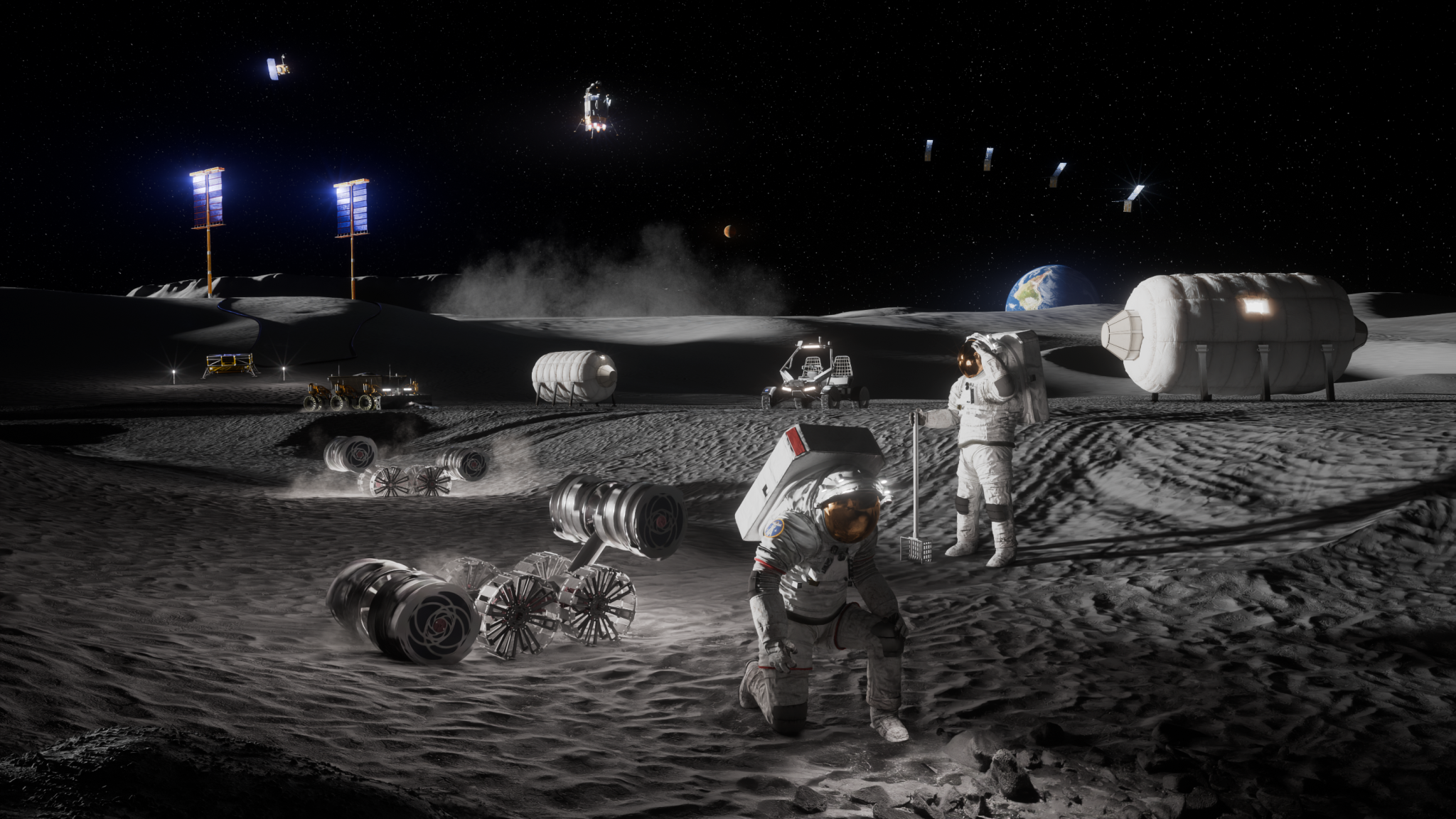
LUNAR INFRASTRUCTURE INITIATIVE
NASA is pivoting to the next generation of aerospace engineers to solve high-priority logistical hurdles on the lunar surface. According to NASA Breaking News, the agency has officially authorized a $1 million prize purse for a new student-led Moon Base Challenge. The initiative aims to catalyze the development of sustainable, autonomous systems required for long-term human occupancy.
TECHNICAL OBJECTIVES
As the Artemis program moves toward permanent presence at the lunar South Pole, current resource constraints demand innovative approaches to power generation, life support, and structural integrity. Participating teams are tasked with designing modular habitat components that can withstand the extreme thermal fluctuations and radiation levels of the lunar environment. The competition emphasizes autonomous deployment, reducing the reliance on direct human intervention during the initial phases of base construction.
LOGISTICS AND EXECUTION
The million-dollar fund will be distributed among top-tier proposals that demonstrate technical viability and scalability. NASA’s Space Technology Mission Directorate is overseeing the challenge, seeking to identify disruptive technologies that could be integrated into future flight manifests. By outsourcing these engineering hurdles to academic institutions, the agency intends to bridge the gap between theoretical lunar architecture and mission-ready hardware.
For the European sector, this development signals a continuing shift toward competitive, multi-stakeholder development in the cis-lunar economy. As international partners look toward the Lunar Gateway and beyond, the architectural standards established by these student designs may well dictate the future of off-world habitation.